Technical Guide · 2024-10-20 · 7 min read
Chip sealing is a vital pavement preservation technique, extending the life of asphalt surfaces and providing enhanced skid resistance. The effectiveness and efficiency of this process largely depend on the equipment used. Road engineers and procurement managers often face a critical decision: invest in a synchronous chip sealer or opt for the traditional approach of using separate distributor and aggregate spreader equipment? This article delves into a head-to-head comparison, examining key performance indicators, operational considerations, and real-world productivity differences to help you make an informed choice.
Understanding the Core Technologies
Before comparing, it's essential to understand how each system operates.
Synchronous Chip Sealer (One-Pass System)
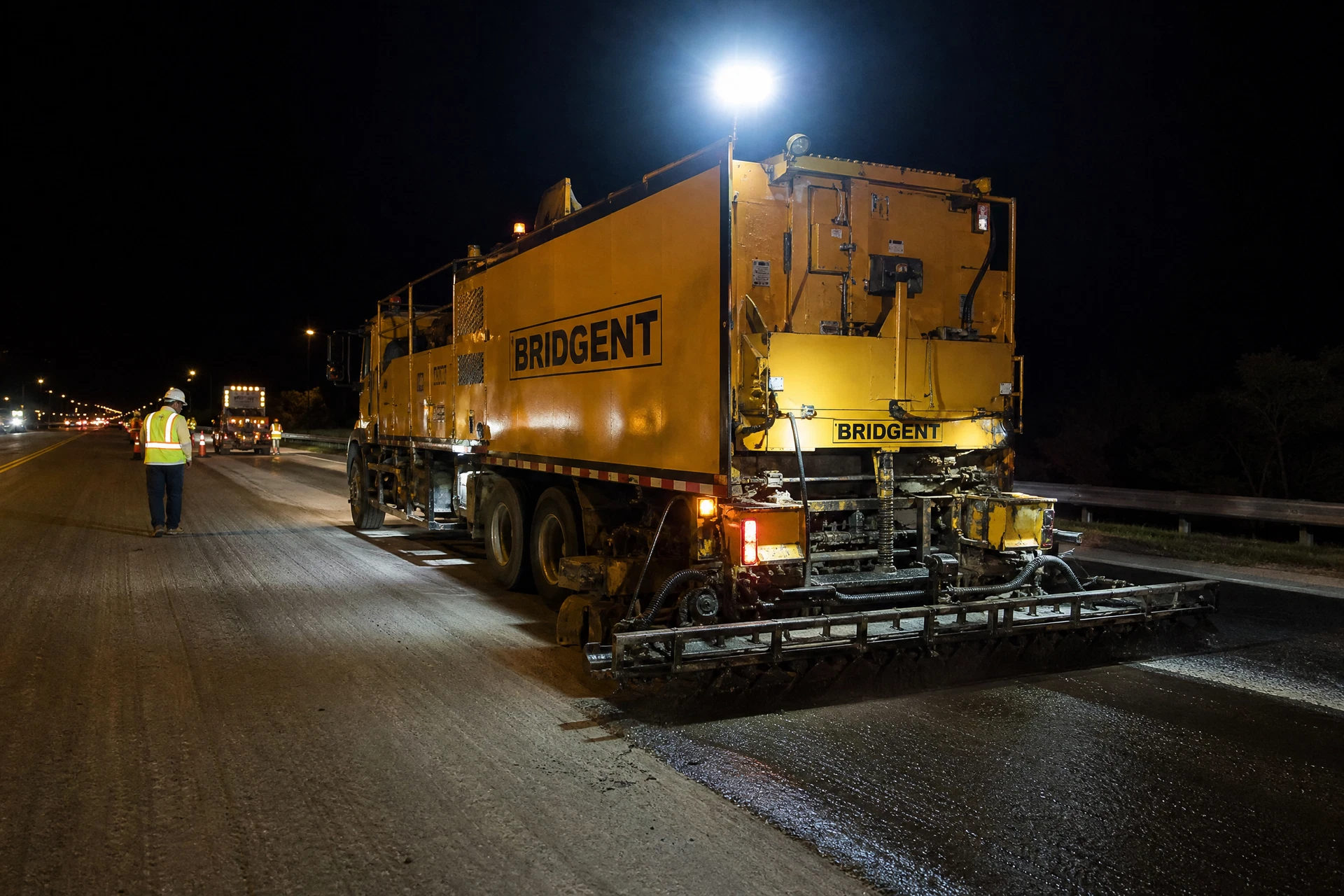
A synchronous chip sealer is an integrated machine designed to apply asphalt binder and aggregate almost simultaneously in a single pass. The binder is sprayed onto the pavement, immediately followed by the precise placement of aggregates, often within seconds. This rapid application minimizes the time the binder is exposed to air and traffic, which is critical for optimal adhesion.
Separate Distributor and Aggregate Spreader (Two-Pass System)
The traditional method involves two distinct pieces of equipment: an asphalt distributor truck and a separate aggregate spreader. The distributor first sprays the asphalt binder, and then, in a subsequent pass, the aggregate spreader follows to apply the chips. This sequence inherently introduces a time lag between binder application and aggregate placement.
Key Comparison Factors
Several critical factors differentiate these two approaches, impacting the quality, cost, and efficiency of chip sealing operations.
Bond Strength and Aggregate Embedment
Bond strength refers to the adhesion between the aggregate and the binder, a primary determinant of chip seal longevity. Aggregate embedment is the degree to which the aggregate particles are pressed into the binder layer.
With a synchronous chip sealer, the binder is still hot and fluid when the aggregates are applied. This allows for superior wetting and embedment of the aggregate into the binder, leading to a stronger, more durable bond. The minimal time delay (often less than 5 seconds) prevents the binder from cooling or oxidizing significantly before aggregate contact.
In contrast, the two-pass system, by its nature, introduces a longer delay. Even with efficient operations, this delay can range from 15 seconds to several minutes. During this time, the binder can cool, increasing its viscosity and reducing its ability to fully wet and embed the aggregates. This can result in weaker bonds and a higher risk of aggregate loss (ravelling) under traffic, particularly in adverse weather conditions.
Crew Requirements and Operational Efficiency
Crew requirements directly impact labor costs and project logistics.
A synchronous chip sealer typically requires a smaller crew. A single operator manages both binder and aggregate application, often with support from a few ground crew members for traffic control and minor adjustments. This streamlined operation reduces coordination complexities and potential communication errors.
The separate equipment setup demands a larger crew. It requires a driver for the distributor, a driver for the aggregate spreader, and often additional personnel to manage the flow of materials and ensure proper overlap and coverage. The coordination between two separate machines and their operators can be more challenging, potentially leading to inefficiencies or application inconsistencies if not managed meticulously.
Equipment Cost and Maintenance
Initial equipment cost is a significant consideration for any investment.
A synchronous chip sealer represents a higher initial capital investment compared to purchasing a standalone distributor and spreader. These integrated machines are complex, featuring advanced control systems for precise application rates and synchronized operations. For example, a high-quality synchronous chip sealer from a manufacturer like Bridgent Technology might have a price point significantly higher than the combined cost of two separate, basic units.
However, when evaluating total cost of ownership, other factors come into play. While the synchronous unit has a higher upfront cost, it often boasts lower fuel consumption per square meter due to fewer passes and optimized engine performance. Maintenance can be more specialized due to integrated systems, but reputable manufacturers provide comprehensive support and parts availability.
Separate equipment, while cheaper individually, incurs costs for operating two engines, two sets of maintenance schedules, and potentially higher fuel consumption for two vehicles. The simplicity of individual units might lead to easier, less specialized repairs, but the cumulative operational costs can add up.
Real-World Productivity Differences
Productivity is measured by the area covered per unit of time, and it's where the synchronous system often shines.
The one-pass nature of a synchronous chip sealer inherently leads to higher productivity. With a single machine performing both tasks, there's no need for precise spacing or timing between two separate vehicles. This allows for continuous operation, reducing downtime and maximizing daily coverage. For instance, a synchronous unit can often cover 10,000 to 15,000 square meters per hour under optimal conditions.
Conversely, the two-pass system, despite its potential for high individual machine speeds, is limited by the need for coordination. The aggregate spreader must wait for the distributor to apply the binder, and any delays in one machine affect the other. This stop-and-go nature, coupled with the need for careful alignment, can reduce overall daily output. A typical two-pass operation might achieve 7,000 to 10,000 square meters per hour, depending on crew experience and site conditions.
Environmental Impact
While not always the primary driver, the environmental footprint is an increasingly important consideration.
Synchronous chip sealers generally have a lower environmental impact per unit area. By using a single engine for two operations, they consume less fuel and produce fewer emissions compared to running two separate heavy vehicles. The efficiency in material usage, particularly the binder, also contributes to reduced waste.
Comparison Table: Synchronous vs. Separate Equipment
| Feature | Synchronous Chip Sealer | Separate Distributor & Spreader | | :----------------------- | :----------------------------------------------------- | :----------------------------------------------------- | | Application Method | One-pass, simultaneous binder & aggregate | Two-pass, sequential binder then aggregate | | Binder Exposure Time | Minimal (seconds) | Longer (15 seconds to minutes) | | Bond Strength | Superior, better aggregate embedment | Good, but susceptible to cooling/oxidation | | Crew Size | Smaller (e.g., 1 operator + ground crew) | Larger (e.g., 2 operators + ground crew) | | Initial Cost | Higher | Lower (for individual units) | | Operational Cost | Lower fuel per area, specialized maintenance | Higher fuel per area, simpler individual maintenance | | Productivity | Higher, continuous operation | Moderate, limited by coordination | | Material Efficiency | High, precise application | Good, but potential for minor overlap/gaps | | Quality Consistency | High, automated controls | Dependent on operator skill & coordination | | Flexibility | Less flexible for varied applications | More flexible, units can be used independently |
Actionable Advice for Procurement Managers
When deciding between a synchronous chip sealer and separate equipment, consider the following:
1. Project Scale and Frequency: For large-scale, frequent chip sealing projects, the higher productivity and lower operational costs of a synchronous unit will likely yield a better return on investment over time. For smaller, infrequent jobs, separate equipment might be more cost-effective initially. 2. Labor Availability and Cost: If skilled labor is scarce or expensive, the reduced crew requirements of a synchronous sealer can be a significant advantage. 3. Quality Standards: If achieving the highest possible bond strength and minimizing aggregate loss is paramount, the synchronous system offers a distinct advantage due to its immediate application. 4. Budget Constraints: A synchronous chip sealer requires a larger upfront capital outlay. Assess your budget and financing options carefully. Consider the long-term savings in labor and materials against the initial investment. 5. Equipment Utilization: If you have other uses for a standalone asphalt distributor or aggregate spreader (e.g., for tack coats or base course spreading), the separate equipment offers greater versatility. 6. Manufacturer Support: Regardless of the choice, ensure you select equipment from a reputable manufacturer like Bridgent that offers excellent after-sales support, spare parts, and training.
Key Takeaways
The choice between a synchronous chip sealer and separate equipment is not one-size-fits-all. While synchronous chip sealers offer superior bond strength, higher productivity, and reduced crew requirements, they come with a higher initial investment. Separate equipment provides greater flexibility and a lower entry cost but may lead to higher operational expenses and potentially lower application quality if not meticulously managed. Ultimately, the optimal setup depends on your specific project needs, budget, and long-term operational goals. Evaluating the synchronous chip sealer vs separate equipment debate through the lens of these factors will guide you to the most effective solution for your road maintenance program.
Discuss Your Project
Contact Bridgent for equipment specifications and a project-specific quotation.