Technical Guide · 2024-07-18 · 5 min read
Road Surface Friction Restoration: Micro-Surfacing, Diamond Grinding, and Groove Cutting Compared
Road surface friction is crucial for vehicle safety and performance, particularly in adverse weather. Over time, constant traffic and environmental exposure degrade this friction, increasing accident risks. This guide examines the causes of friction loss and compares micro-surfacing, diamond grinding, and groove cutting as restoration techniques for road engineers and procurement managers.
Why Road Friction Decreases Over Time
The degradation of road surface friction is a complex process influenced by several factors, primarily pavement polishing and bitumen bleeding.
Pavement Polishing
Pavement polishing results from repeated tire contact smoothing the aggregate particles in asphalt or concrete. This abrasive action, exacerbated by heavy traffic and braking, reduces grip and significantly diminishes skid resistance, especially in wet conditions, increasing skidding and hydroplaning risks [1]. Regular monitoring is crucial to detect this subtle yet dangerous phenomenon.
Bitumen Bleeding
Bitumen bleeding, or flushing, occurs when asphalt binder migrates to the surface, forming a smooth, low-friction film, particularly when wet. This is often due to excessive asphalt, low air voids, or hot weather. Other factors contributing to friction loss include debris, oil, rubber deposits, and environmental elements like ice and standing water.
Measuring Skid Resistance: Ensuring Road Safety
Accurate skid resistance measurement is crucial for identifying problematic road sections. Key metrics include:
* Sideway-Force Coefficient (SFC): A dynamic measurement using continuous friction measuring equipment (CFME) with a test wheel at a slip angle, providing a continuous assessment of friction along a road segment. * British Pendulum Number (BPN): A static measurement from a British Pendulum Tester, reflecting the pavement's microtexture and used for spot checks [2].
Other methods like the Locked Wheel Tester and Surface Texture Measurement (e.g., sand patch test) also correlate macrotexture with skid resistance. Consistent friction testing helps highway agencies identify low-friction zones and ensure safety compliance.
Advanced Techniques for Road Surface Friction Restoration
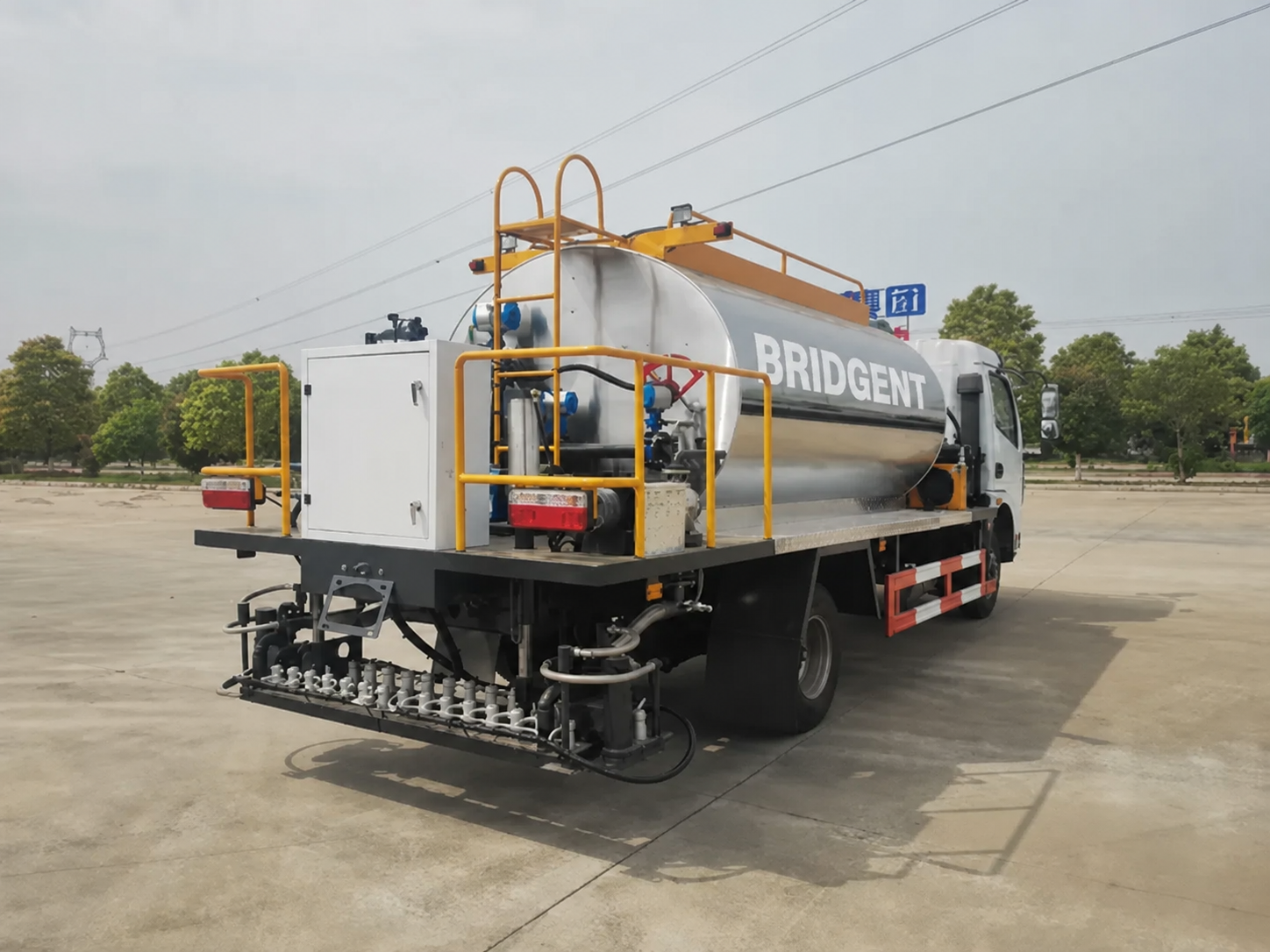
When road surface friction is insufficient, various restoration techniques are available, chosen based on pavement type, problem severity, budget, and traffic disruption tolerance. Bridgent Technology provides advanced equipment for these operations.
Micro-Surfacing
Micro-surfacing is a cold-mix application of polymer-modified asphalt emulsion, crushed aggregate, and additives, typically 10-15 mm thick. It improves surface friction, fills minor wheel ruts (up to 50mm), seals cracks, and protects asphalt [3].
* Advantages: Cost-effective (50% lower life-cycle costs than mill and fill), quick return to traffic (within an hour), and environmentally friendly [4]. Effective on both asphalt and concrete. * Disadvantages: Non-structural; best for early to moderate deterioration. * Cost per Lane-KM: $8,000 - $18,000 (North America) [5]. * Traffic Disruption: Minimal (1 hour).
Diamond Grinding
Diamond grinding uses closely-spaced diamond saw blades to remove a thin layer (3/16 to 1/4 inch) from hardened Portland cement concrete pavements. This creates a level surface with longitudinal texture, restoring ride quality, enhancing friction, removing faulting, correcting curling, and reducing noise [6].
* Advantages: Smooth ride, enhanced skid resistance, reduced hydroplaning, extended pavement life (8-17 years), and can be reapplied [7]. Cost-effective for targeted areas. * Disadvantages: Non-structural; primarily for concrete pavements. Faulting may recur if load transfer is deficient. * Cost per Lane-KM: Varies; an example for CPR with grinding was ~$77,640 per lane-kilometer [8]. * Traffic Disruption: Short lane closures, often during off-peak hours.
Groove Cutting
Groove cutting involves cutting narrow, shallow channels into the pavement surface, typically transverse or longitudinal. This technique effectively improves wet-weather skid resistance by allowing water to escape from beneath tires, reducing hydroplaning. It is common on concrete runways and highways with high speeds and wet conditions.
* Advantages: Significantly improves wet-weather friction and reduces hydroplaning, enhancing directional stability. * Disadvantages: Can increase road noise if not properly designed. May require more significant traffic management than micro-surfacing. * Cost per Lane-KM: Varies; generally cost-effective for targeted friction improvement. * Traffic Disruption: Requires lane closures; duration depends on project scope.
Comparative Analysis of Friction Restoration Methods
Choosing the optimal road surface friction restoration method requires careful evaluation. The table below provides a comparative overview:
| Feature | Micro-Surfacing | Diamond Grinding | Groove Cutting | | :------------------ | :----------------------------------------------- | :----------------------------------------------- | :----------------------------------------------- | | Pavement Type | Asphalt, PCC | PCC (primarily) | PCC, Asphalt (less common) | | Primary Benefit | Friction, rut filling, sealing, preservation | Ride quality, friction, fault removal, noise reduction | Wet-weather friction, hydroplaning reduction | | Thickness Removed | 10-15 mm (applied layer) | 3/16 to 1/4 inch (removed) | Shallow channels (e.g., 3-6 mm deep) | | Structural Impact | Non-structural | Non-structural (improves ride, not base) | Non-structural | | Lifespan Extension | 7-10 years (preventative) | 8-17 years | Varies, often integrated with other treatments | | Cost per Lane-KM | $8,000 - $18,000 (North America) | ~$77,640 (for CPR with grinding, example) | Varies, generally cost-effective for targeted improvement | | Traffic Disruption | Minimal (1 hour return to traffic) | Short lane closures, off-peak hours | Lane closures | | Key Equipment | Continuous flow mixers, spreader boxes | Diamond saw blades, grinding machines | Specialized grooving machines |
Bridgent Technology offers state-of-the-art equipment for all these methods, ensuring precision and durability. Their solutions meet modern infrastructure demands, contributing to safer road networks.
Choosing the Right Restoration Method
Selecting the appropriate technique involves a comprehensive pavement management plan:
* Pavement Condition: Micro-surfacing suits minor to moderate distresses. Diamond grinding is effective for concrete with faulting, polishing, or ride quality issues. Groove cutting is ideal for hydroplaning-prone areas or enhanced wet-weather grip. * Budget and Lifespan: Micro-surfacing offers low initial cost and good preventative lifespan. Diamond grinding, while potentially higher in initial cost, provides significant lifespan extension and comprehensive concrete surface improvements. Groove cutting is a targeted, cost-effective solution. * Traffic Volume and Disruption: Micro-surfacing has minimal disruption due to rapid curing. Diamond grinding and groove cutting require lane closures but can be scheduled off-peak. * Environmental Considerations: Micro-surfacing offers environmental benefits with reduced energy and emissions.
Consulting with experienced professionals and equipment providers like Bridgent is crucial for effective and sustainable solutions. Bridgent's expertise ensures tailored advice and high-performance machinery.
Key Takeaways
Maintaining adequate road surface friction is vital for public safety and operational efficiency. Friction degrades over time due to factors like pavement polishing and bitumen bleeding. Techniques such as micro-surfacing, diamond grinding, and groove cutting offer effective solutions for restoration. Micro-surfacing is a cost-effective, low-disruption option for preventative maintenance and minor surface issues. Diamond grinding excels in restoring ride quality and friction on concrete pavements, offering long-term benefits. Groove cutting provides targeted improvements for wet-weather skid resistance. The selection of the appropriate method should be based on a thorough assessment of pavement condition, budget, traffic impact, and environmental considerations, often in consultation with specialized equipment manufacturers like Bridgent Technology.
Discuss Your Project
Contact Bridgent for equipment specifications and a project-specific quotation.