Regional Guide · 2024-08-05 · 6 min read
Understanding West Africa's Road Infrastructure Landscape
West Africa's economic growth is intrinsically linked to its road infrastructure. Countries like Nigeria, Ghana, Côte d'Ivoire, and Senegal are investing heavily in expanding and maintaining their road networks to facilitate trade, improve connectivity, and support regional integration. However, these efforts face significant challenges, including diverse climatic conditions, varying soil types, and the need for robust, reliable equipment capable of withstanding demanding operational environments.
The region experiences distinct wet and dry seasons, with heavy rainfall in many areas leading to rapid deterioration of unpaved roads and accelerated wear on paved surfaces. This necessitates road maintenance equipment that is not only durable but also adaptable to quick deployment and efficient operation under challenging conditions. Understanding these local nuances is crucial for any entity involved in road construction and maintenance in West Africa.
ECOWAS Standards and Import Regulations
The Economic Community of West African States (ECOWAS) plays a pivotal role in harmonizing trade and technical standards across its 15 member states. For road maintenance equipment, adherence to ECOWAS standards is becoming increasingly important, particularly for cross-border projects and regional procurement initiatives. These standards often align with international benchmarks, focusing on safety, environmental impact, and performance specifications.
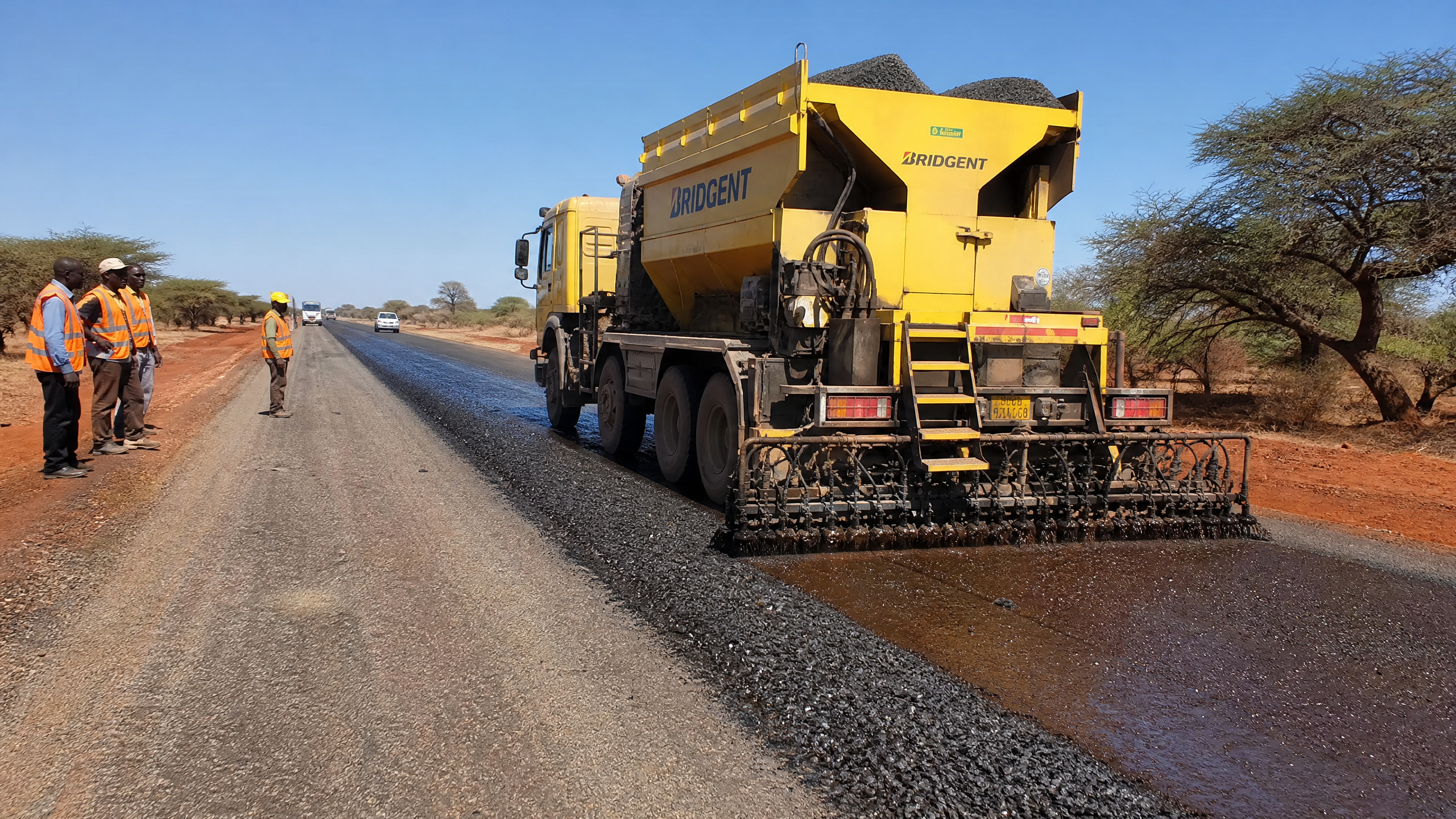
Importers of road maintenance equipment into West Africa must navigate a complex web of regulations, including tariffs, customs procedures, and specific import requirements that can vary from country to country, even within the ECOWAS framework. For instance, while a general ECOWAS certificate of origin might streamline some processes, individual nations like Nigeria or Ghana may have additional pre-shipment inspection requirements or specific certifications for certain machinery types. Companies like Bridgent Technology, with extensive experience in international logistics, often assist clients in navigating these regulatory landscapes, ensuring smooth delivery and compliance.
Local Conditions: Nigeria, Ghana, Côte d'Ivoire, and Senegal
Each of the key West African nations presents unique challenges and opportunities for road maintenance.
Nigeria: Scale and Diversity
As Africa's most populous nation, Nigeria possesses an extensive road network, much of which requires significant rehabilitation and maintenance. The sheer scale demands high-capacity equipment, from asphalt plants and pavers for major highways to graders and compactors for rural roads. The diverse geological conditions, ranging from the sandy soils of the north to the swampy delta regions, necessitate versatile machinery. Equipment with robust filtration systems and heavy-duty chassis is particularly valued here.
Ghana: Rapid Development and Urbanization
Ghana's road infrastructure has seen substantial improvements, especially around Accra and Kumasi. The focus is often on urban road networks and inter-regional highways. This creates a demand for efficient, maneuverable equipment suitable for urban environments, such as smaller asphalt pavers, road marking machines, and specialized pothole repair units. The emphasis on quality and longevity is high, given the increasing traffic volumes.
Côte d'Ivoire: Economic Hub and Connectivity
Côte d'Ivoire, a major economic player in the region, is continuously upgrading its road network to support its agricultural and industrial sectors. The port cities of Abidjan and San Pedro are critical nodes, requiring well-maintained access roads. The climate, characterized by high humidity and heavy rainfall, means equipment must be resistant to corrosion and capable of operating effectively in wet conditions. Precision in asphalt laying and compaction is paramount for durability.
Senegal: Coastal Challenges and Regional Links
Senegal's road network, particularly along its coast and connecting to neighboring countries, faces challenges from sandy terrains and coastal erosion. Equipment for soil stabilization, such as soil compactors and recyclers, is highly sought after. The government's focus on regional integration projects also means a demand for reliable machinery that can support long-term infrastructure development.
World Bank and AfDB Project Procurement Requirements
International financial institutions like the World Bank and the African Development Bank (AfDB) are major funders of road infrastructure projects in West Africa. Their procurement guidelines are stringent, emphasizing transparency, competitiveness, and value for money. Key requirements often include:
* Technical Specifications: Detailed performance criteria, adherence to international standards (e.g., ASTM, ISO), and proven track record. * Environmental and Social Safeguards: Compliance with environmental impact assessments and social responsibility guidelines. * After-Sales Support: Availability of spare parts, technical training, and maintenance services. * Financial Capacity: Bidders must demonstrate financial stability and capacity to execute large contracts.
Chinese manufacturers, including Bridgent, have successfully adapted to these requirements, offering competitive pricing combined with increasingly sophisticated technology and comprehensive support packages. This positions them favorably against traditional European suppliers.
Positioning Chinese Equipment Against European Competitors
Historically, European manufacturers have dominated the high-end road maintenance equipment market in West Africa, known for their robust engineering and established brand reputation. However, Chinese manufacturers have made significant inroads by offering a compelling value proposition:
| Feature | Chinese Equipment (e.g., Bridgent) | European Equipment | | :------------------ | :------------------------------------------------------------------ | :------------------------------------------------------------ | | Cost-Effectiveness | Generally lower upfront cost, competitive spare parts pricing | Higher upfront investment, potentially higher maintenance costs | | Technology | Rapidly advancing, incorporating modern features and efficiency | Established, proven technology, often setting industry benchmarks | | Durability | Increasingly robust, designed for demanding conditions | High, long-standing reputation for reliability and longevity | | Adaptability | Often designed with emerging market conditions in mind, versatile | Optimized for specific, often more controlled, operating environments | | After-Sales | Growing network of service centers, training, and parts availability | Extensive, well-established global service networks |
Chinese manufacturers, such as Bridgent Technology, are increasingly focusing on enhancing their after-sales service networks and providing localized technical support and training. This commitment to comprehensive customer service, combined with competitive pricing and improving quality, makes them a strong contender for projects funded by international bodies and local governments alike. The key is to highlight the total cost of ownership (TCO) benefits, including initial purchase price, fuel efficiency, maintenance costs, and parts availability.
Key Takeaways
Procuring road maintenance equipment for West Africa demands a nuanced approach, considering regional standards, specific national conditions, and the rigorous requirements of international funding agencies. While European brands have a strong legacy, Chinese manufacturers like Bridgent Technology offer increasingly competitive and high-quality solutions. Success lies in selecting equipment that balances initial investment with long-term operational efficiency, durability, and robust after-sales support tailored to the unique demands of the West African environment.
Discuss Your Project
Contact Bridgent for equipment specifications and a project-specific quotation.