Maintenance Guide · 2024-05-28 · 6 min read
The Critical Role of Spare Parts in Road Maintenance Equipment
Reliable road maintenance is paramount for economic stability and public safety. The efficiency of this critical infrastructure depends heavily on the operational readiness of specialized equipment, such as asphalt pavers, road rollers, and chip spreaders. However, even the most robust machinery is susceptible to wear and tear, making the availability of road maintenance equipment spare parts China a crucial factor in minimizing downtime and ensuring project continuity. For international procurement managers and road engineers, understanding the nuances of sourcing these parts, especially from Chinese manufacturers, is essential for maintaining a resilient supply chain.
Identifying Critical Spare Parts to Stock
Proactive stocking of critical spare parts is a cornerstone of effective maintenance planning. Neglecting this can lead to extended downtimes, project delays, and significant financial losses. While the specific parts vary by equipment type and operational intensity, several categories consistently emerge as high-priority items:
* Pump Seals and Gaskets: Essential for hydraulic systems, asphalt pumps, and emulsion sprayers. Failure here can lead to leaks, pressure loss, and complete system shutdown. Given the corrosive nature of some road materials, these components require regular inspection and replacement. * Nozzles and Spray Bar Components: Crucial for asphalt distributors and chip spreaders. Worn or clogged nozzles lead to uneven application, compromising the quality of the road surface. Maintaining a stock of various nozzle sizes and spray bar sections ensures precise material distribution. * Heating Elements and Thermocouples: Vital for asphalt heating systems in distributors and storage tanks. These components ensure asphalt is kept at the correct temperature for optimal application. A faulty heating element can render an entire machine inoperable. * Filters (Fuel, Oil, Air, Hydraulic): Regular replacement of filters is fundamental for engine longevity and hydraulic system performance. Contaminated fluids or air can cause rapid wear of internal components, leading to costly repairs. * Wear Plates and Cutting Edges: Common in asphalt pavers and graders. These parts are designed to be sacrificial and protect more expensive components. Their timely replacement maintains operational efficiency and product quality. * Electrical Sensors and Switches: Modern road equipment relies heavily on electronic controls. Stocking common sensors (e.g., temperature, pressure, proximity) and switches can prevent diagnostic delays.
Sourcing Road Maintenance Equipment Spare Parts from Chinese Manufacturers
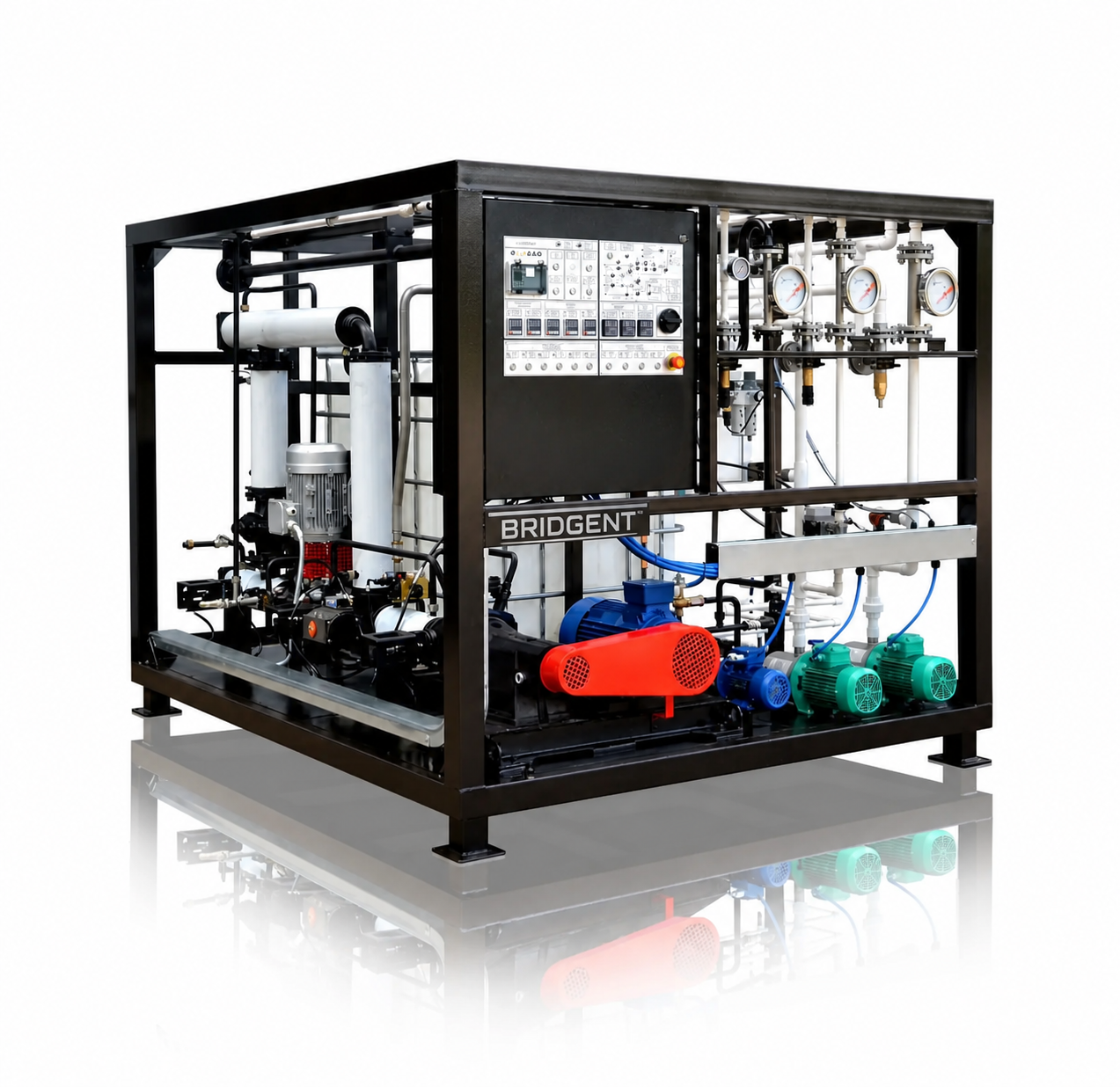
China has emerged as a global hub for manufacturing road maintenance equipment and its associated spare parts. Companies like Bridgent Technology have established robust supply chains, offering a wide range of components. Sourcing from Chinese manufacturers can offer competitive pricing and a broad selection, but it requires a strategic approach.
Evaluating Manufacturers and Suppliers
When selecting a Chinese supplier for road maintenance equipment spare parts China, consider the following:
* Quality Certifications: Look for ISO 9001, CE, or other relevant international quality standards. This indicates a commitment to consistent manufacturing processes. * Product Compatibility: Ensure the parts are specifically designed for your equipment models. Request detailed specifications, drawings, and material certifications. * After-Sales Support: A reputable manufacturer, such as Bridgent, will offer comprehensive after-sales support, including technical assistance, warranty policies, and efficient spare parts ordering systems. * Reputation and References: Seek out testimonials, case studies, and independent reviews. If possible, visit their facilities or speak with existing international clients.
Understanding Lead Times and Logistics
Lead times for international sourcing, particularly from China, can significantly impact your maintenance schedule. It's not just about manufacturing time but also shipping, customs clearance, and local delivery.
* Manufacturing Lead Time: Can range from a few days for common parts to several weeks for specialized or custom-fabricated components. Always confirm this upfront. * Shipping Methods: * Air Freight: Faster (3-7 days), but more expensive. Ideal for urgent, critical parts. * Sea Freight: Slower (20-45 days), but cost-effective for bulk orders and non-urgent items. This is often the default for larger shipments. * Customs and Import Regulations: Be aware of import duties, taxes, and required documentation in your country. Delays here are common if paperwork is incomplete. * Logistics Partners: Work with experienced freight forwarders who have a strong presence in both China and your region. They can streamline the process and provide tracking.
Local Stocking Strategies for Enhanced Reliability
While sourcing from China is cost-effective, relying solely on international shipments for every part is risky. Implementing local stocking strategies can significantly enhance supply chain reliability.
Centralized vs. Decentralized Stocking
* Centralized Stocking: A single, large warehouse serving multiple project sites. Offers economies of scale in purchasing and inventory management. However, it can lead to longer delivery times to remote sites. * Decentralized Stocking: Smaller warehouses or depots located closer to operational sites. Reduces delivery times and improves responsiveness but increases overall inventory holding costs and management complexity.
Inventory Management Best Practices
* Demand Forecasting: Utilize historical data, equipment usage rates, and planned project schedules to accurately forecast demand for spare parts. * Safety Stock: Maintain a buffer of critical parts to mitigate unexpected demand spikes or supply chain disruptions. The level of safety stock should consider lead times and criticality. * Vendor-Managed Inventory (VMI): Explore VMI agreements with key suppliers, where they manage inventory levels at your facility. This can reduce your carrying costs and improve availability. * Digital Inventory Systems: Implement robust inventory management software to track stock levels, reorder points, and usage patterns. This provides real-time visibility and automates reordering processes.
Evaluating Manufacturer After-Sales Support
The true value of a manufacturer extends beyond the initial purchase of equipment and parts. Exceptional after-sales support is a testament to their commitment to customer success and long-term partnership. Bridgent Technology, for instance, prides itself on its comprehensive support network.
Key Aspects of After-Sales Support
* Technical Documentation: Availability of detailed manuals, parts catalogs, and troubleshooting guides in multiple languages. * Technical Training: Offering training programs for your maintenance staff on equipment operation, diagnostics, and repair. * Dedicated Support Channels: Easy access to technical experts via phone, email, or online portals. Response times are critical. * Warranty and Returns Policy: Clear, transparent policies for defective parts, returns, and warranty claims. * Software Updates and Diagnostics: For electronically controlled equipment, access to software updates and remote diagnostic capabilities is invaluable.
Key Takeaways
Ensuring a reliable supply chain for road maintenance equipment spare parts China is a multifaceted challenge that requires careful planning, strategic sourcing, and robust inventory management. By identifying critical parts, thoroughly vetting Chinese manufacturers like Bridgent Technology, understanding logistics, and implementing effective local stocking strategies, organizations can significantly reduce downtime and extend the operational life of their valuable road maintenance assets. Strong after-sales support from manufacturers further solidifies this reliability, contributing to sustained operational efficiency and project success.
Discuss Your Project
Contact Bridgent for equipment specifications and a project-specific quotation.