Regional Guide · 2024-08-12 · 6 min read
Navigating the Challenges of Road Maintenance in Russia and Central Asia
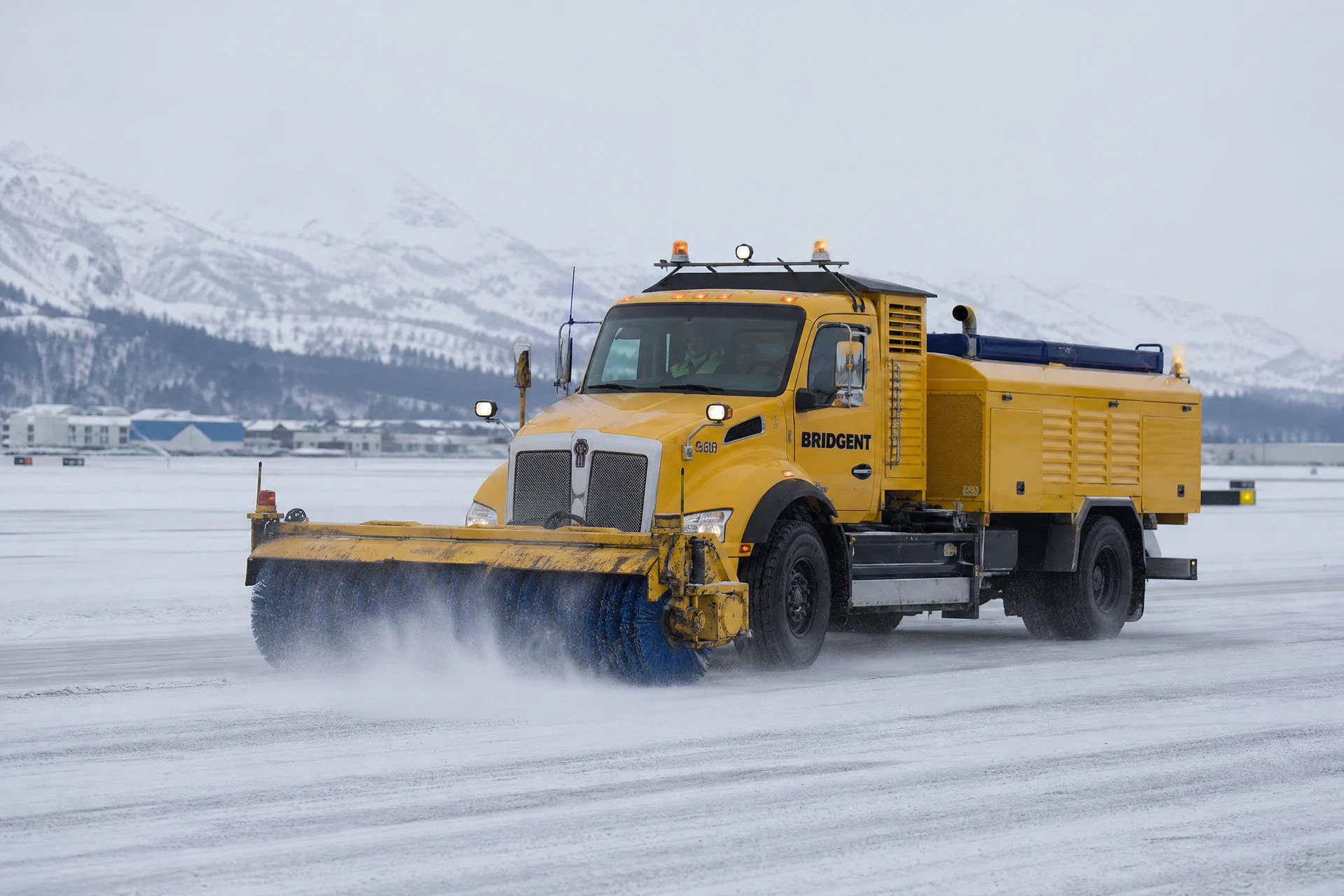
The vast and diverse landscapes of Russia and Central Asia present some of the most formidable challenges for road maintenance globally. Extreme temperature fluctuations, prolonged winters, and expansive territories demand not just robust equipment, but highly specialized machinery designed to withstand and operate efficiently in cold climates. For manufacturers looking to enter or expand within this critical market, understanding these unique requirements and navigating the regulatory landscape is paramount.
This guide delves into the specific technical considerations for road maintenance equipment in cold environments, the essential GOST certification, and effective market entry strategies for key countries like Kazakhstan, Uzbekistan, and Russia. We will also examine the competitive position of Chinese equipment, offering a comprehensive overview for international road engineers, procurement managers, and government agencies.
Essential Cold Climate Requirements for Road Maintenance Equipment
Operating road maintenance equipment in sub-zero temperatures requires significant modifications and specialized features to ensure reliability, performance, and longevity. Standard machinery often fails to cope with the stresses imposed by extreme cold, leading to breakdowns, reduced efficiency, and increased operational costs. Key considerations include:
Engine Block Heaters and Cold Start Systems
One of the most critical components for cold-weather operation is the engine. Diesel engines, common in heavy machinery, struggle to start in freezing conditions. Engine block heaters are indispensable, pre-warming the engine coolant and oil to reduce viscosity and facilitate easier starting. These are often electric, requiring an external power source, or can be fuel-fired for remote operations. Complementary systems include fuel line heaters, battery warmers, and glow plugs, all designed to ensure reliable ignition even at temperatures as low as -40°C. For instance, a 2000W block heater can significantly reduce engine wear and fuel consumption during cold starts.
Insulated Tanks and Heating Systems
Materials like asphalt emulsion, bitumen, and de-icing agents must be kept at specific temperatures to maintain their fluidity and effectiveness. Insulated tanks are crucial for sprayers, asphalt distributors, and de-icing trucks. These tanks are typically double-walled with high-density insulation materials to minimize heat loss. Furthermore, integrated heating systems, often using diesel burners or exhaust heat recovery, are necessary to maintain optimal temperatures during transport and application. For example, a bitumen sprayer might require its tank to maintain 160-180°C, necessitating robust insulation and a powerful heating coil system.
Cold-Weather Hydraulics and Lubricants
The hydraulic system is the workhorse of most road maintenance equipment, powering everything from plows to sweepers. In cold weather, standard hydraulic fluids can become thick and sluggish, leading to poor performance, increased pump strain, and seal failures. Cold-weather hydraulic fluids with lower pour points and higher viscosity indices are essential. These fluids maintain optimal viscosity across a wider temperature range. Additionally, all hydraulic hoses and seals must be made from materials resistant to cracking and embrittlement in extreme cold. Similarly, specialized lubricants for gearboxes, bearings, and other moving parts are vital to prevent premature wear and ensure smooth operation. Bridgent Technology, for example, often specifies synthetic hydraulic oils with pour points below -50°C for its equipment destined for these regions.
GOST Certification: A Gateway to the Market
For any road maintenance equipment manufacturer eyeing the markets of Russia, Kazakhstan, and other Eurasian Economic Union (EAEU) member states, GOST certification is a mandatory requirement. GOST (Gosudarstvennyy Standart) refers to a set of technical standards maintained by the Euro-Asian Council for Standardization, Metrology and Certification (EASC). This certification ensures that products meet specific safety, quality, and environmental standards applicable within the EAEU.
There are several types of GOST certification, but for machinery, the most common are:
* TR CU (Technical Regulations of the Customs Union) Certificates: These are the primary documents required for most industrial equipment, including road maintenance machinery. They confirm compliance with the EAEU’s technical regulations, covering aspects like machinery safety (TR CU 010/2011) and electromagnetic compatibility (TR CU 020/2011). * GOST R Certificates: While TR CU has largely replaced GOST R for mandatory certification, some products or specific aspects might still require voluntary GOST R certification to demonstrate additional quality or performance.
Obtaining GOST certification is a complex process involving product testing, factory audits, and documentation review. It can take several months and requires working with accredited certification bodies. Failure to obtain proper certification can result in significant delays, fines, and even product seizure, making it a critical step in market entry.
Strategic Market Entry for Kazakhstan, Uzbekistan, and Russia
Each country within the region presents unique opportunities and challenges. A tailored market entry strategy is crucial for success.
Russia
As the largest market, Russia offers substantial demand for road maintenance equipment, driven by extensive road networks and ongoing infrastructure projects. However, it also presents regulatory complexities and a competitive landscape. Key strategies include:
* Local Partnerships: Collaborating with established Russian distributors or manufacturing partners can provide invaluable insights into local market dynamics, streamline logistics, and simplify the certification process. * After-Sales Service: A robust network for spare parts and technical support is critical. Russian buyers prioritize reliability and quick service due to the harsh operating conditions and remote locations. * Financing Solutions: Offering flexible financing options can be a significant competitive advantage, especially for large-scale government procurement.
Kazakhstan
Kazakhstan is a rapidly developing Central Asian economy with significant investments in its road infrastructure, particularly along transit corridors. Its strategic location makes it a gateway to other Central Asian markets. Entry strategies should focus on:
* Government Tenders: Actively participating in government tenders for road construction and maintenance projects is a primary route to market. * Demonstration and Training: Showcasing equipment capabilities through demonstrations and providing comprehensive operator training can build trust and demonstrate value. * Regional Hub: Establishing a regional sales and service hub in Kazakhstan can serve as a base for expansion into neighboring countries.
Uzbekistan
Uzbekistan is undergoing significant economic reforms and modernization, including substantial investments in its road network. The market is opening up, offering new opportunities for foreign manufacturers. Considerations include:
* Direct Engagement: Building direct relationships with government agencies and major construction companies can be effective in this evolving market. * Competitive Pricing: While quality is important, competitive pricing can be a strong differentiator in a market that is still developing its procurement standards. * Adaptation to Local Needs: Understanding specific local road types and maintenance practices can help tailor equipment offerings for maximum impact.
Chinese Equipment: Competitive Position and Market Impact
Chinese manufacturers have emerged as significant players in the global road maintenance equipment market, including Russia and Central Asia. Their competitive position is primarily driven by:
* Cost-Effectiveness: Chinese equipment often offers a more attractive price point compared to Western counterparts, appealing to budget-conscious buyers. * Increasing Quality and Technology: While historically perceived as lower quality, many Chinese manufacturers, including companies like Bridgent, have made substantial advancements in technology, durability, and performance, narrowing the gap with established brands. * Adaptation to Local Conditions: Some Chinese manufacturers have been proactive in adapting their equipment to the specific cold climate and operational requirements of the region, including integrating features like those mentioned earlier. * Strong Government-to-Government Ties: China's Belt and Road Initiative (BRI) has fostered strong economic and political ties with Central Asian countries, often facilitating the entry and adoption of Chinese machinery.
However, challenges remain, including perceptions of after-sales support and spare parts availability compared to more established global brands. For international buyers, the decision often balances initial investment costs against long-term operational reliability and support.
Key Takeaways
Successfully navigating the road maintenance equipment market in Russia and Central Asia demands a deep understanding of cold climate technical requirements, adherence to mandatory GOST certification, and a nuanced approach to market entry. Specialized features like engine block heaters, insulated tanks, and cold-weather hydraulics are non-negotiable for reliable operation. While Chinese manufacturers offer compelling cost-effective solutions with improving quality, a strong local presence and robust after-sales support remain critical for all players. Strategic partnerships and tailored approaches for each country will pave the way for long-term success in this challenging yet rewarding region.
Discuss Your Project
Contact Bridgent for equipment specifications and a project-specific quotation.