Buying Guide · 2024-06-05 · 8 min read
Acquiring new road maintenance equipment represents a significant investment for any organization, whether a government agency or a private contractor. The longevity, efficiency, and safety of these machines directly impact operational costs and project timelines. A meticulous pre-purchase inspection is not merely a formality; it is a critical due diligence process that safeguards your investment and ensures the equipment meets stringent performance and safety standards. This guide provides a comprehensive 50-point road maintenance equipment inspection checklist, designed to empower procurement managers and engineers with the knowledge to make informed decisions before finalizing a purchase.
The Comprehensive 50-Point Inspection Checklist
This checklist covers essential aspects from mechanical integrity to operational performance, ensuring no critical detail is overlooked. It's structured to facilitate a systematic evaluation, whether you're inspecting a single unit or a fleet.
Mechanical Systems (Points 1-15)
The core functionality of any road maintenance machine lies in its mechanical components. A thorough examination here can prevent costly breakdowns and ensure operational reliability.
1. Engine Condition: Check for oil leaks, unusual noises, exhaust smoke color, and proper fluid levels (oil, coolant). Verify service records. 2. Transmission System: Inspect for fluid leaks, smooth gear engagement, and responsiveness. Test all forward and reverse gears. 3. Chassis and Frame: Look for cracks, bends, or signs of excessive wear, especially in stress points and weld areas. 4. Axles and Differentials: Check for leaks, unusual play, and proper lubrication. 5. Braking System: Test service brakes and parking brake functionality. Inspect brake pads, discs, and lines for wear or damage. 6. Steering System: Verify smooth operation, absence of excessive play, and condition of steering linkages and hydraulic cylinders. 7. Suspension System: Inspect springs, shock absorbers, and linkages for damage or wear. 8. Tires/Tracks: Assess tread depth, sidewall integrity, and proper inflation (for wheeled vehicles). For tracked machines, inspect track pads, rollers, and idlers for wear. 9. Drive Shafts/PTO: Check for universal joint play, balance, and proper guarding. 10. Exhaust System: Inspect for leaks, corrosion, and secure mounting. 11. Fuel System: Check for leaks, condition of fuel lines, and fuel tank integrity. 12. Cooling System: Inspect radiator, hoses, and fan for leaks or damage. Verify coolant quality. 13. Hydraulic Oil Cooler: Ensure it's clean and free from damage, indicating efficient cooling of hydraulic fluid. 14. Air Intake System: Check air filter, housing, and ducting for integrity and cleanliness. 15. Undercarriage (for tracked equipment): Examine track tension, sprockets, and overall wear.
Hydraulic Systems (Points 16-25)
Hydraulics power many critical functions in road maintenance equipment, from lifting and lowering attachments to operating specialized tools.
16. Hydraulic Pumps: Listen for unusual noises; check for leaks and proper pressure. 17. Hydraulic Cylinders: Inspect for leaks, bent rods, and smooth extension/retraction. 18. Hydraulic Hoses and Lines: Check for cracks, chafing, bulges, and secure fittings. Ensure proper routing. 19. Hydraulic Fluid Reservoir: Verify fluid level and condition. Check for contamination. 20. Control Valves: Test for smooth operation and absence of internal or external leaks. 21. Hydraulic Filters: Check service records for timely replacement; inspect housing for leaks. 22. Attachment Couplers: Ensure secure and leak-free connection points for hydraulic attachments. 23. Pressure Relief Valves: Verify proper function (though often requires specialized testing). 24. Hydraulic Motor Performance: Test motors for smooth, consistent operation under load. 25. Auxiliary Hydraulic Circuits: If present, test all auxiliary functions for proper operation.
Electrical Systems (Points 26-35)
Modern road maintenance equipment relies heavily on complex electrical systems for control, monitoring, and safety.
26. Battery Condition: Check terminals for corrosion, battery fluid levels (if applicable), and overall charge. 27. Wiring Harnesses: Inspect for chafing, cuts, secure connections, and proper routing. Look for signs of rodent damage. 28. Lights: Test all working lights, warning lights, and indicators (headlights, tail lights, beacons). 29. Control Panel/Dashboard: Verify all gauges, switches, and warning lights function correctly. 30. Alternator/Generator: Check charging output and belt tension. 31. Starter Motor: Test for quick and reliable engine cranking. 32. Fuses and Relays: Inspect fuse box for correct fuse ratings and secure relays. 33. Sensors: Check for visible damage or loose connections on critical sensors (e.g., temperature, pressure). 34. Horn and Backup Alarm: Test for proper functionality and audibility. 35. GPS/Telematics System: If equipped, verify power and basic functionality.
Safety Features (Points 36-40)
Safety is paramount. These features protect operators and those working around the equipment.
36. ROPS/FOPS Structure: Inspect for damage, modifications, or corrosion. Verify certification labels. 37. Emergency Stop Buttons: Test all accessible emergency stop buttons for immediate machine shutdown. 38. Seatbelts: Check condition, retraction, and secure latching. 39. Guards and Shields: Ensure all protective guards for moving parts, hot surfaces, and pinch points are in place and secure. 40. Fire Extinguisher: Verify presence, proper charge, and accessibility.
Documentation and Compliance (Points 41-45)
Beyond the physical inspection, proper documentation confirms the equipment's history and compliance.
41. Operator's Manual: Ensure it's present, legible, and matches the equipment model. 42. Service and Maintenance Records: Review for a history of regular maintenance, major repairs, and component replacements. 43. Certifications and Compliance: Verify CE, EPA, or other relevant regional certifications and emission standards. 44. Parts Manual: Confirm availability for future maintenance and repairs. 45. Warranty Information: Understand the terms and remaining coverage.
Test Operation (Points 46-50)
The ultimate test is how the machine performs under simulated working conditions. This is where the theoretical meets the practical.
46. Engine Start-up: Observe ease of starting, idle stability, and warm-up characteristics. 47. Operational Performance: Test all primary functions (e.g., paving, milling, sweeping, grading) through their full range of motion. 48. Noise and Vibration: Listen for unusual noises (knocks, squeals, grinding) and feel for excessive vibrations during operation. 49. Control Responsiveness: Evaluate the precision and responsiveness of all operator controls (joysticks, pedals, steering). 50. Leakage Check: After operation, re-inspect for any new fluid leaks that may have appeared under pressure.
Conducting a Factory Acceptance Test (FAT)
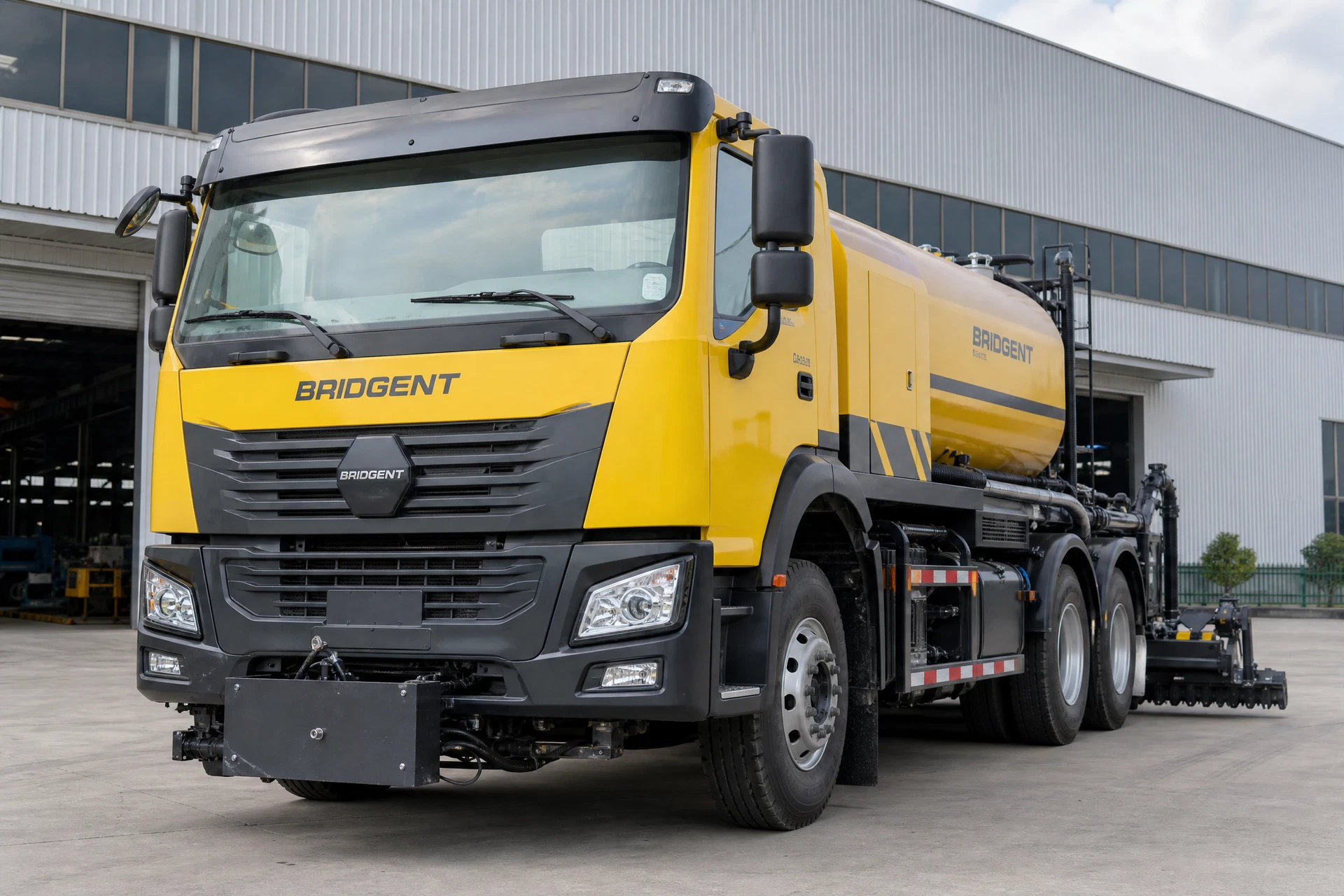
For new equipment, especially from reputable manufacturers like Bridgent Technology, a Factory Acceptance Test (FAT) is a crucial step. This involves inspecting and testing the equipment at the manufacturer's facility before shipment. During the FAT, you should:
* Verify Specifications: Cross-reference the equipment against the purchase order and technical specifications. * Perform Functional Tests: Operate the machine through all its functions, ideally with a representative load. * Check Safety Systems: Confirm all safety features, including emergency stops and interlocks, are fully operational. * Review Documentation: Ensure all manuals, spare parts lists, and certifications are complete and accurate. * Inspect Finish and Assembly: Look for any cosmetic damage, missing components, or poor assembly quality.
Bridgent, for instance, often provides detailed FAT protocols, ensuring transparency and adherence to quality standards.
Addressing Deficiencies
If deficiencies are found during either the pre-purchase inspection or the FAT, it's imperative to document them thoroughly. Take clear photographs, note specific locations, and describe the issues in detail. For minor issues, agree on a rectification plan with the seller, including a timeline for repairs. For significant problems that impact safety or core functionality, consider renegotiating the price, requesting a replacement, or even cancelling the purchase if satisfactory resolution cannot be achieved. Always ensure that any agreed-upon rectifications are completed and re-verified before taking delivery of the equipment.
Key Takeaways
A comprehensive pre-purchase inspection is indispensable for securing high-quality road maintenance equipment. By systematically evaluating mechanical, hydraulic, electrical, and safety systems, alongside thorough documentation review and operational testing, buyers can mitigate risks and ensure long-term operational efficiency. Engaging in a Factory Acceptance Test, particularly with manufacturers like Bridgent, further guarantees adherence to specifications and quality. Addressing any identified deficiencies proactively is crucial to protect your investment and ensure the equipment meets the demanding requirements of road infrastructure projects.
Discuss Your Project
Contact Bridgent for equipment specifications and a project-specific quotation.