Application Guide · 2024-03-22 · 6 min read
The Unique Demands of Tourism Roads and Scenic Routes
Maintaining roads in areas designated for tourism or scenic enjoyment requires a nuanced approach that extends beyond mere structural integrity. Unlike utilitarian highways, these routes are integral to the visitor experience, meaning factors such as visual aesthetics, environmental impact, and minimal disruption become paramount. Engineers and procurement managers must balance durability and cost-effectiveness with the need to preserve natural beauty, reduce noise pollution, and control dust, all while ensuring minimal inconvenience to tourists.
Aesthetic Preservation: Beyond the Pavement
The visual appeal of a scenic route is often its primary asset. Traditional road maintenance can sometimes detract from this, with stark black asphalt contrasting sharply with natural landscapes. Modern solutions, however, offer ways to integrate roads more harmoniously. This includes the use of colored aggregates in surface treatments, which can be chosen to blend with local geology or vegetation, or even to create specific visual effects. For instance, a red aggregate might complement a desert landscape, while a lighter, more natural stone color could suit a coastal road.
Noise Reduction: Enhancing Tranquility
Noise generated by traffic and maintenance operations can significantly diminish the tranquility of a scenic area. For road maintenance equipment, this means prioritizing machinery designed for quieter operation. Advances in engine technology, hydraulic systems, and noise-dampening materials have led to the development of quieter pavers, rollers, and sweepers. Furthermore, the choice of surface treatment can also play a role; certain asphalt mixes and surface textures are known to reduce tire-road noise, contributing to a more peaceful environment for visitors and local wildlife.
Dust Control: Protecting Air Quality and Views
Dust generated during construction and maintenance, particularly on unpaved sections or during surface preparation, can obscure views, degrade air quality, and impact visitor health. Effective dust control strategies are therefore essential. This involves using water trucks with precise spray systems, applying environmentally friendly dust suppressants, and employing vacuum sweepers rather than traditional brooms. For example, Bridgent Technology offers a range of specialized dust suppression attachments for their compact road sweepers, designed for sensitive environments.
Specialized Equipment and Techniques for Tourism Roads
Addressing the unique challenges of tourism roads necessitates a selection of specialized road maintenance equipment and techniques. The focus shifts towards precision, efficiency, and environmental consciousness.
Micro-Surfacing and Chip Seal: Balancing Durability and Aesthetics
Micro-surfacing is an ideal candidate for tourism roads due to its smooth finish and ability to incorporate colored aggregates. It is a cold-mix paving system that uses a polymer-modified asphalt emulsion, fine aggregate, mineral filler, and water. This technique provides a durable, skid-resistant surface that can extend pavement life by 5-7 years, all while maintaining a low profile that doesn't disrupt the visual flow of the landscape. Its rapid curing time also minimizes traffic disruption.
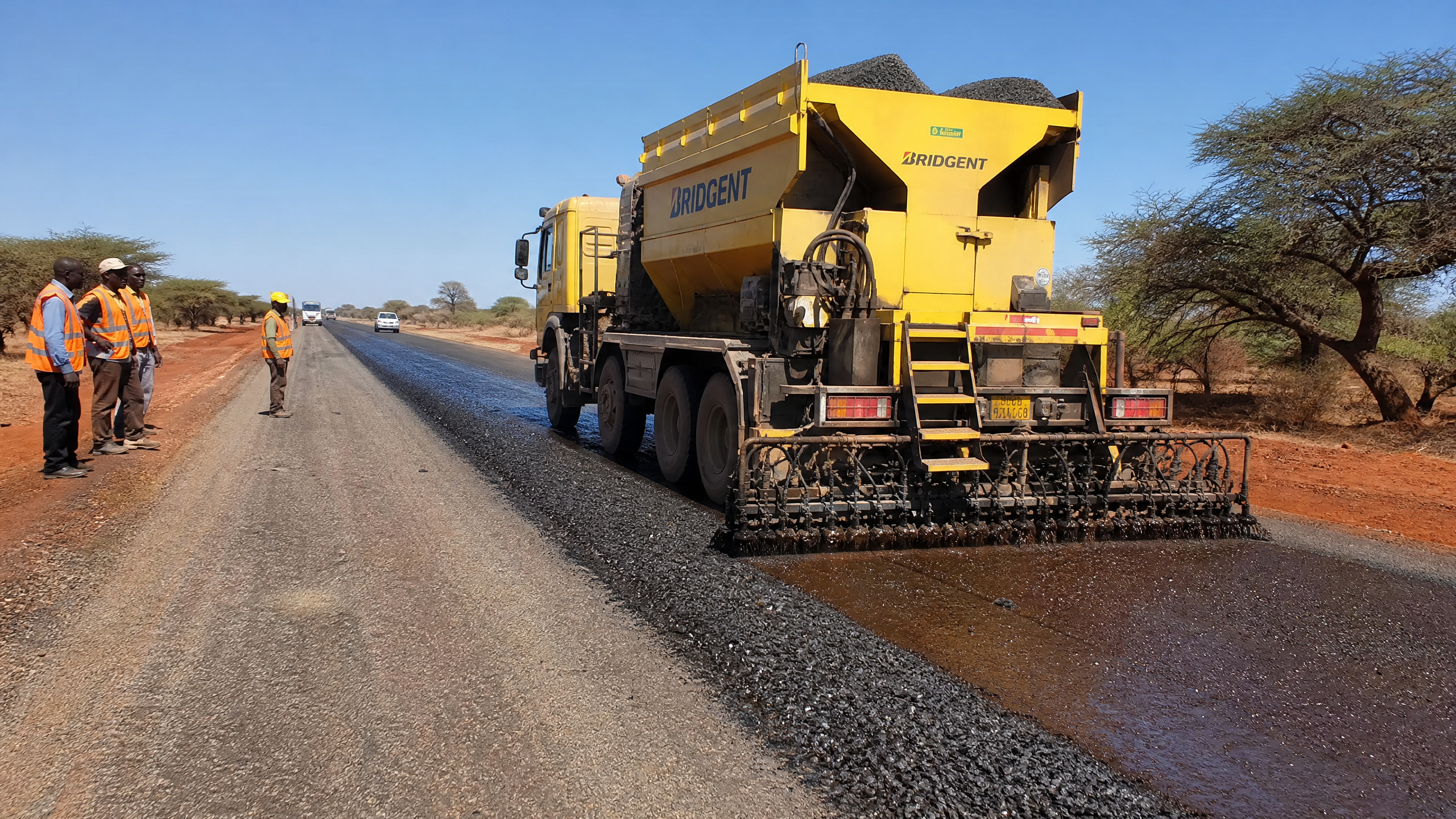
Chip seal, while traditionally more rugged, can also be adapted for scenic routes. By carefully selecting the aggregate type and color, a chip seal can offer excellent skid resistance and a natural, textured appearance. The key is to use high-quality, uniformly sized aggregates and ensure proper emulsion application to prevent loose chips, which can be unsightly and hazardous. For example, a chip seal using local, naturally colored gravel can blend seamlessly with the surrounding environment.
| Feature | Micro-Surfacing | Chip Seal | | :------------------ | :----------------------------------------------- | :------------------------------------------------ | | Aesthetics | Smooth, uniform finish; easily colored | Textured, natural look; aggregate color dependent | | Noise Reduction | Good, smoother surface reduces tire noise | Moderate, depends on aggregate size and texture | | Dust Control | Excellent, seals surface, no loose material | Good, if properly applied and swept | | Traffic Disruption | Minimal, rapid cure | Minimal, rapid cure, requires sweeping | | Durability | 5-7 years | 3-5 years | | Cost | Moderate to High | Low to Moderate |
Compact and Low-Impact Machinery
For maintenance tasks, smaller, more agile equipment is often preferred to navigate narrower roads, minimize footprint, and reduce overall impact. This includes:
* Compact Asphalt Pavers: Designed for smaller jobs and tighter spaces, these pavers can lay asphalt efficiently without requiring extensive road closures. * Mini Rollers: Essential for compaction in confined areas, reducing noise and vibration compared to larger counterparts. * Vacuum Sweepers: Crucial for effective debris and dust removal, especially after chip seal applications or general cleaning, ensuring no loose material remains to mar the aesthetic or create hazards. Bridgent's latest line of compact vacuum sweepers features advanced filtration systems, making them suitable for environmentally sensitive areas. * Small-Scale Crack Sealers: For precise and localized repairs, preventing minor cracks from escalating into major pavement failures without significant disruption.
Scheduling Maintenance Around Peak Tourism Seasons
One of the most critical aspects of managing tourism roads is the strategic scheduling of maintenance activities. Disrupting peak tourism seasons can lead to significant economic losses for local businesses and a negative experience for visitors.
Off-Peak Season Prioritization
The most effective strategy is to schedule all major construction and heavy maintenance during the off-peak season. This typically means late autumn, winter, and early spring, depending on the region's climate and tourism patterns. During these periods, traffic volumes are lower, and the impact on the local economy is minimized.
Phased Work and Night Shifts
For unavoidable maintenance during peak season, phased work is essential. This involves breaking down projects into smaller, manageable sections, allowing for partial road closures or single-lane operations rather than full closures. Utilizing night shifts for noisy or disruptive activities can also significantly reduce the impact on daytime visitors. Clear, well-communicated signage and alternative route information are paramount to manage visitor expectations and flow.
Rapid Deployment and Quick-Cure Materials
Employing rapid deployment teams and quick-cure materials, such as fast-setting concrete or asphalt patches, can drastically reduce the time roads are impacted. This allows for repairs to be completed within hours rather than days, minimizing inconvenience. For example, some cold patch asphalt mixes can be driven on almost immediately after application, making them ideal for emergency repairs on busy routes.
Conclusion: Harmonizing Infrastructure with Experience
Maintaining tourism roads and scenic routes is a specialized discipline that demands a holistic approach, integrating engineering principles with environmental and aesthetic considerations. By carefully selecting road maintenance equipment and techniques that prioritize visual harmony, noise reduction, and dust control, and by strategically scheduling operations, authorities can ensure these vital arteries continue to enhance the visitor experience without compromising the natural beauty they showcase. The investment in specialized equipment and thoughtful planning, often exemplified by manufacturers like Bridgent, ultimately preserves both the infrastructure and the allure of these unique pathways for generations to come.
Key Takeaways
* Tourism roads require maintenance strategies that prioritize aesthetics, noise reduction, and dust control. * Micro-surfacing and carefully selected chip seals offer durable and visually appealing solutions. * Compact and low-impact equipment minimizes disruption and environmental footprint. * Strategic scheduling during off-peak seasons and phased work during peak times are crucial for minimizing visitor inconvenience.
Discuss Your Project
Contact Bridgent for equipment specifications and a project-specific quotation.