Regional Guide · 2024-11-18 · 10 min read
Navigating Africa's Unique Road Maintenance Challenges
Africa's vast and diverse landscapes present a complex array of challenges for road infrastructure development and maintenance. Unlike many regions, the continent frequently contends with specific environmental factors such as prevalent laterite soils, intense tropical rainfall, and pervasive dust. These conditions demand a specialized approach to road maintenance, requiring equipment that is not only robust and efficient but also adaptable to these unique environmental stressors and often constrained budgets.
Laterite soils, characterized by their high iron and aluminum content, are common across much of sub-Saharan Africa. While they can provide a stable base when properly compacted and drained, they become highly susceptible to erosion and rutting when exposed to heavy rainfall and traffic without adequate protection. The tropical climate, marked by distinct wet and dry seasons, exacerbates these issues. Heavy downpours can quickly degrade unpaved roads, wash away fine materials, and create deep potholes, while prolonged dry spells lead to significant dust generation, impacting visibility, air quality, and equipment longevity.
Understanding the Terrain: Laterite, Rain, and Dust
Effective road maintenance in Africa begins with a deep understanding of these environmental factors. Laterite roads, though cost-effective to construct initially, require continuous attention. Their stability is heavily dependent on moisture content; too much water turns them into impassable quagmires, while too little makes them brittle and dusty. The torrential rains common in tropical zones necessitate superior drainage solutions and materials that can withstand prolonged saturation without losing structural integrity.
Dust, a constant companion on unpaved roads during dry seasons, poses health risks, reduces visibility, and accelerates wear and tear on machinery. Any comprehensive road maintenance strategy for the region must therefore integrate solutions for dust suppression alongside structural repairs and resurfacing.
Essential Road Maintenance Equipment for African Conditions
Selecting the right equipment is paramount for overcoming these challenges. The focus should be on machines that offer durability, versatility, ease of maintenance, and operational efficiency under harsh conditions. Bridgent Technology, for instance, offers a range of equipment designed with these specific requirements in mind.
1. Motor Graders
Motor graders are indispensable for shaping and maintaining unpaved roads, crucial for laterite surfaces. They are used for creating proper road camber for drainage, spreading aggregate, and scarifying hardened surfaces. For African conditions, look for:
* Heavy-duty frames: To withstand continuous operation on rough terrain. * Powerful engines (180-220 HP): To handle dense laterite and heavy loads. * Articulated frames: For better maneuverability and precise blade control on winding roads. * Robust hydraulic systems: For consistent blade pressure and movement.
2. Soil Compactors (Rollers)
Compaction is critical for stabilizing laterite and other soil types, ensuring road longevity. Vibratory soil compactors are preferred.
* Single drum vibratory rollers (10-18 tons): Ideal for base and sub-base compaction. * High compaction force: To achieve optimal density in various soil types. * Smooth drum for granular materials, padfoot drum for cohesive soils: Versatility is key.
3. Wheel Loaders
Wheel loaders are versatile machines for loading and transporting materials like gravel, sand, and laterite. They are essential for road construction and repair, particularly for moving aggregates and clearing debris.
* Robust buckets (2.5-4.0 m³ capacity): For efficient material handling. * Strong lift capacity: To manage heavy, dense materials. * Good ground clearance: To navigate uneven terrain.
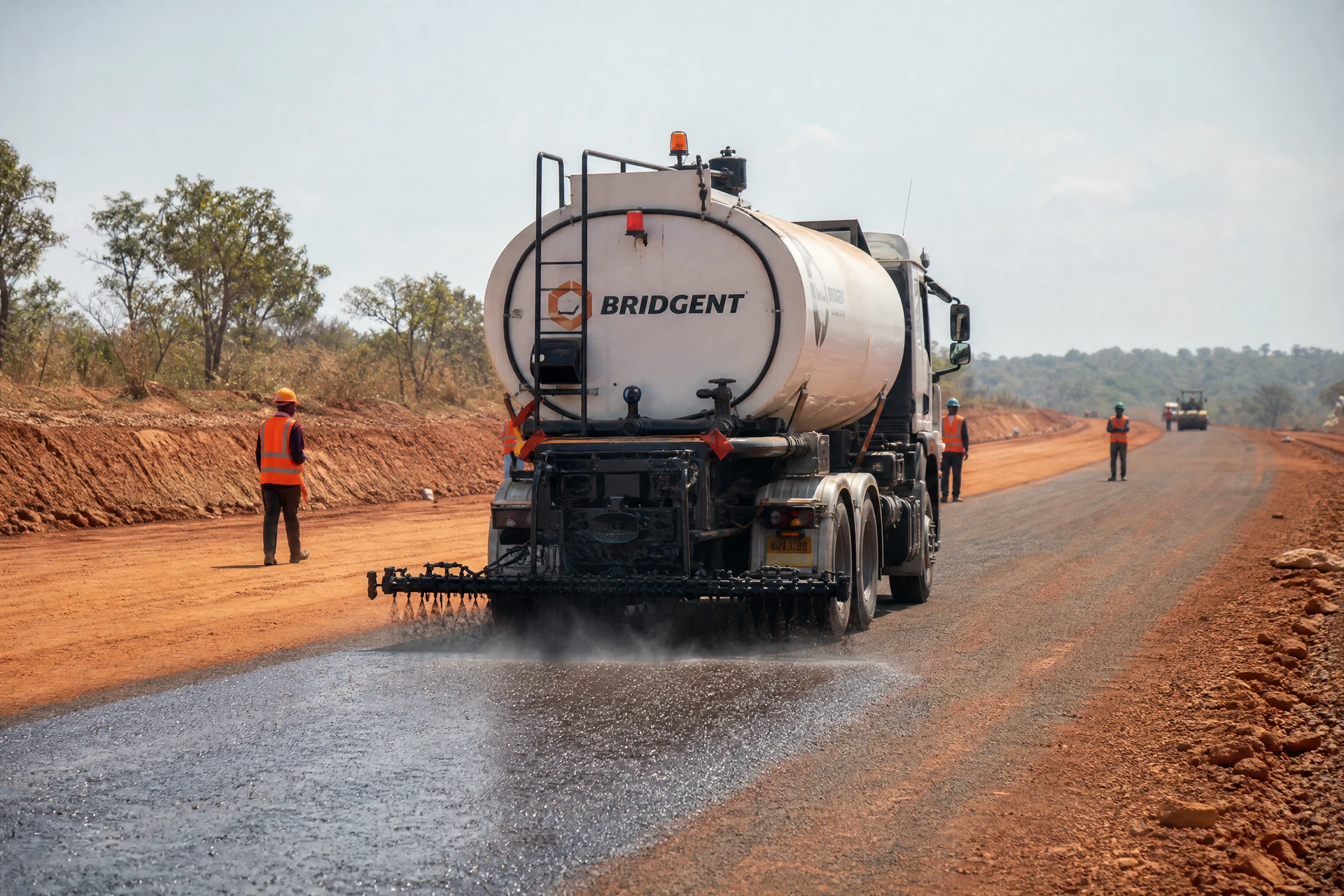
4. Water Tankers/Bowser Trucks
Crucial for dust suppression during dry seasons and for achieving optimal moisture content during compaction of laterite soils. They also serve for general site watering.
* Large capacity tanks (10,000-20,000 liters): To cover extensive road networks. * High-pressure spray systems: For effective dust control and even water distribution.
5. Asphalt Pavers and Rollers (for paved roads)
While unpaved roads are common, paved roads also require maintenance. For these, asphalt pavers and pneumatic tire rollers are vital.
* Asphalt pavers: For laying new asphalt layers or resurfacing existing ones. * Pneumatic tire rollers: For achieving final compaction and smoothness on asphalt surfaces.
Cost Comparison: Chinese vs. Western Equipment
Budget constraints are a significant factor in many African nations. This often leads procurement managers to weigh the advantages of Chinese-manufactured equipment against those from Western brands.
| Feature | Chinese Equipment | Western Equipment | Considerations | | :---------------- | :------------------------------------------------- | :----------------------------------------------- | :------------------------------------------------------------------------------------------------------------- | | Initial Cost | Generally 20-40% lower | Significantly higher | Lower upfront investment, quicker acquisition. | | Technology | Rapidly improving, often incorporates modern features | Established, cutting-edge, proven innovation | Chinese brands like Bridgent Technology are closing the gap in technology and reliability. | | Durability | Improved, but historically varied | High, long-standing reputation | Modern Chinese equipment offers competitive durability, especially for specific models. | | Fuel Efficiency | Improving, but can be less optimized | Generally higher | Important for long-term operational costs. | | Spare Parts | Increasingly available, but can be inconsistent | Readily available, extensive dealer networks | Critical for minimizing downtime; check local dealer support before purchase. | | After-Sales | Growing, but may vary by region/dealer | Comprehensive, well-established support | Essential for training, maintenance, and technical assistance. |
Chinese manufacturers have made significant strides in quality and technology, offering a compelling value proposition. For example, Bridgent Technology's equipment often provides a robust solution at a more accessible price point, making it an attractive option for governments and contractors operating under tight budgets. The key is to thoroughly vet specific models and suppliers, focusing on their track record in similar operating environments.
Financing Options and Spare Parts Availability
Securing financing and ensuring a reliable supply of spare parts are two critical considerations for any major equipment procurement in Africa.
Financing Solutions
* Export-Import Bank Loans: Many countries, including China (e.g., China Exim Bank) and Western nations, offer attractive financing packages for the export of their manufactured goods, including road machinery. These often come with favorable interest rates and repayment terms. * Multilateral Development Banks (MDBs): Institutions like the African Development Bank (AfDB) and the World Bank provide loans and grants for infrastructure projects, which can include equipment procurement. * Leasing Options: Equipment leasing can reduce upfront capital expenditure, allowing organizations to acquire necessary machinery without a large initial investment. * Private Sector Partnerships: Collaborations with private companies can unlock financing and expertise.
Spare Parts and After-Sales Support
Availability of spare parts is a make-or-break factor. A machine, no matter how advanced, is useless if it's sidelined for months awaiting a critical component. When evaluating suppliers, consider:
* Local Dealership Network: A strong local presence with well-stocked parts depots and trained technicians is invaluable. * Parts Commonality: Equipment that uses common, easily sourced components can simplify maintenance. * Warranty and Service Agreements: Understand the terms of warranty and the scope of after-sales service, including technical training for local operators and mechanics. * Manufacturer's Commitment: Manufacturers like Bridgent Technology are increasingly investing in their African distribution and service networks, recognizing the immense potential and specific needs of the market.
Key Takeaways
Effective road maintenance in Africa demands a strategic approach that accounts for unique environmental conditions, budget realities, and logistical challenges. Prioritizing durable, versatile equipment suited for laterite roads and tropical climates, while carefully evaluating the cost-benefit of Chinese versus Western machinery, is crucial. Furthermore, securing appropriate financing and ensuring robust spare parts availability and after-sales support are non-negotiable for sustainable road infrastructure development across the continent.
Discuss Your Project
Contact Bridgent for equipment specifications and a project-specific quotation.