Buying Guide · 2024-06-15 · 6 min read
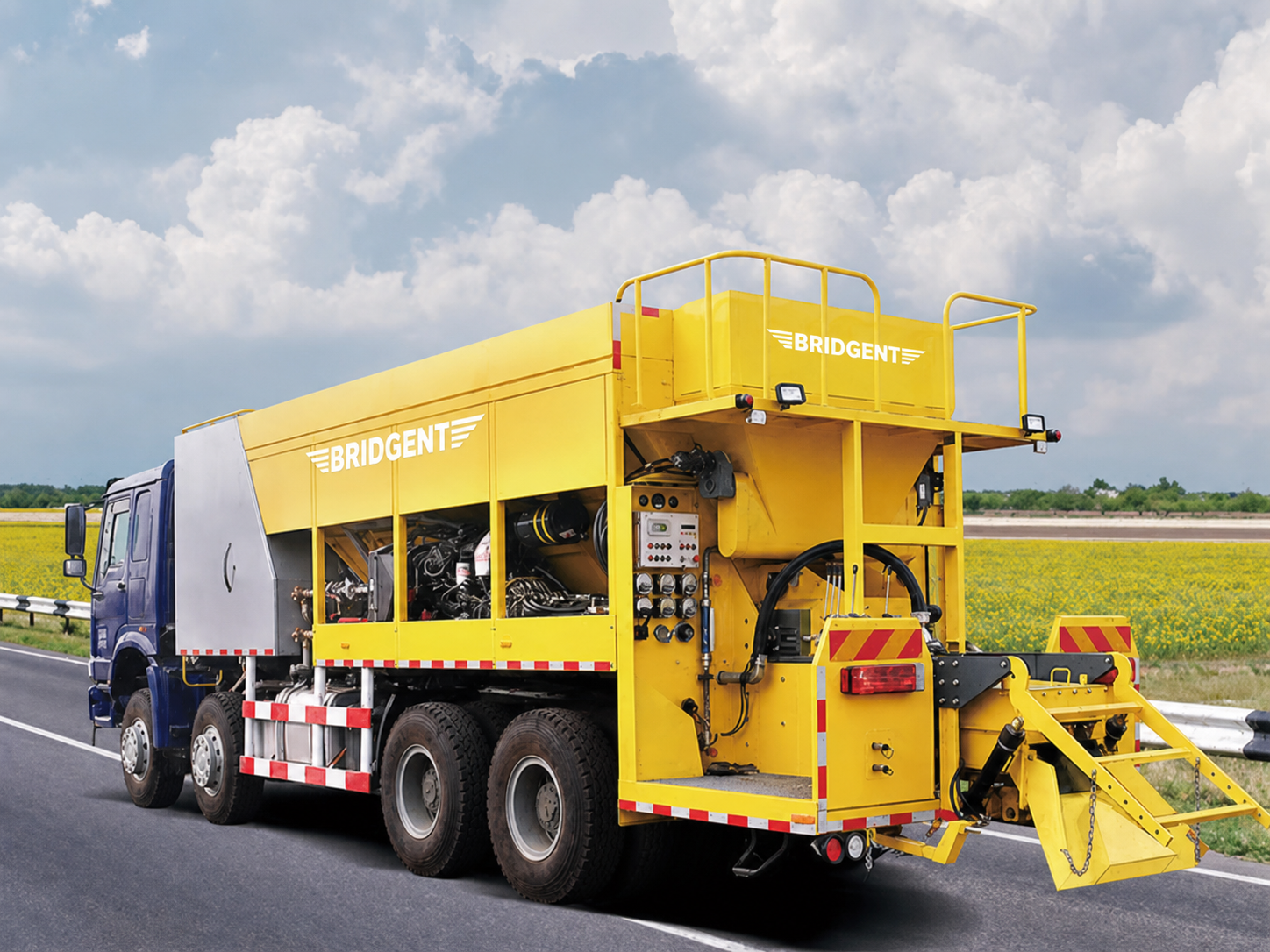
Accessing appropriate financing is a critical determinant for road contractors and government agencies looking to acquire essential road maintenance equipment. The significant capital investment required for machinery such as asphalt pavers, road rollers, milling machines, and specialized repair vehicles often necessitates strategic financial planning. Understanding the diverse financing avenues available, from traditional bank loans to innovative international procurement programs, is paramount for sustainable infrastructure development. This guide delves into the primary options, their typical terms, and how to effectively structure a financing proposal.
Traditional Bank Loans for Equipment Acquisition
Bank loans remain a cornerstone of equipment financing for many businesses and public entities. These typically involve a commercial loan where the equipment itself often serves as collateral, reducing the risk for the lender. This option is generally suitable for established entities with a strong credit history and a clear repayment capacity.
Types of Bank Loans
* Term Loans: These are the most common, offering a lump sum of capital repaid over a fixed period with regular installments. Interest rates can be fixed or variable. * Lines of Credit: Useful for smaller, ongoing equipment needs or as a supplementary fund, offering flexibility to draw and repay funds as needed.
Typical Terms and Requirements
Lenders typically assess several factors:
* Creditworthiness: A strong financial history, including consistent revenue and low debt-to-equity ratios, is crucial. * Down Payment: Often, a down payment of 10% to 25% of the equipment's value is required. * Collateral: The equipment being financed usually acts as primary collateral. Additional collateral may be required for larger loans. * Repayment Period: Loan terms typically range from 3 to 7 years, aligning with the expected useful life of the equipment. * Interest Rates: These vary based on prevailing market rates, the borrower's credit score, and the loan term. For example, a well-established contractor might secure a loan at 6-8% annual interest.
Equipment Leasing: An Alternative to Ownership
Leasing offers a flexible alternative to outright purchase, allowing contractors and agencies to use equipment without the upfront capital expenditure. It can be particularly attractive for equipment that depreciates quickly or requires frequent upgrades.
Operating Lease vs. Finance Lease
* Operating Lease: Often treated as an off-balance-sheet expense, similar to renting. The lessee does not own the equipment at the end of the term. Ideal for short-term needs or when technological obsolescence is a concern. * Finance Lease (Capital Lease): Structured more like a loan, where the lessee effectively owns the equipment for accounting purposes. At the end of the lease term, there's often an option to purchase the equipment.
Advantages of Leasing
* Lower Upfront Costs: Often requires minimal or no down payment. * Predictable Payments: Fixed monthly payments simplify budgeting. * Tax Benefits: Lease payments can often be fully tax-deductible as an operating expense. * Flexibility: Easier to upgrade to newer models at the end of the lease term.
Considerations for Leasing
* Total Cost: Over the long term, leasing can sometimes be more expensive than purchasing. * No Equity Building: Unless it's a finance lease with a purchase option, you don't build equity in the asset. * Terms: Lease terms typically range from 2 to 5 years.
Chinese EPC+F Projects: A Comprehensive Solution
For large-scale infrastructure projects, particularly in developing nations, Chinese Engineering, Procurement, Construction, and Financing (EPC+F) models have become increasingly prevalent. This integrated approach offers a single-source solution for project execution and funding.
How EPC+F Works
In an EPC+F model, a Chinese contractor undertakes the entire project lifecycle—from design and engineering to procurement of materials and equipment, and construction. The "F" component signifies that the contractor also facilitates the financing, often through Chinese state-owned banks like the Export-Import Bank of China (China Exim Bank).
Key Features and Benefits
* Integrated Approach: Streamlines project delivery by consolidating responsibilities. * Access to Capital: Provides access to significant funding, often with favorable terms, especially for projects aligned with China's Belt and Road Initiative. * Equipment Sourcing: Naturally integrates equipment from Chinese manufacturers, including high-quality road maintenance equipment from companies like Bridgent Technology. * Long Repayment Periods: Loans can have repayment periods extending to 15-20 years, with grace periods. * Competitive Interest Rates: Often below commercial rates.
Structuring an EPC+F Proposal
Engaging with Chinese EPC+F requires a detailed project proposal outlining the scope, economic benefits, and repayment capacity of the borrowing entity. It's essential to demonstrate the project's viability and its contribution to national development goals.
World Bank and Multilateral Development Bank Procurement
Multilateral Development Banks (MDBs) such as the World Bank, African Development Bank, Asian Development Bank, and Inter-American Development Bank are significant sources of funding for infrastructure projects in developing countries. Their procurement processes are rigorous but offer substantial opportunities for equipment suppliers and contractors.
Procurement Process Overview
Projects funded by MDBs adhere to strict procurement guidelines designed to ensure transparency, fairness, and value for money. This typically involves:
* Project Identification and Preparation: The borrowing country identifies a project and prepares a detailed proposal. * Appraisal and Approval: The MDB appraises the project's technical, economic, financial, and environmental viability. * Tendering and Bidding: Once approved, projects are put out for international competitive bidding. Equipment manufacturers, including those like Bridgent, can participate in these tenders. * Contract Award and Implementation: Contracts are awarded to the most responsive and lowest-evaluated bidder.
Key Considerations for MDB-Funded Projects
* Compliance: Strict adherence to MDB procurement rules, environmental and social safeguards, and anti-corruption policies is mandatory. * International Competition: Bidders face global competition, requiring competitive pricing and high-quality equipment. * Payment Security: Payments are typically secure, backed by the MDB's financial guarantees.
Structuring a Winning Financing Proposal
Regardless of the financing option, a well-structured proposal significantly increases the chances of approval. Here are key elements to include:
1. Executive Summary
A concise overview of the project, the equipment needed, the total cost, the requested financing amount, and the expected benefits.
2. Project Description and Justification
Detail the scope of the road maintenance project, the specific equipment required (e.g., a new asphalt plant, a fleet of Bridgent road rollers), and how it will contribute to improved infrastructure, efficiency, and safety.
3. Financial Projections
Present robust financial forecasts, including revenue generation/cost savings, cash flow analysis, and return on investment (ROI).
4. Management Team and Experience
Showcase the experience and capabilities of the management team responsible for the project and equipment operation.
5. Collateral and Guarantees
Clearly outline any collateral offered and any guarantees from the parent company or government.
6. Risk Assessment and Mitigation
Identify potential risks and present a clear plan for mitigating them.
Key Takeaways
Securing financing for road maintenance equipment is a strategic decision that requires careful consideration of various options. Whether opting for traditional bank loans, flexible leasing arrangements, comprehensive Chinese EPC+F projects, or participating in MDB-funded procurements, understanding the specific requirements and structuring a compelling proposal is essential. By aligning the financing strategy with project needs and demonstrating financial prudence, road contractors and government agencies can successfully acquire the advanced equipment necessary to build and maintain robust infrastructure. This strategic approach ensures long-term operational success and contributes significantly to national development goals.
Discuss Your Project
Contact Bridgent for equipment specifications and a project-specific quotation.