Regional Guide · 2024-07-25 · 6 min read
The Growing Need for Robust Road Infrastructure in East Africa
East Africa is experiencing a significant surge in infrastructure development, driven by rapid economic growth, increasing trade, and a burgeoning population. Countries like Kenya, Tanzania, and Ethiopia are at the forefront of this transformation, investing heavily in expanding and upgrading their road networks. This commitment is crucial for enhancing regional connectivity, facilitating trade, and improving access to markets and essential services. However, the success and longevity of these ambitious projects hinge on the availability and effective utilization of high-quality road maintenance equipment.
Kenya: Paving the Way for Economic Growth
Kenya, a regional economic powerhouse, has consistently prioritized infrastructure development. The Kenya Rural Roads Authority (KeRRA) and the Kenya National Highways Authority (KeNHA) are key agencies responsible for the construction and maintenance of the country's extensive road network. Major initiatives, often supported by international partners such as the African Development Bank (AfDB) and the World Bank, focus on improving trunk roads, rural access roads, and urban bypasses. These projects demand a diverse range of equipment, from heavy-duty asphalt pavers and compactors to more specialized machinery for patching, crack sealing, and surface dressing. The emphasis is on durability and efficiency, given the challenging climatic conditions and heavy traffic loads.
Tanzania: Connecting a Vast Nation
With its vast land area and strategic coastal access, Tanzania's road network is vital for both domestic and regional trade. The Tanzania National Roads Agency (TANROADS) leads the charge in developing and maintaining this critical infrastructure. Significant investments are channeled into upgrading unpaved roads to asphalt, rehabilitating existing highways, and constructing new links to facilitate agricultural output and mineral extraction. Projects often involve large-scale earthmoving equipment, such as excavators and bulldozers, alongside advanced road construction and maintenance machinery. The demand for reliable and easily maintainable equipment is paramount, especially in remote areas where access to spare parts and technical support can be limited.
Ethiopia: A Landlocked Giant's Lifeline
Ethiopia, Africa's second-most populous nation, relies heavily on its road network to connect its diverse regions and facilitate trade with neighboring countries through various corridors. The Ethiopian Roads Authority (ERA) is tasked with the monumental responsibility of expanding and maintaining this network. With ambitious plans to connect every kebele (administrative unit) by all-weather roads, the scale of equipment required is immense. This includes everything from aggregate crushers and asphalt mixing plants to graders, rollers, and specialized cold milling machines for pavement rehabilitation. The country's varied topography, from high plateaus to lowlands, necessitates versatile and robust equipment capable of operating in diverse environments.
Key Equipment Categories and Technical Considerations
Effective road maintenance in East Africa requires a comprehensive suite of equipment tailored to specific tasks and environmental conditions. Understanding the technical specifications and operational capabilities of these machines is crucial for procurement managers and project engineers.
Asphalt Paving and Compaction
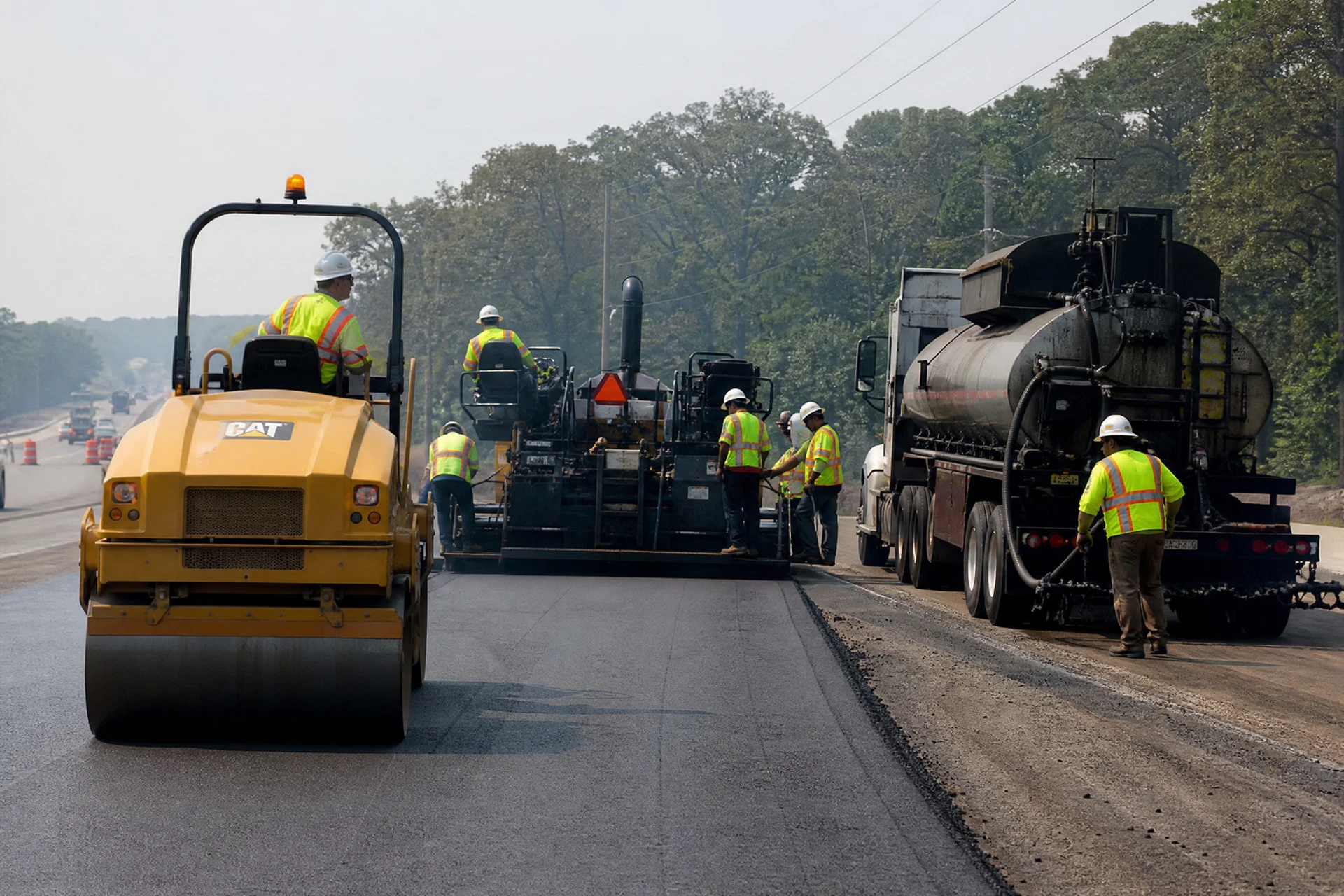
Asphalt pavers are central to laying new road surfaces and rehabilitating existing ones. Modern pavers, such as those offered by Bridgent Technology, feature advanced screed heating systems, automatic grade and slope control, and high compaction capabilities. For instance, a typical asphalt paver might have a paving width ranging from 2.5 to 9 meters, a paving speed of up to 20 meters per minute, and a hopper capacity of 12-15 tons. Complementing pavers are various types of compactors: vibratory rollers for base and sub-base compaction (e.g., 10-18 ton single drum rollers with centrifugal forces up to 300 kN), pneumatic tire rollers for achieving high density and sealing surfaces, and tandem rollers for smooth finish compaction. The selection depends on the material type, layer thickness, and desired compaction density.
Earthmoving and Grading
Before paving, significant earthmoving and grading work is often required. Motor graders are indispensable for creating precise slopes and leveling surfaces, with blade widths typically ranging from 3.7 to 4.3 meters and engine power from 140 to 220 horsepower. Excavators (e.g., 20-30 ton class with bucket capacities of 1.0-1.8 m³) and bulldozers are essential for clearing land, digging trenches, and moving large volumes of material. These machines need to be robust, with strong hydraulic systems and durable undercarriages to withstand the demanding conditions of East African construction sites.
Surface Treatment and Rehabilitation
For maintaining existing roads and extending their lifespan, specialized equipment for surface treatment and rehabilitation is vital. Chip spreaders are used for applying aggregate in surface dressing operations, often with spreading widths of 2.5 to 4.5 meters. Emulsion sprayers ensure uniform application of bituminous binders. Cold milling machines are increasingly used for precise removal of deteriorated asphalt layers, with cutting widths from 0.5 to 2.2 meters and milling depths up to 300 mm. These machines allow for efficient recycling of materials and preparation for new overlays.
Procurement Channels and Opportunities
Procurement of road maintenance equipment in East Africa is often influenced by major development partners and the presence of international contractors.
African Development Bank (AfDB) and World Bank Projects
Both the AfDB and the World Bank are significant financiers of infrastructure projects across East Africa. Their projects typically involve international competitive bidding processes, which present substantial opportunities for global equipment suppliers. These tenders often specify high standards for equipment quality, performance, and after-sales support, favoring manufacturers with a strong international reputation and established service networks. Suppliers looking to enter or expand in these markets must be prepared to meet stringent technical and financial criteria.
Chinese Contractor Presence
Chinese construction companies have a dominant presence in East Africa's infrastructure sector, often undertaking large-scale road projects. These contractors frequently bring their own equipment or prefer to procure from Chinese manufacturers due to established relationships, competitive pricing, and integrated supply chains. However, there is also a growing opportunity for non-Chinese suppliers to partner with these contractors, especially for specialized equipment or components that offer superior performance or technological advantages. Bridgent, for example, has successfully supplied components to several large-scale projects in the region.
Challenges and Considerations for Suppliers
Suppliers targeting the East African market face unique challenges that require strategic planning.
Logistics and After-Sales Support
Logistics can be complex, with varying customs regulations, port efficiencies, and inland transportation infrastructure. Establishing robust supply chains for spare parts and consumables is critical. Furthermore, providing comprehensive after-sales support, including technical training for local operators and maintenance personnel, is a key differentiator. A strong local presence or partnership with reliable distributors is often essential for long-term success.
Financing and Payment Terms
Navigating financing options and payment terms can be challenging. Suppliers often need to be flexible and understand the financing mechanisms associated with international development projects. Offering competitive financing solutions or working with export credit agencies can significantly enhance a supplier's attractiveness.
Local Content and Capacity Building
Governments in East Africa are increasingly emphasizing local content requirements and capacity building. This can involve training local staff, establishing local assembly plants, or sourcing certain components locally. Suppliers who demonstrate a commitment to these aspects are likely to gain favor and secure long-term contracts.
Key Takeaways
The East African market for road maintenance equipment is dynamic and offers significant opportunities driven by ongoing infrastructure development. Success for suppliers hinges on understanding the specific needs of countries like Kenya, Tanzania, and Ethiopia, adapting to procurement channels influenced by international development banks and Chinese contractors, and addressing challenges related to logistics, after-sales support, and local content. Manufacturers like Bridgent Technology, who focus on durable, efficient, and technologically advanced solutions, are well-positioned to contribute to the region's infrastructure growth and benefit from its expanding market. Strategic partnerships and a commitment to local capacity building will be crucial for sustainable engagement in this vital sector.
Discuss Your Project
Contact Bridgent for equipment specifications and a project-specific quotation.