Technical Guide · 2024-07-25 · 8 min read
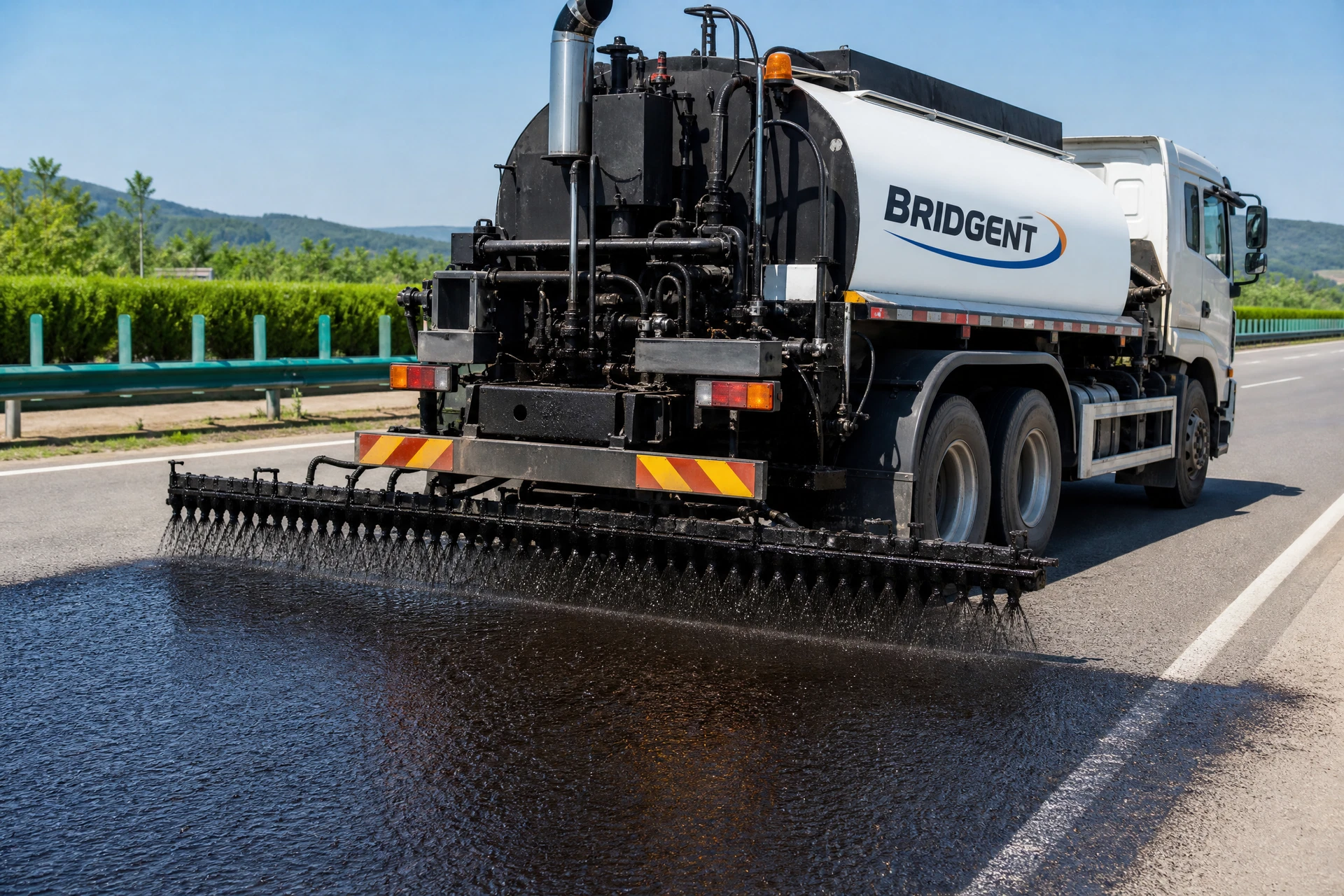
Modified asphalt binders — including polymer-modified bitumen (PMB), rubberized asphalt, and high-viscosity modified asphalt — are increasingly specified for high-performance road applications due to their superior resistance to rutting, cracking, and fatigue. However, these materials present significant challenges for asphalt distributor trucks that are not specifically designed for their unique properties.
Why Modified Asphalt Requires Specialized Equipment
Modified asphalt binders have significantly higher viscosity than conventional asphalt at the same temperature. This higher viscosity creates several challenges:
1. Higher heating requirements: Modified asphalt must be heated to higher temperatures (typically 160–185°C vs. 130–160°C for conventional asphalt) to achieve the viscosity required for pumping and spraying 2. Higher pump pressure: The higher viscosity requires greater pump pressure to maintain adequate flow through the spray system 3. Mixing requirements: Some modified asphalts (particularly rubberized asphalt) require continuous mixing to prevent separation of the modifier from the base asphalt 4. Insulation requirements: Modified asphalt cools more quickly than conventional asphalt, requiring better tank insulation to maintain temperature during transport
Equipment Requirements for Modified Asphalt
Heating System
A high-power auxiliary engine (26kW or more) is essential for heating modified asphalt. The thermal oil heating system must be capable of:
- Heating the full tank from ambient temperature to working temperature in a reasonable time
- Maintaining the target temperature within ±2°C throughout the working day
- Providing adequate heating capacity even in cold weather conditions
Pump System
The Belgium JOHNSON pump is the preferred choice for modified asphalt applications due to its:
- High pressure capability for viscous materials
- Wide speed range for precise flow control
- Robust construction for long service life
- Self-priming capability for reliable startup
Mixing System
For rubberized asphalt and some polymer-modified asphalts, a vertical spiral mixing device in the tank is essential to:
- Prevent separation of rubber particles from the asphalt matrix
- Maintain uniform temperature throughout the tank
- Prevent demulsification of emulsified modified asphalts
Insulation
Modified asphalt tanks should have superior insulation to minimize heat loss during transport and between applications. A temperature drop of no more than 12°C over 8 hours at ambient temperature is the standard specification.
Best Practices for Modified Asphalt Distribution
1. Pre-heat the tank: Before loading modified asphalt, pre-heat the tank to at least 150°C to prevent thermal shock and ensure rapid heating of the material 2. Monitor temperature continuously: Use the automatic temperature controller to maintain the target temperature throughout the operation 3. Keep the mixing system running: For rubberized asphalt, keep the mixing system running at all times to prevent separation 4. Flush after use: After each day's operation, flush the spray system with solvent to prevent modified asphalt from solidifying in the nozzles and pipes 5. Avoid overheating: Overheating modified asphalt can degrade the polymer modifier, reducing performance. Never exceed the manufacturer's maximum heating temperature
Common Modified Asphalt Types and Their Requirements
| Binder Type | Application Temperature | Special Requirements | |---|---|---| | PMB (SBS-modified) | 160–180°C | High-power heating, good insulation | | Rubberized asphalt | 175–195°C | Continuous mixing, very high-power heating | | High-viscosity modified | 165–185°C | High pump pressure, Belgium JOHNSON pump | | Emulsified PMB | 50–70°C | Standard distributor, good nozzle condition |
With the right equipment and proper operating procedures, modified asphalt can be applied with the same precision and efficiency as conventional asphalt, delivering the superior performance characteristics that make these materials increasingly popular for high-traffic road applications.
Discuss Your Project
Contact Bridgent for equipment specifications and a project-specific quotation.
Topics
- modified asphalt
- polymer modified bitumen
- rubberized asphalt
- asphalt distributor