Technical Guide · 2024-10-30 · 7 min read
Understanding Micro-Surfacing for Rut Filling
Micro-surfacing is a highly effective pavement preservation technique, often confused with standard slurry seal. While both involve a mixture of aggregate, asphalt emulsion, water, and additives, micro-surfacing is designed for thicker applications and can correct minor to moderate surface irregularities, including ruts. Its key advantage in rut filling lies in its ability to be applied in multiple layers, build thickness, and cure rapidly, minimizing traffic disruption.
Unlike conventional slurry seals, which are typically applied in thin layers (3-10 mm) and primarily serve as a protective wearing course, micro-surfacing can be applied in layers up to 40 mm thick. This increased thickness allows it to fill deeper ruts and provide structural enhancement to the pavement surface. The aggregate gradation in micro-surfacing is coarser, contributing to its stability and resistance to rutting and shoving, especially under heavy traffic loads.
Equipment Setup for Optimal Rut Filling
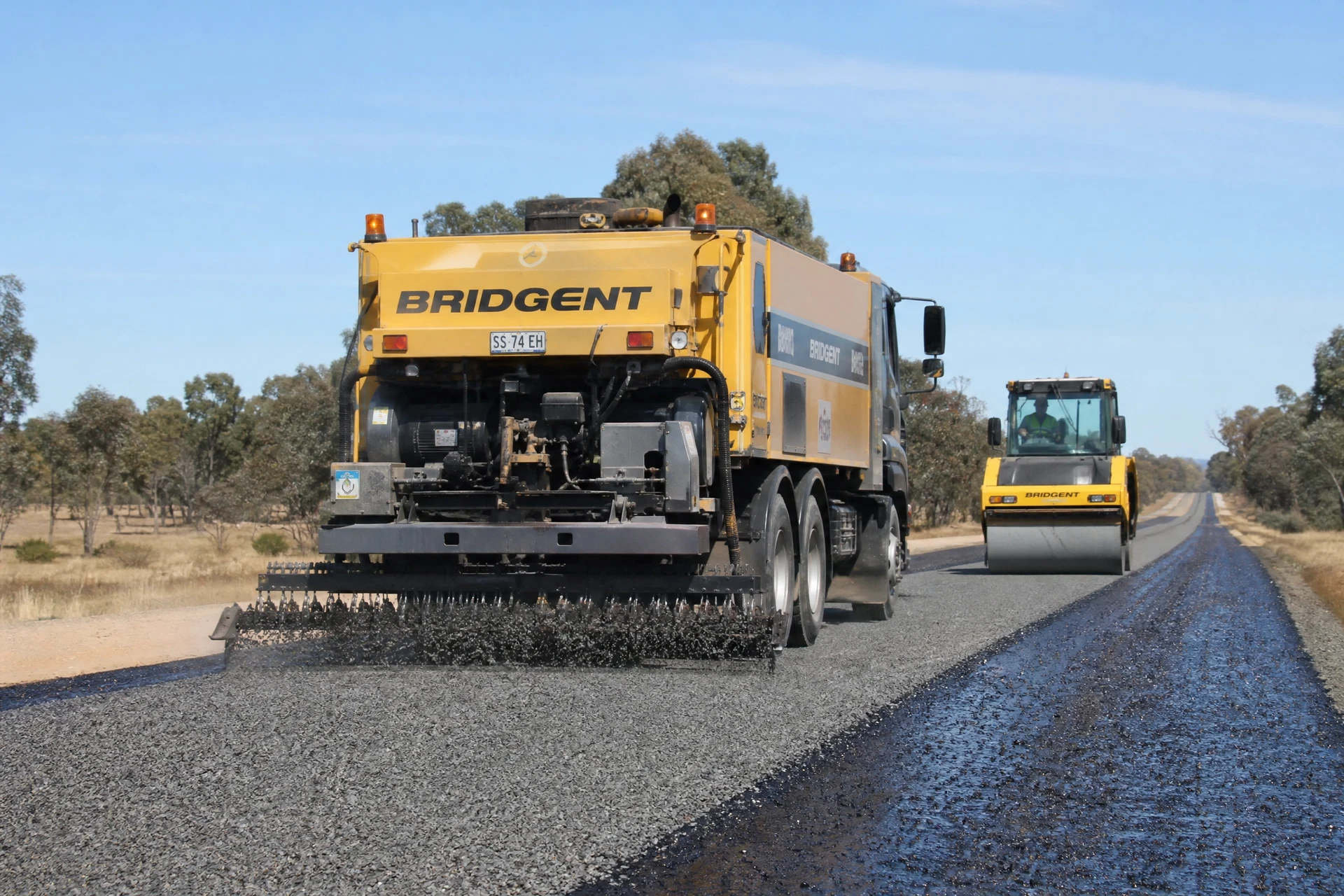
Effective micro-surfacing for rut filling requires specialized equipment and precise calibration. The core of the operation is a self-propelled, continuous-mix micro-surfacing machine. This machine accurately proportions and mixes the components (aggregate, emulsion, water, and additives) on-site, ensuring a consistent and homogeneous mixture.
The Rut-Filling Box Attachment Explained
For rut filling, a dedicated rut-filling box attachment is crucial. This specialized spreader box is designed to concentrate the micro-surfacing mixture directly into the rut. It typically features adjustable gates or baffles that allow operators to control the width and depth of the material placement. The box is often equipped with augers or strike-off screeds that ensure the material is evenly distributed and compacted within the rut profile. The design of the rut-filling box ensures that the material is placed precisely where needed, minimizing waste and maximizing the effectiveness of the treatment. Leading manufacturers like Bridgent Technology offer advanced rut-filling box designs that integrate seamlessly with their micro-surfacing machines, providing superior control and application efficiency.
Machine Calibration and Operation
Before application, the micro-surfacing machine must be meticulously calibrated. This involves verifying the accuracy of aggregate feed, emulsion pump rates, water flow, and additive dosage. Calibration ensures that the mix design proportions are consistently met throughout the project. For rut filling, the machine's spreading width and depth controls on the rut-filling box must be set according to the specific rut dimensions. Operators should maintain a consistent speed to ensure uniform material placement and avoid over- or under-application.
Mix Design Adjustments for Rut Depth (10mm–40mm)
Micro-surfacing mix design is critical for successful rut filling and must be tailored to the specific rut depth and traffic conditions. The primary components—aggregate, asphalt emulsion, water, and additives—are proportioned to achieve desired workability, stability, and curing characteristics.
Aggregate Gradation and Content
For rut depths ranging from 10mm to 40mm, a coarser aggregate gradation (Type III or IV) is generally preferred. This provides greater stability and resistance to displacement. The aggregate content typically ranges from 75% to 85% by dry weight of the mix. The angularity and surface texture of the aggregate are also important, as they contribute to the interlock and strength of the cured material.
Emulsion Type and Content
Polymer-modified cationic quick-set asphalt emulsions are standard for micro-surfacing. The polymer modification enhances the flexibility, durability, and rutting resistance of the final product. Emulsion content usually falls between 6.5% and 12.0% by dry weight of aggregate, depending on the aggregate type, traffic volume, and climate. For deeper ruts, a slightly higher emulsion content might be considered to improve flexibility and adhesion.
Additives and Water Content
Chemical additives, such as emulsifiers and set control agents, are used to control the breaking and curing time of the emulsion. This is particularly important for rut filling, where controlled workability is needed to properly fill the rut profile before the mix sets. Water content is adjusted to achieve optimal workability and spreadability, typically ranging from 5% to 15% of the dry aggregate weight. The goal is a mix that is fluid enough to flow into the rut but stable enough to resist segregation and excessive runoff.
Compaction Requirements and Traffic Reopening Criteria
Proper compaction and controlled traffic reopening are essential for the long-term performance of micro-surfacing rut fills.
Initial Compaction
While micro-surfacing is primarily compacted by traffic, initial compaction is achieved by the spreader box's strike-off screed. This ensures the material conforms to the rut profile and achieves initial density. For deeper ruts, some agencies may specify light pneumatic tire rolling immediately after placement, though this is less common than with conventional asphalt overlays. The material should be placed in a manner that avoids excessive segregation or bleeding.
Curing and Traffic Reopening
Micro-surfacing cures through a chemical break and water evaporation. The curing time is highly dependent on ambient temperature, humidity, and mix design. Typically, micro-surfacing can accept traffic within 1 to 4 hours after placement. However, for rut filling applications, especially deeper ones, it is prudent to extend the traffic reopening time to ensure adequate strength development. A common guideline is to reopen to traffic when the material can withstand turning movements without displacement. Bridgent's formulations are engineered for rapid cure times, allowing for quicker traffic resumption without compromising durability.
Quality Control Measures
Quality control is paramount throughout the micro-surfacing process. This includes regular checks of material temperatures, aggregate moisture content, and emulsion stability. Field tests, such as the loaded wheel tracker test, can assess the mix's rutting resistance and cohesion. Post-application, visual inspections should confirm uniform coverage, proper rut filling, and absence of defects like segregation or flushing. Core samples can be taken to verify thickness and density if required.
Key Takeaways
Micro-surfacing offers a durable and cost-effective solution for rut filling, distinguishing itself from standard slurry seals through its thicker application capabilities and specialized equipment like the rut-filling box. Successful implementation hinges on precise equipment calibration, a tailored mix design that considers rut depth, and adherence to proper compaction and curing protocols. By carefully managing these factors, road engineers and procurement managers can achieve long-lasting repairs and extend pavement life, often with the support of advanced equipment and materials from manufacturers like Bridgent.
Discuss Your Project
Contact Bridgent for equipment specifications and a project-specific quotation.