Buying Guide · 2024-07-30 · 5 min read
Introduction: Navigating the Micro-Surfacing Equipment Dilemma
Road contractors face a perennial strategic decision: whether to rent or purchase specialized equipment. For micro-surfacing operations, this choice is particularly critical, impacting project profitability, operational flexibility, and long-term financial health. Micro-surfacing, a cold-mix paving system, is essential for preserving and extending the life of asphalt pavements, demanding precise application and reliable machinery. This article provides a comprehensive financial analysis to guide road contractors in making an informed decision regarding micro-surfacing equipment rental versus purchase.
Understanding Micro-Surfacing Technology and Equipment
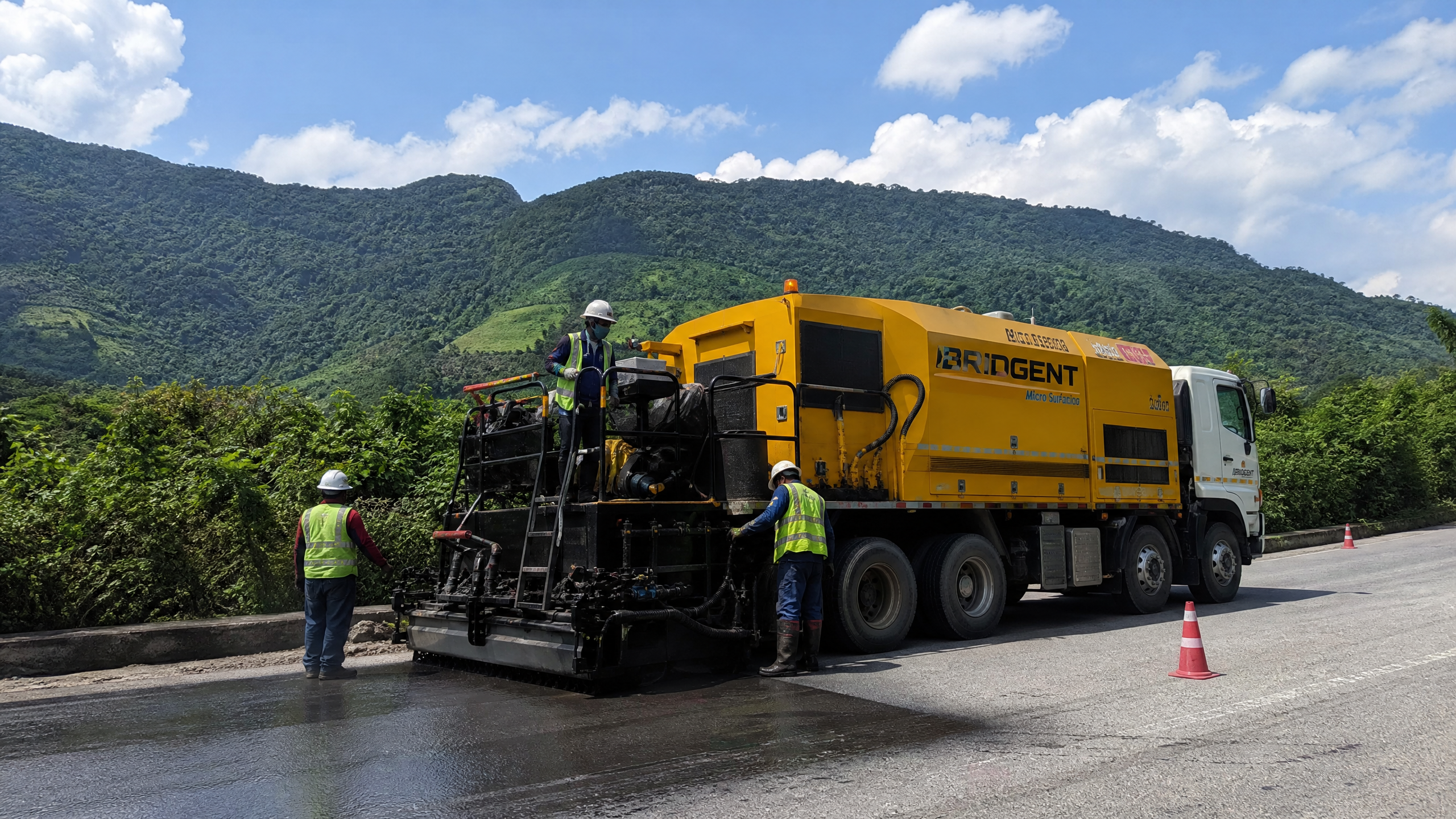
Micro-surfacing involves a mixture of polymer-modified asphalt emulsion, mineral aggregate, water, and additives. It's applied in a thin layer to existing pavement surfaces to improve skid resistance, seal minor cracks, and restore ride quality. The core equipment for this process is the micro-surfacing paver, a self-propelled machine designed for continuous mixing and spreading. Key components include aggregate hoppers, emulsion tanks, water tanks, additive systems, and a spreading box. Modern pavers, such as those offered by Bridgent Technology, feature advanced computer controls for precise material proportioning and application, ensuring consistent quality and minimizing waste.
Key Equipment Specifications to Consider
When evaluating micro-surfacing pavers, contractors should consider several technical specifications:
* Production Capacity: Measured in tons per hour or square meters per hour, this dictates how quickly projects can be completed. * Hopper Capacities: Adequate aggregate, emulsion, and water capacities reduce refill frequency, improving efficiency. * Engine Power: Sufficient horsepower ensures reliable operation under varying conditions and grades. * Spreading Box Width: Adjustable widths allow for versatility across different lane configurations. * Control Systems: Automated controls for mix design, material flow, and application rate are crucial for quality and consistency. * Maintenance Accessibility: Ease of access to wear parts and service points can significantly reduce downtime.
Financial Analysis: Rent vs. Purchase
The decision to rent or purchase micro-surfacing equipment hinges on a detailed financial assessment that considers initial investment, operational costs, and equipment utilization.
Initial Investment and Depreciation
Purchasing a new micro-surfacing paver represents a substantial capital outlay, typically ranging from $400,000 to over $1,000,000, depending on capacity and features. This investment is subject to depreciation, which can be a tax advantage but also reflects the equipment's declining value over time. Rental, conversely, avoids this upfront cost, freeing up capital for other business needs or working capital.
Operational Costs: Maintenance, Fuel, and Labor
Maintenance: Equipment ownership entails significant maintenance responsibilities and costs. This includes routine servicing, preventative maintenance, and unexpected repairs. Specialized parts and skilled technicians are often required. A comprehensive maintenance program can cost 5-10% of the equipment's purchase price annually. With rental, many of these costs are absorbed by the rental company, though contractors are typically responsible for daily operational checks and minor consumables.
Fuel: Fuel consumption is a direct operational cost for both rented and owned equipment. Modern pavers are designed for fuel efficiency, but large-scale projects will incur substantial fuel expenses.
Labor: Skilled operators are essential for micro-surfacing equipment. Whether rented or owned, labor costs remain consistent, though training for new equipment might be necessary with a purchase.
Equipment Utilization Rates: The Break-Even Point
The most critical factor in the rent-or-buy decision is the equipment utilization rate. This refers to the percentage of time the equipment is actively used on revenue-generating projects. Low utilization rates favor renting, as the fixed costs of ownership (depreciation, insurance, storage) are spread over fewer operational hours, making the per-hour cost prohibitive.
To determine the break-even point, contractors must calculate the annual project area (or operating hours) required to justify the purchase. Let's consider a hypothetical scenario:
Assumptions: * New paver cost: $750,000 * Useful life: 10 years * Annual depreciation (straight-line): $75,000 * Annual maintenance, insurance, storage: $50,000 * Total annual fixed ownership cost: $125,000 * Average daily rental cost: $2,500 (including maintenance, insurance) * Average daily operational output: 5,000 sq meters
Break-Even Calculation:
If the contractor rents, the cost per day is $2,500. If they own, the fixed cost is $125,000 annually. To break even, the number of operational days per year must be:
$125,000 (Annual Fixed Cost) / $2,500 (Daily Rental Cost Equivalent) = 50 operational days per year.
This means if a contractor anticipates using the micro-surfacing paver for more than 50 days per year, purchasing becomes financially more attractive. For projects requiring less than 50 days of operation annually, renting is generally the more cost-effective option.
Rental Market Availability and Considerations
The availability of micro-surfacing equipment in the rental market varies by region and demand. In areas with high road maintenance activity, rental fleets may be extensive, offering a range of paver sizes and technologies. However, during peak construction seasons, availability can be limited, and rental rates may increase. Contractors should also consider:
* Rental Agreement Terms: Understand clauses related to damage, insurance, fuel, and return conditions. * Equipment Condition: Ensure rented equipment is well-maintained and meets project specifications. * Logistics: Transportation to and from the job site is typically the contractor's responsibility, adding to rental costs.
Financing Options for Purchase
For contractors opting to purchase, several financing avenues are available:
* Traditional Bank Loans: Secured loans with fixed or variable interest rates, often requiring a significant down payment. * Equipment Leasing: Offers lower monthly payments and potential tax benefits, with options to purchase at the end of the lease term. * Manufacturer Financing: Companies like Bridgent often provide competitive financing packages or lease-to-own programs, sometimes with favorable terms for their specific equipment. * Government Programs: In some regions, government grants or subsidized loans are available for infrastructure development equipment.
Conclusion: Key Takeaways
The decision between renting and purchasing micro-surfacing equipment is complex, requiring a thorough financial and operational analysis. For contractors with consistent, high-volume micro-surfacing projects (e.g., exceeding 50 operational days annually in our example), purchasing offers long-term cost savings, greater control over equipment availability, and potential tax advantages. Conversely, for those with intermittent or smaller-scale projects, renting provides flexibility, reduces upfront capital expenditure, and shifts maintenance burdens. Ultimately, a detailed assessment of projected utilization rates, maintenance capabilities, and available financing options will dictate the most economically sound strategy for any road contractor.
Discuss Your Project
Contact Bridgent for equipment specifications and a project-specific quotation.