Buying Guide · 2024-10-08 · 6 min read
Mobile vs. Stationary Bitumen Emulsion Plants: Which Configuration Is Right for Your Operation?
Bitumen emulsion plants are critical for modern road construction and maintenance, enabling the production of asphalt emulsions used in various applications such as tack coats, prime coats, and surface treatments. The choice between a mobile and a stationary plant configuration is a pivotal decision that significantly impacts operational efficiency, project flexibility, and overall cost-effectiveness. This guide delves into the key considerations for selecting the optimal plant type for your specific needs, examining factors like setup time, production capacity, transport costs, and permitting requirements.
Understanding Bitumen Emulsion Plants
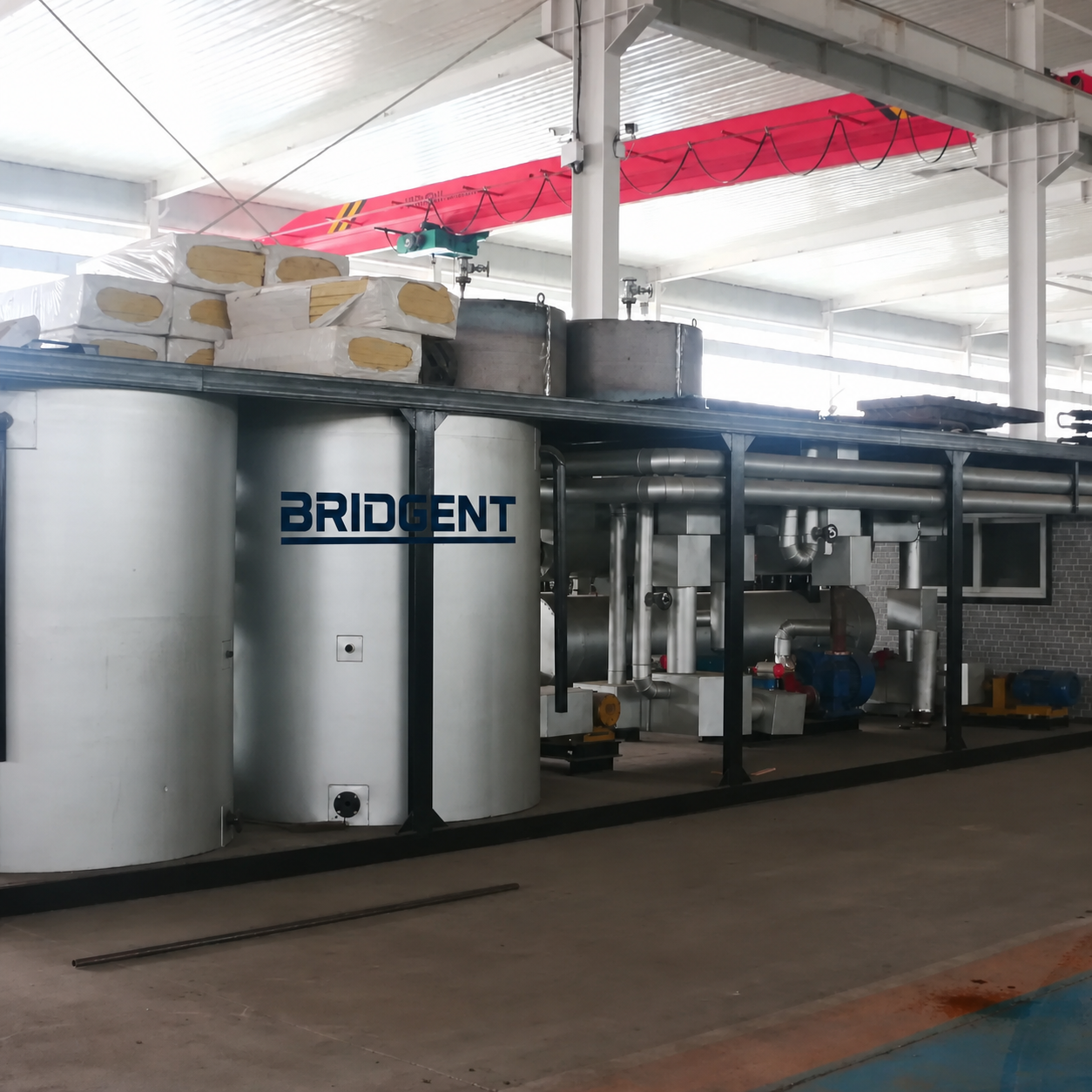
Bitumen emulsion is a stable dispersion of bitumen in water, achieved through a chemical process involving an emulsifier. This allows for cold application, reducing energy consumption and environmental impact compared to hot mix asphalt. The core components of an emulsion plant typically include bitumen and water tanks, an emulsifier dosing system, a colloid mill, and a control system. The primary distinction between mobile and stationary units lies in their portability and the scale of operations they are designed to support.
Stationary Bitumen Emulsion Plants: The Foundation of Large-Scale Production
Stationary bitumen emulsion plants are permanent installations designed for high-volume, continuous production. They are typically erected at a fixed location, often near bitumen refineries or major aggregate sources, to minimize raw material transportation costs. These plants are characterized by their robust construction, larger capacities, and sophisticated automation.
Advantages of Stationary Plants
* High Production Capacity: Stationary plants can produce significantly larger quantities of bitumen emulsion per hour, often ranging from 20 to 60 tons, making them ideal for extensive road networks or long-term projects. This high output ensures a consistent supply for large-scale operations. * Superior Quality Control: With dedicated infrastructure and advanced control systems, stationary plants offer precise control over the emulsion formulation, leading to consistent product quality. This is crucial for meeting stringent specifications in high-performance road applications. * Lower Operating Costs (Per Ton): While initial investment is higher, the per-ton operating cost is generally lower due to economies of scale, optimized energy consumption, and reduced labor requirements through automation. Maintenance can also be more streamlined with dedicated on-site personnel and spare parts. * Enhanced Safety and Environmental Compliance: Permanent installations allow for better integration of safety features and environmental controls, such as advanced filtration systems and spill containment, facilitating compliance with local regulations.
Disadvantages of Stationary Plants
* High Initial Investment: The cost of acquiring, installing, and commissioning a stationary plant, along with the necessary land and infrastructure, is substantial. * Limited Flexibility: Their fixed location means that transportation of the finished emulsion to distant project sites can incur significant costs and logistical challenges, especially for projects in remote areas. * Permitting and Regulatory Hurdles: Obtaining permits for construction and operation can be a lengthy and complex process, involving environmental impact assessments and adherence to various zoning laws.
Mobile Bitumen Emulsion Plants: Agility and Adaptability
Mobile bitumen emulsion plants, often trailer-mounted, are designed for portability and rapid deployment. They are particularly suited for projects requiring flexibility, such as those in remote locations or where project durations are shorter. These plants prioritize ease of transport and quick setup.
Advantages of Mobile Plants
* Exceptional Mobility: The primary advantage is their ability to be easily transported between different project sites. This significantly reduces the cost and time associated with transporting finished emulsion over long distances. * Rapid Setup and Dismantling: Mobile plants are engineered for quick assembly and disassembly, allowing operations to commence swiftly at new locations. This minimizes downtime between projects. * Reduced Transportation Costs of Finished Product: By producing emulsion closer to the point of application, mobile plants drastically cut down on the logistics and costs of transporting the final product, which can be a major expense for remote projects. * Ideal for Remote or Multiple Projects: Road contractors working on scattered or temporary projects, or government agencies managing road networks across vast regions, benefit immensely from the flexibility offered by mobile units. For instance, a mobile bitumen emulsion plant from Bridgent Technology can be quickly deployed to a rural road repair site, minimizing delays and ensuring timely project completion.
Disadvantages of Mobile Plants
* Lower Production Capacity: Mobile plants typically have smaller capacities, ranging from 5 to 20 tons per hour, which may not be sufficient for very large-scale or continuous production demands. * Potentially Higher Operating Costs (Per Ton): The frequent relocation and setup can lead to higher per-ton operating costs due to increased labor for setup, potential for more wear and tear during transport, and less optimized energy consumption compared to stationary units. * Quality Control Challenges: Maintaining consistent quality can be more challenging due to varying site conditions and the need for recalibration after each move. However, modern mobile plants, including those offered by Bridgent, incorporate advanced control systems to mitigate these issues. * Dependency on External Utilities: Mobile plants often require external sources for power, water, and fuel, which need to be arranged at each new site.
Key Comparison: Mobile vs. Stationary Bitumen Emulsion Plants
To further illustrate the differences, the following table provides a direct comparison of key operational aspects:
| Feature | Stationary Bitumen Emulsion Plant | Mobile Bitumen Emulsion Plant | | :------------------ | :----------------------------------------------------------------- | :--------------------------------------------------------------- | | Production Capacity | High (20-60+ tons/hour) | Moderate (5-20 tons/hour) | | Initial Investment | High | Moderate to High | | Flexibility | Low (fixed location) | High (easily transportable) | | Setup Time | Long (weeks to months) | Short (days to a week) | | Operating Cost (per ton) | Lower (due to economies of scale) | Potentially Higher (due to relocation, less optimization) | | Quality Control | Excellent (stable environment, advanced systems) | Good (can be affected by site conditions, requires recalibration)| | Transport Costs | High for finished emulsion to distant sites | Low for finished emulsion (produced on-site or nearby) | | Permitting | Complex and lengthy | Simpler, but site-specific permits still required | | Ideal Users | Large government agencies, major road construction companies | Road contractors, smaller municipalities, remote project managers|
Which Configuration Is Right for Your Operation?
The decision between a mobile and stationary plant hinges on a careful assessment of your project portfolio, geographical scope, and long-term strategic goals.
For Road Contractors
Road contractors often manage multiple projects across different locations, with varying scales and durations. For them, the agility of a mobile bitumen emulsion plant is often a significant advantage. It allows them to bid on projects in diverse regions without the prohibitive costs of transporting emulsion from a central stationary plant. The ability to quickly set up and dismantle operations means faster project turnaround and reduced logistical overhead. This flexibility can lead to increased competitiveness and profitability, especially for small to medium-sized projects or those in remote areas.
For Government Agencies and Large-Scale Infrastructure Projects
Government agencies responsible for maintaining extensive road networks, or large construction companies undertaking massive infrastructure projects, may find stationary plants more suitable. These entities typically require a consistent, high-volume supply of bitumen emulsion for ongoing maintenance programs and continuous construction phases. The higher production capacity and superior quality control of a stationary plant ensure that large quantities of high-quality emulsion are readily available, minimizing supply chain risks and maximizing efficiency for sustained operations. The initial investment is justified by the long-term, high-volume demand.
Conclusion: Strategic Alignment for Optimal Performance
The choice between a mobile and stationary bitumen emulsion plant is not merely a technical one; it is a strategic business decision. While stationary plants offer economies of scale and consistent quality for large, continuous operations, mobile plants provide unparalleled flexibility and cost savings for dispersed or temporary projects. Understanding the nuances of each configuration—from setup time and production capacity to transport costs and permitting requirements—is crucial for making an informed decision that aligns with your operational model and project demands. By carefully evaluating these factors, road engineers, procurement managers, and government agencies can select the bitumen emulsion plant that best supports their objectives, ensuring efficient and effective road construction and maintenance for years to come.
Key Takeaways
* Stationary plants are best for high-volume, continuous production with superior quality control, suitable for large government agencies and major construction firms. * Mobile plants offer flexibility, rapid deployment, and reduced transportation costs for finished products, making them ideal for road contractors and remote projects. * Consider project scale, geographical spread, and long-term demand when choosing between the two configurations. * Modern plants, including those from manufacturers like Bridgent, offer advanced control systems to enhance quality and efficiency in both mobile and stationary setups.
Discuss Your Project
Contact Bridgent for equipment specifications and a project-specific quotation.