Technical Guide · 2024-11-25 · 7 min read
Understanding Pavement Preservation: Chip Seal vs. Slurry Seal
Maintaining road infrastructure is a critical task for governments and private entities worldwide. As pavements age, they inevitably develop distresses such as cracking, raveling, and oxidation. To extend the service life of existing pavements and prevent more costly rehabilitation, various preservation treatments are employed. Among the most common and effective are chip seals and slurry seals. While both are surface treatments designed to protect and prolong pavement life, they differ significantly in their composition, application, performance characteristics, and, crucially, their cost.
This technical guide provides a comprehensive comparison of chip seal and slurry seal treatments, focusing on their cost implications, performance attributes, and ideal application scenarios. Understanding these distinctions is vital for road engineers, procurement managers, and government agencies to make informed decisions that optimize budget allocation and ensure long-term pavement health.
Chip Seal: A Robust Protective Layer
A chip seal, also known as a seal coat or surface treatment, is a pavement preservation technique that involves applying a thin layer of asphalt binder to an existing pavement surface, followed by the immediate spreading of aggregate (chips). The aggregate is then rolled to embed it into the binder, and excess chips are swept away. This process creates a new, durable wearing surface.
Material Requirements and Application
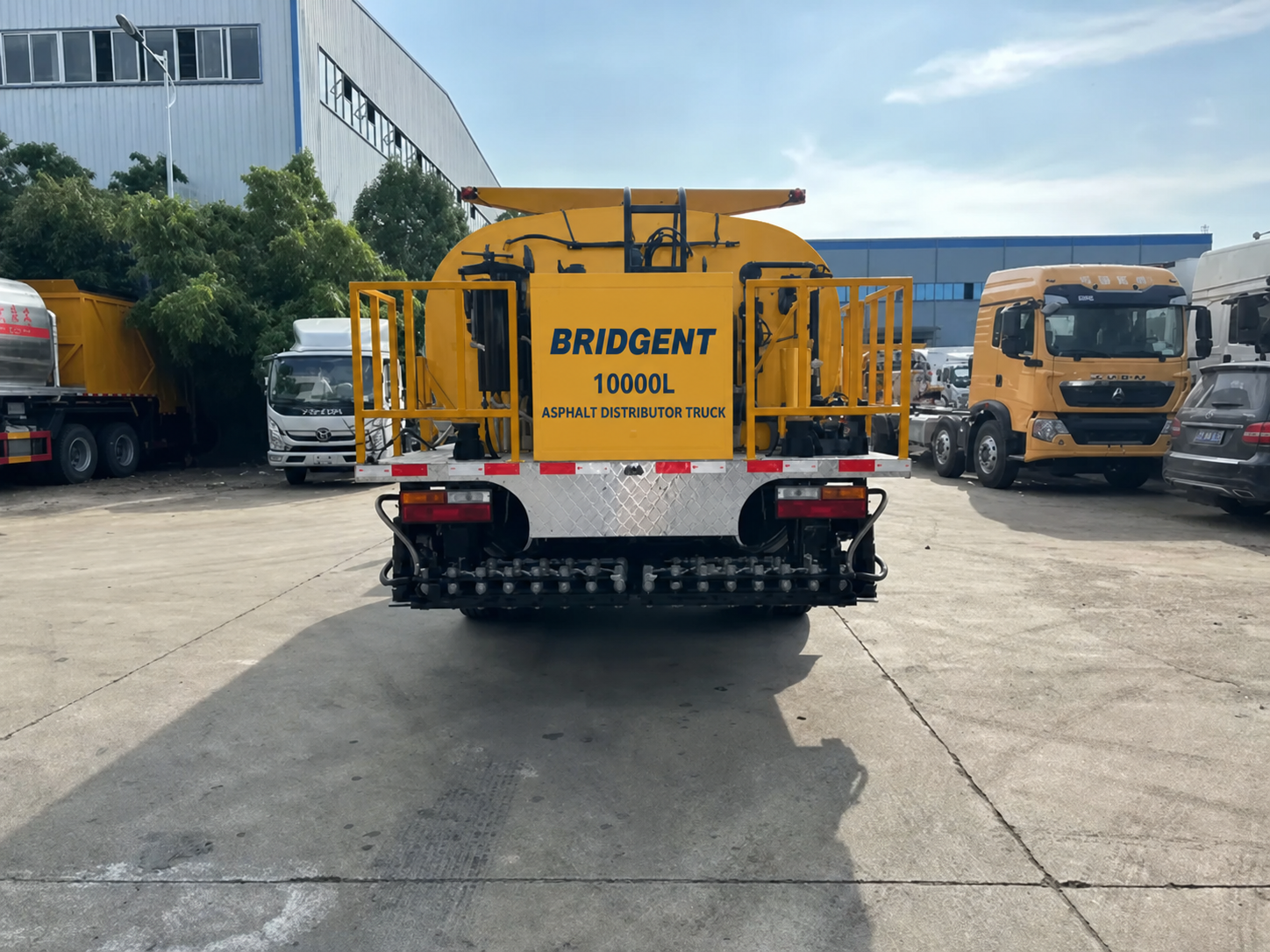
The primary materials for a chip seal are an asphalt emulsion or cutback asphalt and crushed aggregate. The aggregate size typically ranges from 3/8 inch to 1/2 inch, depending on the desired texture and traffic volume. Application requires specialized equipment, including an asphalt distributor truck to spray the binder, a chip spreader to uniformly apply the aggregate, and pneumatic-tired rollers for compaction. The quality of the equipment, such as those offered by Bridgent Technology, plays a significant role in the success and longevity of the treatment.
Cost Per Square Meter
The cost of a chip seal can vary widely based on regional material prices, labor rates, project size, and the type of binder and aggregate used. On average, the chip seal vs slurry seal cost analysis often shows chip seals to be in the range of $1.50 to $3.00 per square meter. This cost typically includes materials, equipment, and labor. Larger projects often benefit from economies of scale, driving the per-square-meter cost down.
Equipment Needs
As mentioned, specialized equipment is essential. This includes: * Asphalt Distributor: For precise and uniform application of the binder. * Chip Spreader: To ensure even distribution of aggregate. * Pneumatic Rollers: For proper embedment of chips. * Broom Sweepers: To remove loose aggregate after curing.
Traffic Reopening Time
One of the drawbacks of chip seals is the relatively longer traffic reopening time. After the aggregate is applied and rolled, a curing period is necessary for the binder to set and for excess chips to be swept. This can range from a few hours to a full day, depending on weather conditions and the type of binder. Traffic can be allowed sooner, but often at reduced speeds to prevent aggregate dislodgement.
Lifespan and Ideal Application Scenarios
A properly constructed chip seal can extend pavement life by 5 to 7 years, sometimes even longer. It is particularly effective in: * Sealing minor cracks: Preventing water infiltration. * Restoring skid resistance: Improving safety on worn surfaces. * Protecting against oxidation and weathering: Preserving the underlying pavement structure. * Low to medium traffic volume roads: Where the coarser texture is less disruptive.
Slurry Seal: A Smooth, Dense Surface
A slurry seal is a mixture of asphalt emulsion, fine aggregate, mineral filler, and water. This mixture is applied as a thin, uniform layer over an existing asphalt pavement surface. Unlike chip seals, slurry seals create a smooth, dense, and impermeable surface that is highly resistant to water penetration.
Material Requirements and Application
Slurry seals utilize a finer aggregate than chip seals, typically sand or finely crushed stone, combined with a specialized asphalt emulsion. The mixture is produced on-site by a mobile mixing unit and spread over the pavement using a spreader box. The application is a continuous process, resulting in a seamless finish. The precision of the mixing and spreading equipment is paramount for a high-quality slurry seal.
Cost Per Square Meter
In the chip seal vs slurry seal cost comparison, slurry seals generally fall into a similar or slightly higher price range. Typical costs are between $2.00 to $4.00 per square meter, again influenced by local material costs, labor, and project scale. The slightly higher cost can often be justified by its smoother finish and quicker traffic return.
Equipment Needs
Key equipment for slurry seal application includes: * Slurry Machine (Paver): A self-contained unit that mixes and spreads the slurry. * Support Vehicles: For transporting materials.
Traffic Reopening Time
One of the significant advantages of slurry seals is their rapid curing time. Traffic can often be reopened within 1 to 4 hours after application, depending on ambient temperature and humidity. This minimizes disruption to traffic flow, making it an attractive option for high-volume roads or urban areas.
Lifespan and Ideal Application Scenarios
Slurry seals typically provide an extended pavement life of 4 to 6 years. They are best suited for: * Filling minor surface voids and cracks: Creating a uniform surface. * Improving ride quality: Due to their smooth finish. * Enhancing aesthetics: Providing a fresh, black appearance. * High traffic volume roads and urban environments: Where minimal traffic disruption and a smooth surface are priorities.
Side-by-Side Comparison: Chip Seal vs. Slurry Seal
To further clarify the distinctions, the following table provides a side-by-side comparison of key factors:
| Feature | Chip Seal | Slurry Seal | | :--------------------- | :--------------------------------------------- | :----------------------------------------------- | | Primary Function | Waterproofing, skid resistance, oxidation protection | Surface sealing, crack filling, ride quality, aesthetics | | Materials | Asphalt binder, larger aggregate (chips) | Asphalt emulsion, fine aggregate (sand), mineral filler, water | | Texture | Coarse, textured | Smooth, dense | | Cost/sq meter | $1.50 - $3.00 | $2.00 - $4.00 | | Equipment | Distributor, chip spreader, rollers, brooms | Slurry machine (paver), support vehicles | | Traffic Reopening | Several hours to a full day | 1-4 hours | | Lifespan | 5-7 years | 4-6 years | | Crack Sealing | Seals minor cracks | Fills minor cracks and surface voids | | Skid Resistance | Excellent, especially on worn surfaces | Good, provides a fresh surface | | Ride Quality | Can be slightly rougher | Smoother | | Best Application | Low to medium traffic, rural roads, oxidation | High traffic, urban areas, residential streets |
When to Choose Each Treatment
The decision between a chip seal and a slurry seal hinges on several factors, including the existing pavement condition, traffic volume, budget constraints, desired aesthetic, and operational considerations like traffic disruption.
Choosing Chip Seal
Opt for a chip seal when: * The primary concern is waterproofing and preventing oxidation of an aging pavement. * There is a need to restore skid resistance on a polished or worn surface. * The road experiences low to medium traffic volumes, where the coarser texture is acceptable. * Budget considerations favor a slightly lower initial cost, and a longer traffic reopening time is manageable. * The pavement has minor to moderate cracking that needs sealing.
Choosing Slurry Seal
Select a slurry seal when: * The goal is to improve ride quality and aesthetics, providing a smooth, uniform surface. * Minimizing traffic disruption is a high priority, such as in urban or high-volume areas. * The pavement has numerous minor surface cracks and voids that need filling. * A fresh, black appearance is desired to enhance the visual appeal of the road. * The existing pavement is in relatively good structural condition but requires surface rejuvenation.
For optimal results, it's crucial to assess the pavement's condition thoroughly and consult with experienced pavement engineers. Manufacturers like Bridgent offer a range of equipment and materials tailored for both applications, ensuring that the chosen solution is implemented effectively.
Key Takeaways
Both chip seals and slurry seals are valuable tools in pavement preservation, each with distinct advantages. Chip seals offer robust waterproofing and excellent skid resistance, typically at a slightly lower cost, but with longer traffic disruption. Slurry seals provide a smoother finish, quicker traffic reopening, and are ideal for filling minor surface imperfections. The choice between them depends on a careful evaluation of pavement condition, traffic demands, budget, and desired performance outcomes. By understanding the nuances of chip seal vs slurry seal cost and performance, road authorities can implement strategic preservation programs that maximize pavement life and ensure safe, efficient transportation networks.
Discuss Your Project
Contact Bridgent for equipment specifications and a project-specific quotation.