Technical Guide · 2024-04-15 · 7 min read
Introduction to Chip Seal Over Recycled Asphalt Pavement (RAP)
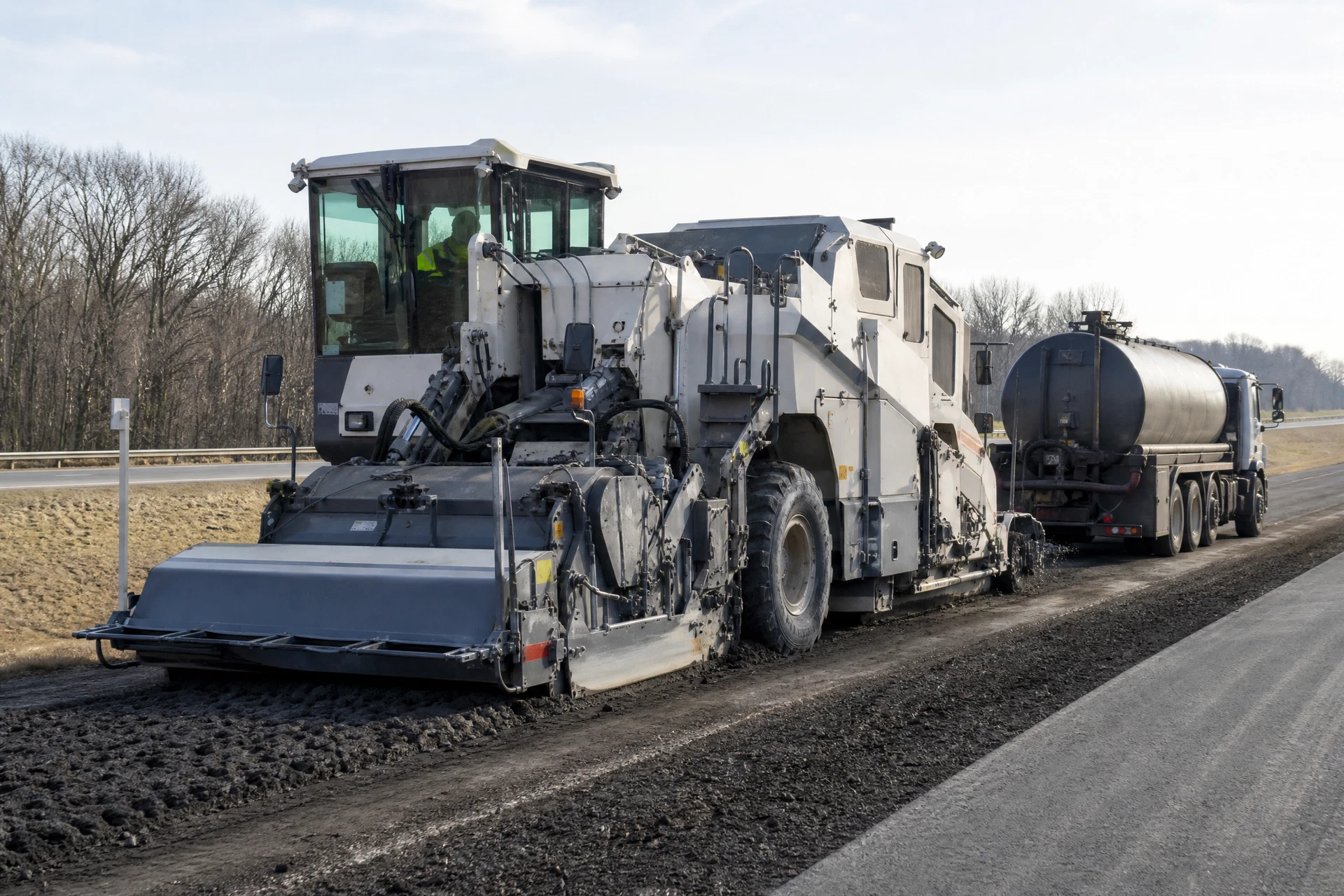
As the road construction and maintenance industry increasingly prioritizes sustainability and cost-efficiency, the use of Recycled Asphalt Pavement (RAP) has become a cornerstone of modern pavement management. While RAP is commonly used in hot-mix asphalt (HMA) and cold-mix applications, its integration into pavement preservation treatments, specifically chip seals, is gaining significant traction. A chip seal over recycled asphalt pavement offers a robust, economical, and environmentally friendly solution for extending the life of existing roadways.
However, applying a chip seal over a RAP surface or utilizing RAP as the aggregate in a chip seal presents unique engineering challenges. The compatibility between the asphalt emulsion and the recycled materials, the necessity for rigorous surface preparation, and the precise calibration of application rates are critical factors that determine the success of the treatment. This technical guide explores the intricacies of chip seal applications involving RAP, providing actionable insights for road engineers, procurement managers, and government agencies.
Compatibility: Bonding Chip Seal to RAP Surfaces
The fundamental question when considering a chip seal over recycled asphalt pavement is compatibility: will the new asphalt binder adhere effectively to the aged, oxidized bitumen present in the RAP? The short answer is yes, but it requires careful material selection and engineering.
RAP surfaces inherently possess a lower surface energy compared to virgin asphalt pavements due to the oxidation and hardening of the original binder over time. This can potentially hinder the wetting and adhesion of the new asphalt emulsion. To overcome this, specialized polymer-modified emulsions (PMEs) or rejuvenating emulsions are often employed. These advanced binders are formulated to penetrate the aged surface, soften the existing oxidized asphalt, and create a strong, cohesive bond.
Furthermore, when RAP is used as the aggregate (chips) in the seal coat itself, the residual asphalt on the RAP particles can actually enhance the bond with the applied emulsion. The existing binder on the RAP chips can fuse with the new emulsion, creating a monolithic seal that exhibits excellent stone retention and durability. Companies like Bridgent are at the forefront of developing equipment and technologies that optimize the application of these specialized binders, ensuring maximum compatibility and performance.
Critical Surface Preparation for RAP Chip Seals
Surface preparation is arguably the most critical phase in any chip seal project, and it becomes even more paramount when dealing with recycled asphalt pavement. A poorly prepared RAP surface will inevitably lead to premature failure, regardless of the quality of the materials used.
Cleaning and Sweeping
The RAP surface must be meticulously cleaned before the binder is applied. Dust, dirt, and loose fines act as a bond breaker between the emulsion and the pavement. High-powered mechanical brooms and vacuum sweepers should be used to remove all deleterious materials. If the RAP surface was recently milled or placed, it may require multiple sweeping passes to ensure a dust-free substrate.
Crack Sealing and Patching
Any existing distresses in the RAP base must be addressed prior to chip sealing. Cracks wider than 1/4 inch (6 mm) should be routed, cleaned, and sealed with a high-quality, hot-applied crack sealant. Potholes, localized base failures, and areas of severe alligator cracking must be excavated and patched with appropriate hot or cold-mix asphalt. A chip seal is a surface treatment designed to seal and protect; it will not bridge significant structural deficiencies.
Moisture Control
While asphalt emulsions require a damp surface for optimal wetting, excessive moisture is detrimental. The RAP surface should be surface-dry before application. If the RAP has been recently exposed to heavy rain, sufficient time must be allowed for the moisture to evaporate from the porous structure of the recycled material.
Adjusting Asphalt Application Rates for RAP
One of the most significant technical adjustments when applying a chip seal over recycled asphalt pavement, or when using RAP chips, is the calibration of the asphalt binder application rate. Standard application rates used for virgin aggregates and pavements often need to be modified.
The "R Factor" and Binder Absorption
RAP surfaces and RAP aggregates typically have different absorption characteristics compared to virgin materials. Because RAP particles are already coated with aged asphalt, they generally absorb less of the new emulsion. If standard application rates are used, the excess binder can lead to bleeding, flushing, and a loss of skid resistance.
Conversely, if the RAP surface is highly oxidized and porous, it may require a slightly higher application rate to satisfy the surface demand before the chips are applied.
Field Testing and Calibration
To determine the optimal application rate, field test sections are essential. For example, pilot projects have demonstrated that when using RAP chips, the emulsion application rate can often be reduced. In a North Dakota Department of Transportation (NDDOT) study, the standard application rate of 0.40 Gal/SY for virgin chips was successfully reduced to 0.32 Gal/SY when using RAP chips, while maintaining excellent performance.
Engineers must utilize chip seal design methodologies, such as the McLeod method, and adjust the variables based on the specific properties of the RAP being used. Continuous monitoring and calibration of the asphalt distributor truck, utilizing precision equipment like that manufactured by Bridgent, are vital to ensure the correct rate is consistently applied.
Aggregate Selection: Using RAP as Chips
The use of fractionated RAP as the aggregate in a chip seal is an innovative approach that maximizes resource recovery. However, not all RAP is suitable for use as chip seal aggregate.
Gradation and Processing
RAP must be carefully processed, crushed, and screened to meet strict gradation requirements. For chip seals, a single-sized, cubical aggregate is preferred to ensure uniform embedment and a consistent surface texture. The RAP must be screened to remove excess fines (material passing the No. 200 sieve), as fines will absorb the emulsion and prevent it from bonding with the larger chips.
Physical Properties
The physical properties of the RAP aggregate, such as its angularity and resistance to degradation, must be evaluated. While the residual asphalt on the RAP chips can improve bonding, the underlying aggregate must still possess sufficient hardness to withstand traffic loads and resist polishing.
Application Rates for RAP Chips
As noted earlier, the application rate for RAP chips is often lower than that for virgin aggregates. In the NDDOT study, the aggregate application rate was reduced from 23 lb/SY for virgin chips to 21 lb/SY for RAP chips. This reduction is partly due to the lower specific gravity of the RAP (due to the asphalt coating) and its unique packing characteristics.
Performance Data: RAP vs. Virgin Asphalt Pavement
The ultimate measure of a chip seal over recycled asphalt pavement is its long-term performance in the field. Extensive research and pilot projects conducted by various Departments of Transportation (DOTs) and the Federal Highway Administration (FHWA) have provided compelling data.
Durability and Stone Retention
When properly designed and constructed, chip seals utilizing RAP (either as the substrate or the aggregate) exhibit durability and stone retention comparable to conventional chip seals. The fusion between the new emulsion and the residual asphalt in the RAP creates a strong, resilient matrix that effectively resists raveling and aggregate loss.
Skid Resistance and Ride Quality
Chip seals over RAP provide excellent macrotexture, resulting in high skid resistance, which is crucial for roadway safety. While chip seals inherently produce a rougher ride than a new HMA overlay, the ride quality of a RAP chip seal is indistinguishable from a conventional chip seal.
Cost-Effectiveness and Sustainability
The most significant advantage of incorporating RAP into chip seal operations is the economic and environmental benefit. By utilizing recycled materials, agencies can significantly reduce the cost of aggregates and, in some cases, reduce the required volume of asphalt emulsion. This allows for the preservation of more lane-miles within a constrained budget. Furthermore, the reduction in mining, processing, and transporting virgin aggregates substantially lowers the carbon footprint of the pavement preservation program.
Key Takeaways
Chip seal applications over Recycled Asphalt Pavement (RAP) represent a highly effective, sustainable, and economically viable pavement preservation strategy. The success of this treatment relies heavily on understanding the unique properties of RAP and making necessary engineering adjustments. Meticulous surface preparation, precise calibration of binder application rates to account for RAP's absorption characteristics, and careful processing of RAP aggregates are non-negotiable requirements. When executed with precision and supported by advanced application technology from industry leaders like Bridgent, chip seals on RAP surfaces deliver performance, durability, and safety that rival traditional virgin asphalt treatments, ensuring the longevity of our critical road infrastructure.
Discuss Your Project
Contact Bridgent for equipment specifications and a project-specific quotation.