Application Guide · 2024-04-28 · 8 min read
Understanding Chip Seal for Parking Lots and Low-Speed Areas
Chip seal, a common pavement preservation technique, is widely utilized on rural roads and highways to extend pavement life and provide a new wearing surface. However, its suitability for parking lots and other low-speed, high-stress areas is often debated among pavement engineers and facility managers. While offering a cost-effective solution, chip seal presents unique challenges in these environments that necessitate careful consideration of specifications, limitations, and potential alternatives.
What is Chip Seal?
Chip seal, also known as seal coat or surface treatment, involves applying a thin layer of asphalt emulsion to an existing pavement surface, followed by a layer of aggregate (chips) that is then rolled to embed it into the binder. The excess aggregate is swept away, leaving a new, durable surface. This process seals minor cracks, improves skid resistance, and protects the underlying pavement from water intrusion and oxidation. It is a preventative maintenance treatment, not a structural repair.
The Case for Chip Seal in Parking Lots: Pros and Cons
Advantages: Low Cost and Rapid Application
One of the primary appeals of chip seal for parking lots is its cost-effectiveness. Compared to asphalt overlays or complete reconstruction, chip seal offers a significantly lower initial investment. This makes it an attractive option for budget-conscious municipalities or private entities managing large parking facilities. The application process is also relatively quick, minimizing disruption to traffic flow and business operations. Furthermore, the new aggregate surface can enhance skid resistance, which can be beneficial in certain low-speed scenarios.
Disadvantages: Loose Aggregate and Tire Pickup
Despite its economic benefits, chip seal introduces several notable drawbacks when applied to parking lots and areas with frequent turning movements or heavy braking. The most significant issue is the presence of loose aggregate. While sweeping removes most excess chips, some inevitably remain, leading to:
* Tire Pickup and Tracking: Loose chips can be picked up by vehicle tires and tracked into adjacent areas, including buildings, sidewalks, and other paved surfaces. This creates a nuisance, requires additional cleaning, and can damage flooring. * Pedestrian Discomfort: Walking on a chip-sealed surface can be uncomfortable due and unstable for pedestrians, especially those with mobility challenges. * Damage Potential: Loose stones can be propelled by vehicle tires, potentially damaging vehicles or windows. * Aesthetics: The rough, uneven texture of chip seal may not be aesthetically pleasing for commercial or retail parking lots where appearance is important.
Modified Specifications for Low-Speed Areas
To mitigate some of the inherent problems of chip seal in low-speed environments, specific modifications to application techniques and material specifications can be considered. These adjustments aim to improve aggregate retention and reduce the amount of loose material.
Binder Application Rate
For low-speed areas, a slightly higher asphalt emulsion application rate may be used to ensure better embedment of the aggregate. This helps to “lock in” the chips more effectively, reducing the likelihood of dislodgement. However, excessive binder can lead to bleeding, where asphalt rises to the surface, creating a slick, black appearance and potentially reducing skid resistance.
Aggregate Type and Size
The choice of aggregate is critical. Smaller, more uniform aggregate sizes (e.g., 3/8 inch or 1/4 inch) are generally preferred over larger chips for parking lots. Using angular, crushed aggregate rather than rounded gravel can also improve interlock and retention. Some specifications might even call for pre-coated aggregate, which has a thin film of asphalt already applied, enhancing adhesion to the binder.
Enhanced Rolling and Sweeping
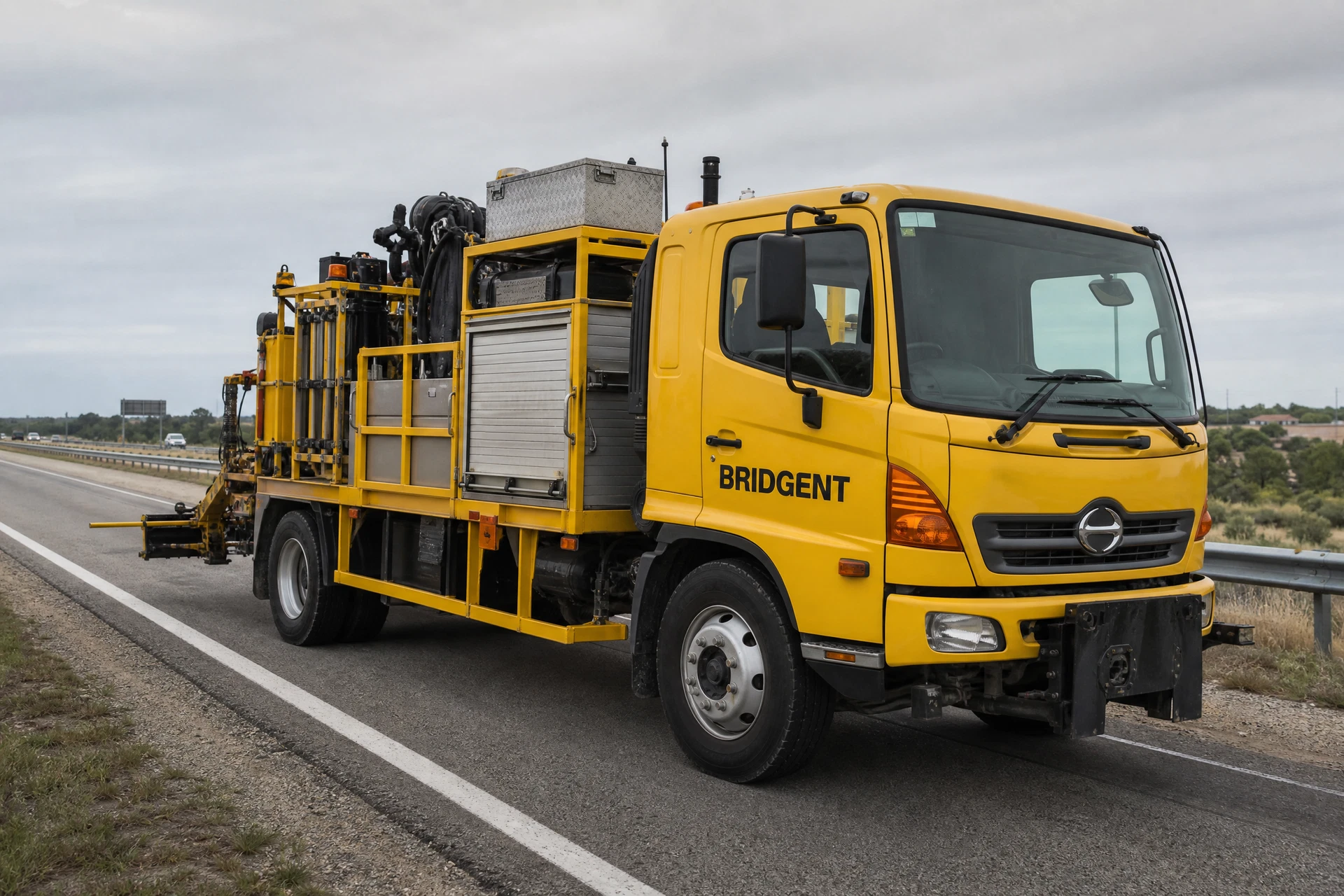
More intensive rolling immediately after chip application, using pneumatic tire rollers, can help embed the aggregate more firmly. Multiple passes and sufficient roller weight are essential. Subsequent sweeping operations should also be more thorough and potentially repeated over several days to remove as much loose aggregate as possible. Equipment from manufacturers like Bridgent Technology often features advanced sweeping mechanisms designed for optimal chip retention.
Curing Time
Allowing adequate curing time before opening the area to traffic is crucial. This permits the emulsion to break and the binder to fully develop its adhesive properties. In cooler temperatures or higher humidity, extended curing times may be necessary.
Alternatives to Chip Seal for Parking Lots
Given the limitations of chip seal in parking lots, several alternative pavement preservation treatments offer superior performance in these specific applications. These alternatives generally provide a smoother, more durable surface with minimal loose aggregate.
Slurry Seal
Slurry seal is a mixture of asphalt emulsion, fine aggregate, mineral filler, and water. It is applied as a thin, uniform layer over an existing asphalt surface. Slurry seal is ideal for parking lots because it:
* Provides a smooth surface: No loose aggregate, eliminating tire pickup and pedestrian discomfort. * Seals cracks: Effectively seals hairline cracks and minor surface imperfections. * Restores appearance: Creates a uniform, black surface that significantly improves the aesthetic appeal of the parking lot. * Cost-effective: While slightly more expensive than chip seal, it is still a highly economical option compared to overlays.
Micro-Surfacing
Micro-surfacing is a more robust version of slurry seal, using a polymer-modified asphalt emulsion and higher quality aggregate. It can be applied in thicker lifts and is suitable for areas with higher traffic volumes and more severe distresses. Key benefits include:
* Enhanced durability: Polymer modification provides greater flexibility and resistance to rutting and cracking. * Improved skid resistance: Can be designed to offer excellent friction properties. * Corrects minor rutting: Capable of filling shallow ruts, improving ride quality. * Rapid return to service: Specially formulated emulsions allow for quick curing and reopening to traffic.
Bridgent offers specialized equipment for both slurry seal and micro-surfacing applications, ensuring precise material mixing and uniform distribution for optimal results in high-traffic areas.
When Does Chip Seal Make Sense for Parking Lots?
Despite the general preference for slurry seal or micro-surfacing in most parking lot scenarios, there are specific situations where chip seal might still be a viable and appropriate choice:
* Remote or Low-Use Parking Areas: For parking lots in remote locations, overflow parking, or those with very infrequent traffic, the issues of loose aggregate and aesthetics may be less critical. The cost savings of chip seal could outweigh its drawbacks. * Temporary Parking Facilities: If a parking lot is intended for short-term use (e.g., 1-3 years) before a more permanent solution is implemented, chip seal can provide a quick, inexpensive surface. * Gravel Lot Conversion: In some cases, chip seal can be used as an initial step to convert a gravel lot into a paved surface, offering dust control and a more stable base before a final, smoother wearing course is applied. * Specific Industrial Applications: In certain industrial settings where aesthetics are not a concern and the primary goal is simply to protect the base from water and provide a sacrificial wearing course, chip seal could be considered.
Key Takeaways
While chip seal offers a low-cost pavement preservation option, its application in parking lots and low-speed areas presents significant challenges due to loose aggregate and potential for tire pickup. Modified specifications can mitigate some issues, but alternatives like slurry seal and micro-surfacing generally provide superior performance, aesthetics, and user experience for most parking facilities. Engineers and facility managers should carefully weigh the specific needs, traffic patterns, and budget constraints of each project to determine the most appropriate pavement treatment, considering chip seal primarily for very low-use or temporary applications where its cost advantage is paramount.
Discuss Your Project
Contact Bridgent for equipment specifications and a project-specific quotation.