Buying Guide · 2024-06-02 · 8 min read
Chip sealing is a cost-effective and widely adopted pavement preservation technique, crucial for extending the lifespan of asphalt roads and preventing more extensive, expensive repairs. For road engineers, procurement managers, and government agencies, a precise understanding of the chip seal cost per kilometer is paramount for accurate budget planning and project execution. This article provides a comprehensive breakdown of the key cost components, regional variations, and strategies to optimize expenditures.
Understanding the Core Components of Chip Seal Cost
The total cost of a chip seal project per lane-kilometer is influenced by several factors, primarily categorized into materials, equipment, labor, and ancillary expenses. Each component contributes significantly to the overall budget, and their relative proportions can vary based on local conditions, material availability, and project scale.
Asphalt Emulsion Costs
Asphalt emulsion serves as the binder that adheres the aggregate chips to the existing pavement. Its cost is a major determinant in the overall project budget. Factors influencing emulsion costs include:
* Type of Emulsion: Cationic (CSS-1h, CRS-2) and anionic emulsions have different properties and price points. Polymer-modified emulsions, offering enhanced performance and durability, typically command a higher price. * Binder Content: The application rate of emulsion, usually measured in liters per square meter (L/m²), directly impacts material consumption. Typical rates range from 0.9 to 1.5 L/m², depending on the existing surface condition and aggregate type. * Market Price of Asphalt: Global crude oil prices and regional refining capacities significantly affect the cost of asphalt binders. * Transportation: Distance from the emulsion plant to the project site adds to the cost.
Aggregate Costs
Aggregates are the stone chips spread over the emulsion. Their quality, type, and availability are critical cost drivers.
* Aggregate Type: Crushed stone, gravel, or slag can be used. Hard, durable, and angular aggregates are preferred for better interlocking and skid resistance. * Gradation: Uniformly graded aggregates (e.g., 6mm, 10mm, 13mm) are essential for proper chip retention and surface texture. Finer aggregates generally cost less but require higher application rates. * Application Rate: Typically ranges from 10 to 18 kilograms per square meter (kg/m²). This rate is influenced by aggregate size, shape, and the desired surface texture. * Quarry Location and Haul Distance: Proximity to a suitable quarry minimizes transportation costs, which can be substantial for bulk materials. * Washing and Crushing: Aggregates may require washing to remove dust and crushing to achieve desired angularity, adding to processing costs.
Equipment Operating Costs
Specialized equipment is necessary for efficient chip seal application. These costs include fuel, maintenance, depreciation, and rental fees.
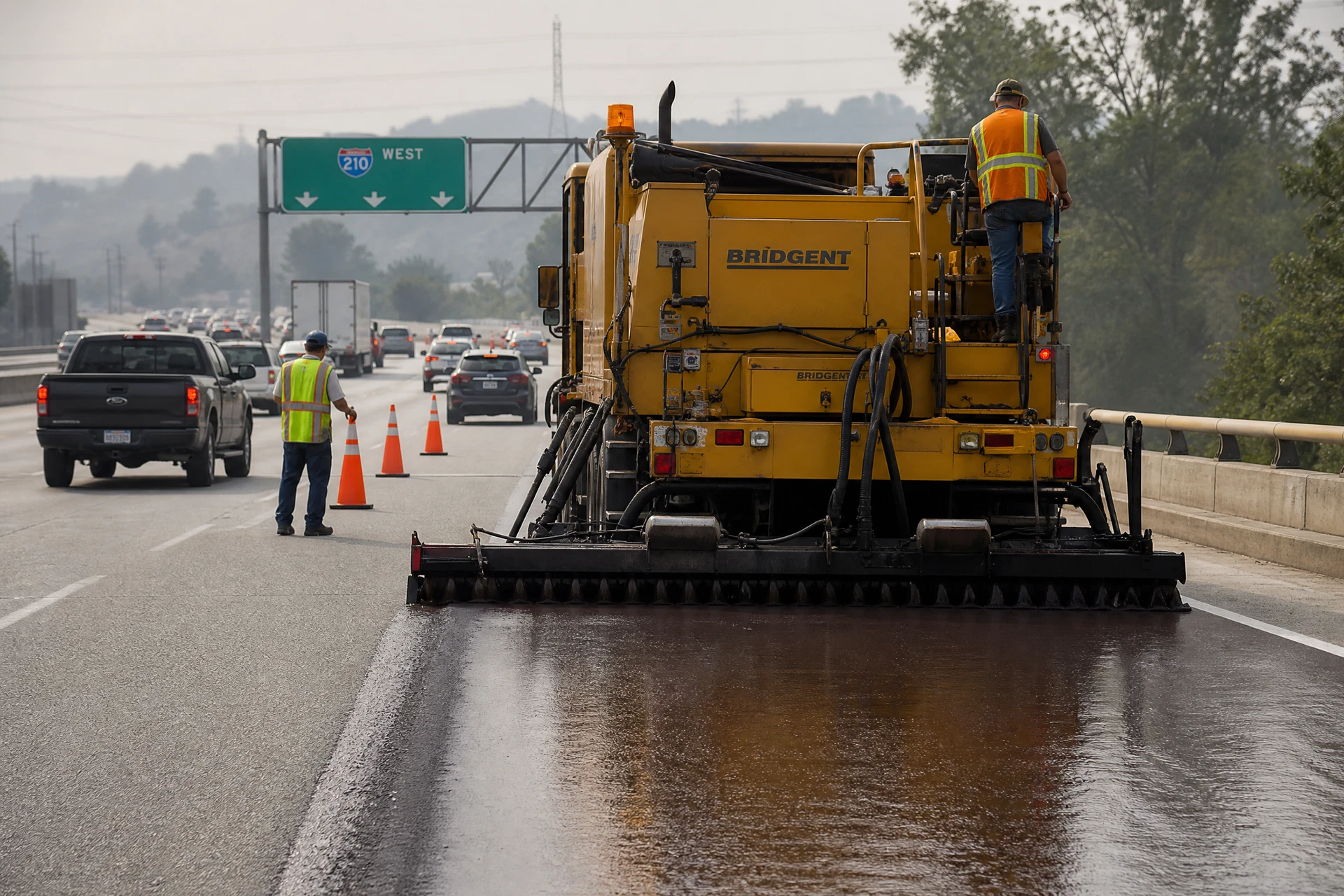
* Asphalt Distributor: Applies the emulsion uniformly. Modern distributors, like those offered by Bridgent Technology, feature computerized controls for precise application rates, minimizing waste and ensuring quality. * Chip Spreader: Distributes aggregates evenly over the emulsion. Automated spreaders improve efficiency and consistency. * Rollers: Pneumatic tire rollers are used to embed the chips into the emulsion. The number and type of rollers depend on the project size and desired compaction. * Broom Sweepers: Used to remove loose chips after curing. Mechanical or vacuum sweepers are common. * Support Vehicles: Water trucks, pilot cars, and flagger vehicles.
Regular maintenance and efficient operation are key to controlling these costs. Investing in reliable equipment, such as the robust machinery from Bridgent, can lead to lower long-term operating expenses.
Labor Costs
Labor expenses encompass the wages and benefits for the crew involved in the chip seal operation.
* Crew Size: A typical chip seal crew can range from 8 to 15 personnel, including foremen, equipment operators, flaggers, and laborers. * Wage Rates: Vary significantly by region, country, and union agreements. * Productivity: Experienced crews can complete projects more efficiently, reducing overall labor hours per kilometer. * Overtime: Can significantly increase labor costs if project schedules are tight.
Traffic Control and Safety
Ensuring the safety of workers and the public during road construction is non-negotiable, but it comes with associated costs.
* Signage and Barricades: Temporary traffic signs, cones, and barricades. * Flaggers/Traffic Controllers: Personnel dedicated to directing traffic. * Pilot Cars: Guide vehicles through the work zone. * Public Information: Costs associated with informing the public about road closures or delays.
Mobilization and Demobilization
These costs cover the expenses of transporting equipment, materials, and personnel to the project site and then removing them upon completion.
* Equipment Transport: Hauling heavy machinery to and from the site. * Personnel Travel and Accommodation: For projects in remote areas. * Setup and Teardown: Time and labor involved in preparing the site and packing up.
Regional Cost Variations (Per Lane-Kilometer)
The chip seal cost per kilometer can vary dramatically across different regions due to disparities in material availability, labor rates, equipment access, and regulatory environments. Below are estimated ranges, which should be considered indicative and subject to local market fluctuations.
| Region | Estimated Cost Range (USD per Lane-KM) | | :-------------- | :------------------------------------- | | Africa | $8,000 - $15,000 | | Asia | $7,000 - $14,000 | | Latin America | $9,000 - $18,000 |
These ranges reflect the diverse economic conditions. In regions like Africa and parts of Asia, lower labor costs might be offset by higher material import costs or less developed infrastructure for material sourcing. Latin America, with its varied topography and sometimes challenging logistics, can see higher mobilization costs.
Strategies to Reduce Unit Costs
Optimizing the chip seal cost per kilometer requires strategic planning and efficient execution.
1. Local Material Sourcing
Prioritize sourcing asphalt emulsion and aggregates from local suppliers to minimize transportation costs. Conduct thorough material testing to ensure local materials meet specifications.
2. Efficient Equipment Utilization
Maximize the operational efficiency of equipment. Regular maintenance, proper calibration of distributors and spreaders, and skilled operators can reduce material waste and increase daily production rates. Modern equipment from manufacturers like Bridgent Technology, with advanced control systems, can significantly enhance precision and reduce material overuse.
3. Skilled Labor and Training
An experienced and well-trained crew works more efficiently, reduces errors, and improves safety. Investing in training can lead to long-term cost savings through increased productivity and reduced rework.
4. Optimized Design and Application Rates
Tailor the chip seal design (emulsion type, aggregate size, application rates) to the specific pavement condition and traffic volume. Over-application of materials is a common source of waste. Utilize laboratory testing and field trials to determine optimal rates.
5. Project Scheduling and Logistics
Plan projects during favorable weather conditions to avoid delays and rework. Efficient logistics for material delivery and equipment movement can prevent costly downtime.
6. Economies of Scale
Larger projects often benefit from economies of scale, as mobilization and demobilization costs are spread over a greater length of road. Consider bundling smaller projects where feasible.
Key Takeaways
Effective management of chip seal cost per kilometer is vital for sustainable road infrastructure development. By meticulously breaking down material, equipment, labor, and ancillary costs, and by understanding regional variations, agencies can develop more accurate budgets. Implementing strategies such as local material sourcing, efficient equipment utilization, and optimized design can significantly reduce unit costs, ensuring that pavement preservation efforts are both effective and economically sound.
Discuss Your Project
Contact Bridgent for equipment specifications and a project-specific quotation.