Technical Guide · 2024-06-18 · 8 min read
The Evolution of Pavement Technology: Understanding Rubberized Asphalt Emulsion
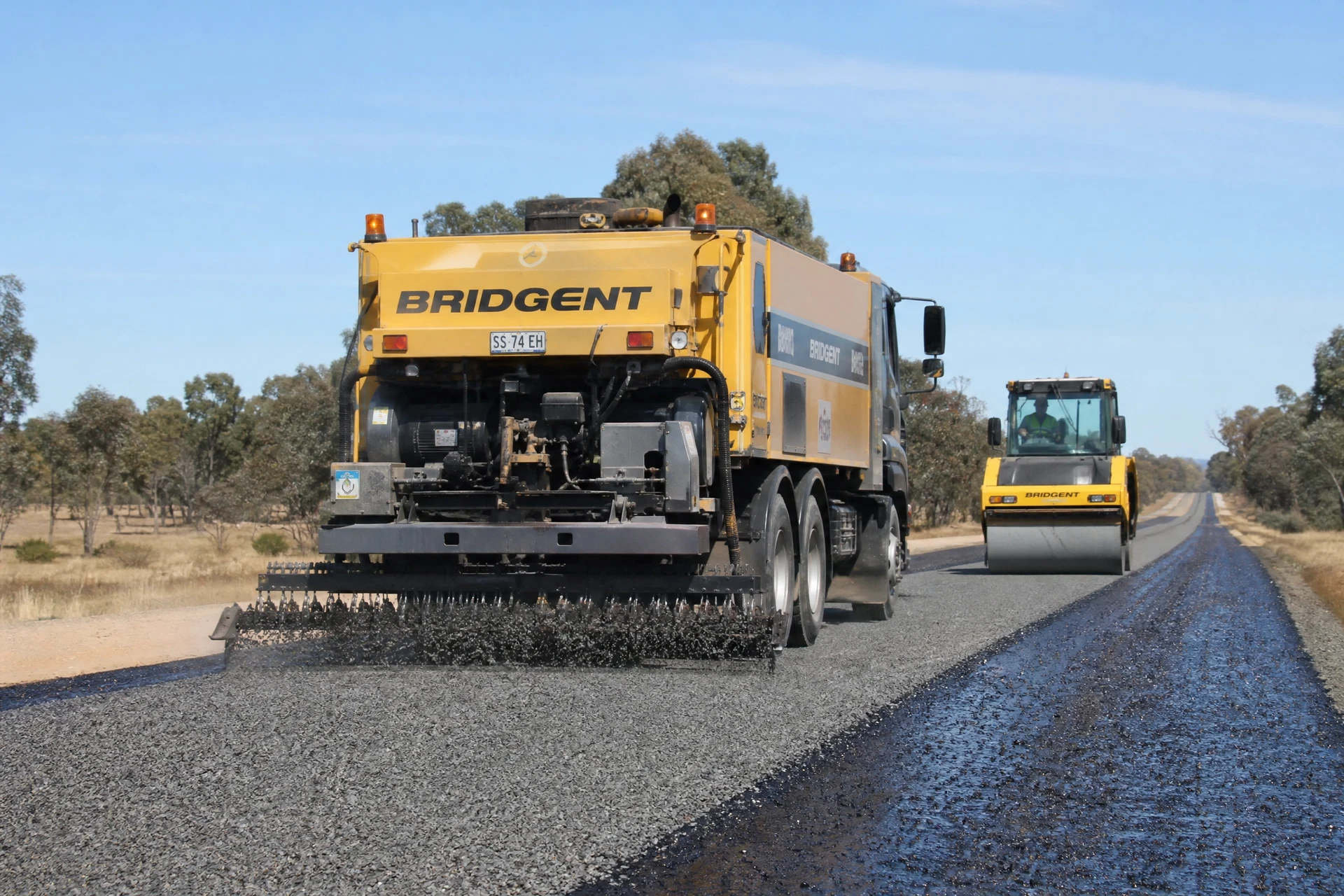
As road infrastructure ages and traffic volumes increase, the demand for more durable and sustainable paving materials grows. Rubberized asphalt emulsion, a sophisticated binder incorporating crumb rubber modifier (CRM), represents a significant advancement in meeting these challenges. This technical guide delves into the production process, the tangible performance benefits, and the specific equipment requirements for manufacturing high-quality rubberized asphalt emulsion, providing essential insights for road engineers, procurement managers, and government agencies.
What is Rubberized Asphalt Emulsion?
Rubberized asphalt emulsion is a modified asphalt binder where finely ground crumb rubber, typically derived from recycled tires, is dispersed within the asphalt phase before emulsification. The crumb rubber modifier (CRM) reacts with the asphalt at elevated temperatures, leading to a polymer-like network that significantly alters the binder's rheological properties. This modification enhances the asphalt's elasticity, viscosity, and resistance to temperature fluctuations, making it ideal for demanding road applications. The emulsification process then disperses this modified asphalt into water, creating a stable, sprayable liquid that can be applied at lower temperatures than hot-mix asphalt.
The Production Process: Integrating Crumb Rubber Modifier
The production of rubberized asphalt emulsion is more complex than standard asphalt emulsion due to the need for efficient and homogeneous incorporation of CRM. It typically involves several critical stages:
1. Crumb Rubber Pre-wetting and Digestion
The first crucial step is the pre-wetting and digestion of the crumb rubber. CRM, being hydrophobic, does not readily mix with asphalt. To facilitate proper integration and reaction, the crumb rubber is often pre-wetted with a small amount of aromatic oil or a specific asphalt flux. This process helps to swell the rubber particles and improve their compatibility with the asphalt binder. Following pre-wetting, the CRM is introduced into a heated asphalt tank, where it undergoes a digestion period, typically at temperatures ranging from 175°C to 200°C (347°F to 392°F) for 45 to 90 minutes. During this phase, the rubber particles absorb components from the asphalt, swell, and partially depolymerize, forming a homogeneous rubber-modified asphalt (RMA) binder. Adequate agitation is essential to prevent settling and ensure uniform dispersion.
2. High-Shear Milling
After digestion, the rubber-modified asphalt binder is passed through a high-shear mill. This is a critical equipment upgrade for rubberized asphalt emulsion production. Unlike conventional colloid mills used for standard emulsions, a high-shear mill provides significantly greater mechanical energy to further reduce the size of the swollen rubber particles and ensure their thorough dispersion within the asphalt matrix. This intense shearing action prevents rubber agglomeration and promotes a more stable and homogeneous blend, which is vital for the long-term performance of the emulsion. Manufacturers like Bridgent Technology offer specialized high-shear milling units designed for optimal CRM integration.
3. Emulsification
Once the rubber-modified asphalt binder is prepared, it proceeds to the emulsification stage. This involves combining the hot RMA binder with a heated aqueous phase (water, emulsifiers, and often a stabilizer like hydrochloric acid or calcium chloride) in a colloid mill. The mill's high-speed rotor and stator create intense shear forces, breaking the RMA binder into microscopic droplets that are then suspended in the aqueous phase. The emulsifiers stabilize these droplets, preventing them from coalescing. The choice of emulsifier type and concentration is critical to achieve the desired emulsion stability, breaking time, and compatibility with aggregates.
4. Storage and Quality Control
The finished rubberized asphalt emulsion is then transferred to storage tanks, where it is typically kept at temperatures between 60°C and 85°C (140°F to 185°F) to maintain stability. Rigorous quality control testing is performed throughout the production process and on the final product. This includes tests for rubber content, viscosity, storage stability, particle charge, sieve residue, and residue properties (penetration, ductility, elastic recovery) to ensure the emulsion meets specified performance criteria.
Equipment Requirements and Upgrades
Producing rubberized asphalt emulsion necessitates specialized equipment beyond a standard emulsion plant. Key upgrades include:
* Crumb Rubber Storage and Feeding System: Automated systems for storing and accurately feeding CRM into the asphalt blending tank. * Rubber Pre-wetting System: Dedicated tanks and pumps for pre-wetting CRM with flux oils, ensuring proper swelling and dispersion. * High-Temperature, High-Shear Blending Tanks: Tanks equipped with powerful agitators and heating coils capable of maintaining high temperatures for the digestion process, often with capacities ranging from 10 to 30 tons. * High-Shear Mill: As mentioned, a specialized mill capable of imparting intense shear to the rubber-modified asphalt. This is distinct from standard colloid mills and is crucial for achieving fine rubber particle dispersion. Bridgent offers robust high-shear mills specifically engineered for this application. * Enhanced Pumping Systems: Pumps capable of handling the higher viscosity of rubber-modified asphalt at elevated temperatures. * Advanced Control Systems: Automated process control for precise temperature management, CRM dosing, and emulsifier injection, ensuring consistent product quality.
Performance Benefits of Rubberized Asphalt Emulsion
The investment in specialized production yields significant performance advantages for pavements:
1. Enhanced Crack Resistance
The increased elasticity and flexibility imparted by the crumb rubber significantly improve the emulsion's ability to resist both thermal cracking (due to temperature cycles) and fatigue cracking (due to repetitive traffic loading). This leads to a longer pavement service life and reduced maintenance needs.
2. Improved Skid Resistance and Noise Reduction
Rubberized asphalt mixtures often exhibit improved aggregate retention and surface texture, contributing to better skid resistance. Furthermore, the viscoelastic properties of rubberized asphalt can help absorb tire noise, leading to a noticeable reduction in traffic-generated noise, a benefit particularly valuable in urban environments.
3. Superior Durability and Longevity
Roads constructed or maintained with rubberized asphalt emulsion demonstrate superior resistance to rutting, shoving, and stripping. This enhanced durability translates into extended pavement life cycles, potentially reducing the frequency of major rehabilitation by 25-50% compared to conventional asphalt applications.
4. Environmental Benefits
Utilizing crumb rubber from recycled tires addresses a significant environmental challenge by diverting waste from landfills. Each ton of rubberized asphalt can incorporate approximately 200-300 scrap tires, contributing to a circular economy in road construction.
Cost Premium and Economic Considerations
The production of rubberized asphalt emulsion typically incurs a cost premium over standard asphalt emulsion, primarily due to:
* Raw Material Cost: Crumb rubber modifier adds to the material cost, although this can be offset by environmental incentives. * Equipment Investment: The specialized high-shear mills and blending systems represent a higher capital expenditure. * Energy Consumption: The higher processing temperatures and longer digestion times require more energy. * Operational Complexity: The more intricate production process may require specialized training and skilled operators.
Despite the higher initial cost, the long-term economic benefits often outweigh the premium. The extended service life, reduced maintenance frequency, and improved pavement performance lead to lower life-cycle costs. For example, a 15-20% increase in initial material cost might result in a 30-40% reduction in total ownership cost over a 20-year pavement life due to deferred rehabilitation.
| Feature | Standard Asphalt Emulsion | Rubberized Asphalt Emulsion | | :------------------------- | :------------------------ | :-------------------------- | | CRM Content | 0% | 10-25% (by weight of binder) | | Production Complexity | Moderate | High | | Equipment Required | Standard colloid mill | High-shear mill, CRM pre-wetting, high-temp blending | | Crack Resistance | Good | Excellent | | Fatigue Life | Standard | Significantly improved | | Rutting Resistance | Good | Very Good | | Noise Reduction | Minimal | Moderate to Significant | | Application Temperature| Ambient to 80°C | Ambient to 85°C | | Cost Premium | Baseline | 15-30% higher | | Life Cycle Cost | Higher | Lower |
Key Takeaways
Rubberized asphalt emulsion represents a robust and sustainable solution for modern road construction and maintenance. Its production, while requiring specialized equipment like high-shear mills and rubber pre-wetting systems, delivers significant performance benefits including enhanced crack resistance, improved durability, and environmental advantages through tire recycling. While a cost premium exists, the long-term life-cycle cost savings and superior pavement performance make rubberized asphalt emulsion a compelling choice for infrastructure projects seeking longevity and resilience. Understanding these technical nuances is crucial for successful implementation and maximizing the benefits of this advanced material.
Discuss Your Project
Contact Bridgent for equipment specifications and a project-specific quotation.