Safety · 2024-06-15 · 7 min read
Highway work zone accidents are a persistent and serious safety problem worldwide. According to the Federal Highway Administration (FHWA), work zone fatalities in the United States average over 700 per year, with many more injuries. Similar statistics are reported in Europe, Australia, and other developed countries. In developing countries, where safety standards are often lower and traffic management less sophisticated, the problem is even more severe.
The most dangerous task in work zone setup is placing and retrieving traffic cones alongside moving traffic. Workers performing this task are exposed to the risk of being struck by vehicles that fail to slow down or change lanes in time. Even with proper personal protective equipment and traffic control, the risk to workers is significant.
How Automated Traffic Cone Trucks Work
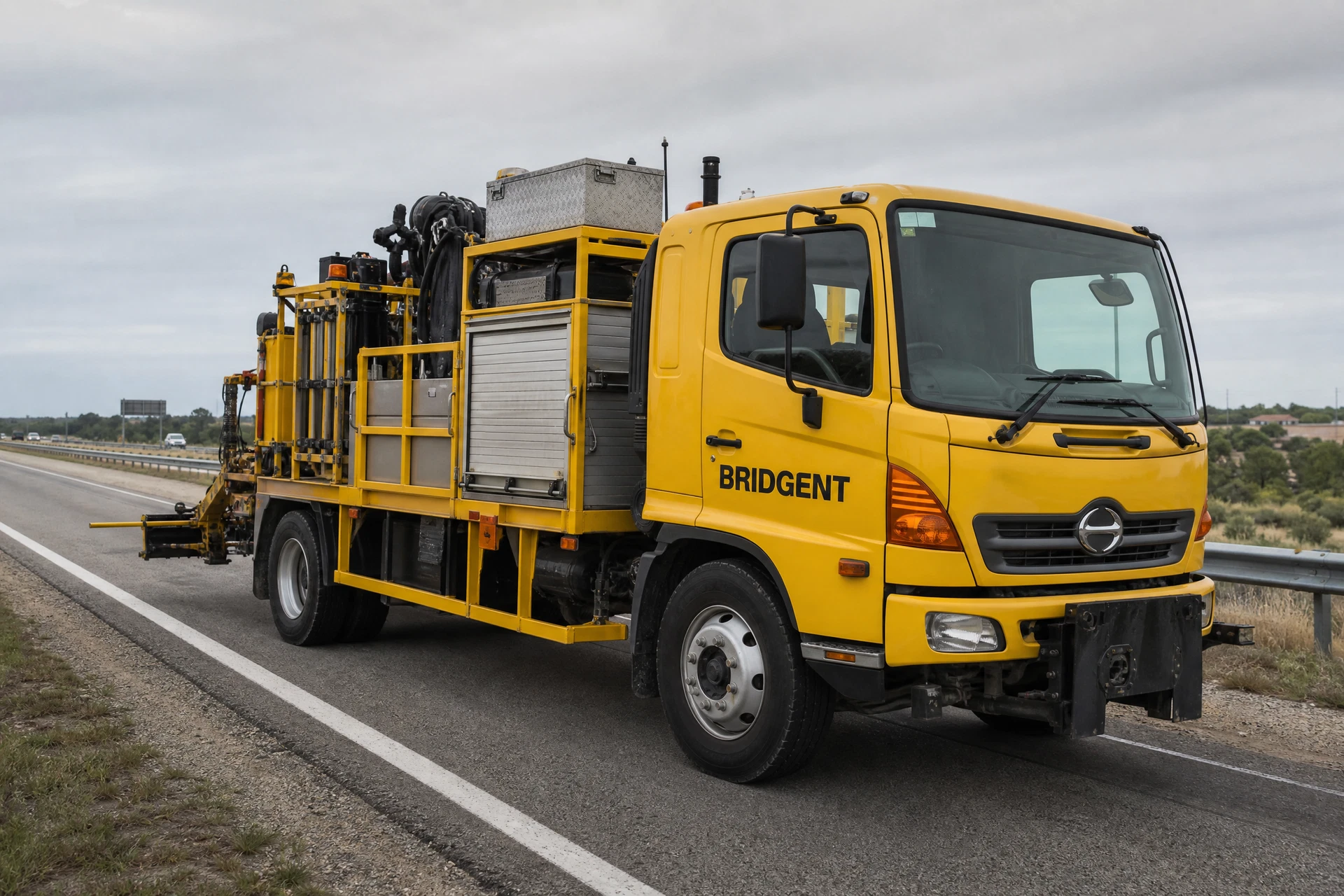
Automated traffic cone trucks use a robotic arm system to place and retrieve traffic cones automatically, eliminating the need for workers to walk alongside moving traffic.
Cone Storage System The truck carries up to 300 traffic cones in an automated storage system. The cones are stacked in the storage system and retrieved by the robot arm as needed.
Robot Arm System The robot arm retrieves cones from the storage system and places them on the road surface at the programmed spacing as the truck moves forward. For cone retrieval, the robot arm picks up cones from the road surface and returns them to the storage system.
Control System The intelligent control system uses computer vision to detect lane markings and road edges, ensuring that cones are placed precisely along the required line. The operator programs the cone placement pattern, spacing, and alignment from the cab, without leaving the vehicle.
Lane Detection The computer vision system detects lane markings and road edges, allowing the truck to place cones precisely along the required line without crossing into active traffic lanes. The system can handle both diagonal (taper) and straight-line cone arrangements.
Safety Benefits
The safety benefits of automated traffic cone trucks are substantial:
- Eliminates worker exposure: Workers remain in the cab throughout the cone placement operation
- Faster placement: Automated placement is faster than manual placement, reducing the duration of the hazardous operation
- More consistent spacing: Automated placement produces more consistent cone spacing than manual placement
- Night operation: Automated systems can operate safely at night without additional lighting for workers
Studies have shown that automated traffic cone placement systems reduce worker exposure to traffic hazards by over 90% compared to manual cone placement methods.
Efficiency Benefits
In addition to safety benefits, automated traffic cone trucks improve operational efficiency:
- Faster setup: Automated placement is typically 2–3 times faster than manual placement
- Fewer workers required: One operator can manage the entire cone placement operation
- Reduced traffic disruption: Faster setup means less time with traffic control in place
- Consistent quality: Automated placement produces more consistent cone spacing and alignment
Applications
Automated traffic cone trucks are suitable for:
- Highway lane closure setup and removal
- Road maintenance work zone establishment
- Construction zone traffic management
- Incident management
- Temporary traffic control for events
Conclusion
Automated traffic cone trucks represent a significant advance in work zone safety technology. By eliminating the need for workers to walk alongside moving traffic during cone placement, they dramatically reduce the risk of worker injuries and fatalities. The combination of improved safety and operational efficiency makes automated traffic cone trucks a compelling investment for highway maintenance authorities and road construction contractors.
Discuss Your Project
Contact Bridgent for equipment specifications and a project-specific quotation.
Topics
- automated traffic cone truck
- work zone safety
- highway safety equipment