Technical Guide · 2024-08-02 · 7 min read
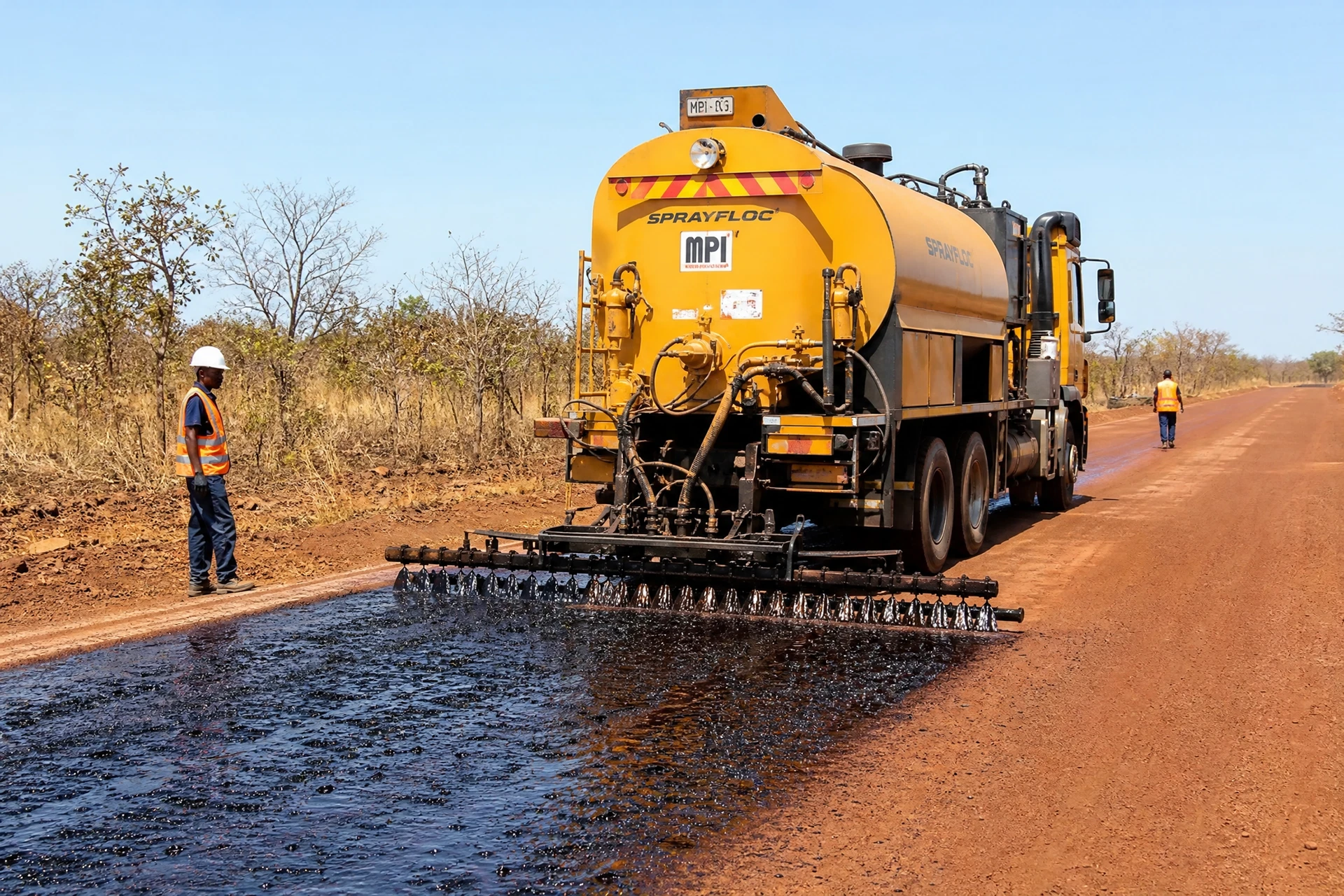
Road construction and maintenance demand precision and efficiency, especially when it comes to asphalt application. Two primary types of equipment dominate this field: the asphalt distributor truck and the pressure distributor. While both serve the fundamental purpose of uniformly applying bituminous materials, their operational mechanisms, technical specifications, and suitability for various applications differ significantly. Understanding these distinctions is crucial for engineers, procurement managers, and government agencies to make informed decisions that impact project quality, cost-effectiveness, and longevity.
Understanding the Core Mechanisms
The fundamental difference between an asphalt distributor truck and a pressure distributor lies in their method of material propulsion and spray. This distinction directly influences their performance characteristics and ideal use cases.
Asphalt Distributor Truck (Gravity-Fed or Pump-Assisted)
Traditionally, many asphalt distributor trucks operate on a gravity-fed system, often augmented by a pump for improved control. In this setup, the bituminous material, heated to a specific temperature, flows from the insulated tank to the spray bar primarily due to gravity. A pump, typically a positive displacement type, assists in maintaining a consistent flow rate and pressure, especially for wider spray widths or higher application rates. The spray bar, equipped with multiple nozzles, atomizes the asphalt onto the road surface.
Key Characteristics: * Simplicity: Generally simpler in design and operation. * Maintenance: Easier to maintain due to fewer complex components. * Pressure Range: Typically operates at lower spray pressures, often ranging from 0.1 to 0.4 MPa (15 to 60 psi). * Viscosity Suitability: More suited for standard asphalt emulsions and cutbacks with lower viscosities.
Pressure Distributor (Pressure-Fed System)
In contrast, a pressure distributor, often a more advanced variant, relies entirely on a robust pumping system to force the bituminous material through the spray bar at high and consistent pressures. This system ensures a finely atomized, uniform spray pattern, which is critical for achieving optimal bond strength between layers. Modern pressure distributors, such as those offered by Bridgent Technology, incorporate sophisticated control systems to precisely manage spray rates and temperatures.
Key Characteristics: * Precision: Offers superior control over spray rate and uniformity. * Pressure Range: Operates at significantly higher spray pressures, typically from 0.4 to 1.0 MPa (60 to 145 psi) or even higher for specialized applications. * Viscosity Suitability: Highly effective for a wider range of bituminous materials, including high-viscosity modified asphalts. * Complexity: More complex hydraulic and control systems, potentially leading to higher initial cost and specialized maintenance.
Spray Pressure Requirements for Different Asphalt Viscosities
The viscosity of the bituminous material is a critical factor determining the required spray pressure for effective application. Viscosity, which is a measure of a fluid's resistance to flow, changes significantly with temperature and material composition.
Standard Asphalt Emulsions and Cutbacks
For standard asphalt emulsions and cutbacks, which typically have lower viscosities at application temperatures (e.g., 20-100 cSt at 50°C), lower spray pressures are generally sufficient. An asphalt distributor truck with a pump-assisted gravity system can often achieve the desired spray pattern and coverage. Pressures in the range of 0.1 to 0.4 MPa are common for these materials, ensuring proper atomization without excessive misting or streaking.
Modified Asphalt and High-Viscosity Binders
Modified asphalts, including polymer-modified asphalt (PMA) and rubberized asphalt, are designed for enhanced performance, such as improved elasticity, fatigue resistance, and durability. However, these materials exhibit significantly higher viscosities at application temperatures (e.g., 500-3000 cSt at 135°C). Applying such high-viscosity binders effectively requires substantially higher spray pressures to achieve proper atomization and a uniform spray fan. Pressure distributors are indispensable for these applications, often operating at pressures between 0.6 to 1.0 MPa or more. The robust pumping and nozzle systems of a pressure distributor are engineered to handle the increased resistance of these materials, ensuring consistent application and optimal pavement performance.
Which System is Better for Modified Asphalt?
When working with modified asphalt, the pressure distributor is unequivocally the superior choice. The inherent characteristics of modified binders—higher viscosity and often a narrower temperature application window—necessitate a distribution system capable of delivering high, consistent pressure and precise control. Gravity-fed or lower-pressure pump-assisted systems found in basic asphalt distributor trucks struggle to atomize these materials effectively, leading to:
* Poor Spray Pattern: Inconsistent coverage, streaking, and uneven film thickness. * Clogging: Higher viscosity materials can more easily clog nozzles at lower pressures. * Reduced Performance: Suboptimal application compromises the enhanced properties of the modified asphalt, negating its benefits.
Bridgent's advanced pressure distributors are specifically engineered to handle the complexities of modified asphalt, providing the necessary pressure and precise flow control for a flawless application.
Cost Implications
The initial investment and operational costs for asphalt distributor trucks and pressure distributors vary, reflecting their technological sophistication and capabilities.
Initial Investment
* Asphalt Distributor Truck: Generally has a lower initial purchase price due to simpler design and fewer advanced components. A basic model might range from $80,000 to $150,000. * Pressure Distributor: Commands a higher initial investment. The advanced pumping systems, precise controls, and robust construction required for high-pressure applications can push prices from $150,000 to $300,000 or more, depending on capacity and features.
Operational Costs
| Cost Factor | Asphalt Distributor Truck (Gravity/Pump-Assisted) | Pressure Distributor | | :------------------ | :------------------------------------------------ | :------------------------------------------------------ | | Fuel Consumption| Potentially lower due to less powerful pumps | Potentially higher due to more powerful hydraulic pumps | | Maintenance | Generally lower; simpler components | Potentially higher; more complex systems and controls | | Parts | Readily available, often less expensive | Specialized parts can be more costly and harder to source | | Labor | Standard operator skills | May require operators with specialized training | | Efficiency | Good for standard materials | Superior for modified asphalts, leading to better material utilization and reduced rework |
While the initial cost of a pressure distributor is higher, its superior efficiency and ability to handle advanced materials can lead to significant long-term savings through reduced material waste, higher quality pavement, and extended pavement life, especially for projects utilizing modified asphalts.
Application Scenarios
The choice between an asphalt distributor truck and a pressure distributor often comes down to the specific application and the type of bituminous material being used.
Ideal for Asphalt Distributor Trucks
* Standard Tack Coats: Applying conventional asphalt emulsions (e.g., SS-1, CSS-1) as tack coats for bonding new asphalt layers to existing surfaces. * Prime Coats: Applying cutback asphalts or diluted emulsions to granular bases to promote adhesion and prevent water penetration. * Smaller Projects: Cost-effective for smaller-scale road maintenance and repair jobs where high-viscosity materials are not used. * Remote Locations: Simpler mechanics can be advantageous in remote areas where access to specialized repair services is limited.
Ideal for Pressure Distributors
* Modified Asphalt Applications: Essential for applying polymer-modified asphalts, rubberized asphalts, and other high-performance binders that require precise, high-pressure atomization. * Chip Seals and Surface Treatments: Critical for achieving uniform coverage and strong aggregate retention in chip seal operations, where precise application of binder is paramount. * Large-Scale Infrastructure Projects: Preferred for major highways, airports, and other large projects where pavement longevity and performance are top priorities. * High-Quality Pavement: When superior bond strength, uniform coverage, and extended pavement life are non-negotiable requirements.
Key Takeaways
The decision between an asphalt distributor truck and a pressure distributor hinges on the specific project requirements, particularly the type of bituminous material to be applied. While asphalt distributor trucks offer a cost-effective solution for standard emulsions and smaller projects, pressure distributors excel in precision, handling high-viscosity modified asphalts, and delivering superior performance for critical infrastructure. Investing in the right equipment, such as Bridgent's advanced pressure distribution systems, ensures optimal application, enhances pavement durability, and ultimately contributes to the long-term success of road construction and maintenance endeavors.
Discuss Your Project
Contact Bridgent for equipment specifications and a project-specific quotation.