Technical Guide · 2024-06-10 · 5 min read
Asphalt Distributor Truck Safety Features: Burn Prevention, Traffic Safety, and Operator Protection
Asphalt distributor trucks are essential for road construction and maintenance, but their operation involves significant risks due to high temperatures, heavy machinery, and hazardous materials. Ensuring the safety of operators, ground crew, and the public is paramount. This guide delves into the critical safety features and practices that minimize these risks, focusing on burn prevention, traffic safety, and comprehensive operator protection.
Burn Prevention: Mitigating High-Temperature Hazards
The primary hazard associated with asphalt distributors is the extreme heat of the asphalt binder, which can reach temperatures exceeding 200°C (392°F). Effective burn prevention relies on a combination of engineering controls, administrative procedures, and personal protective equipment (PPE).
Insulated Spray Bar Handles and Controls
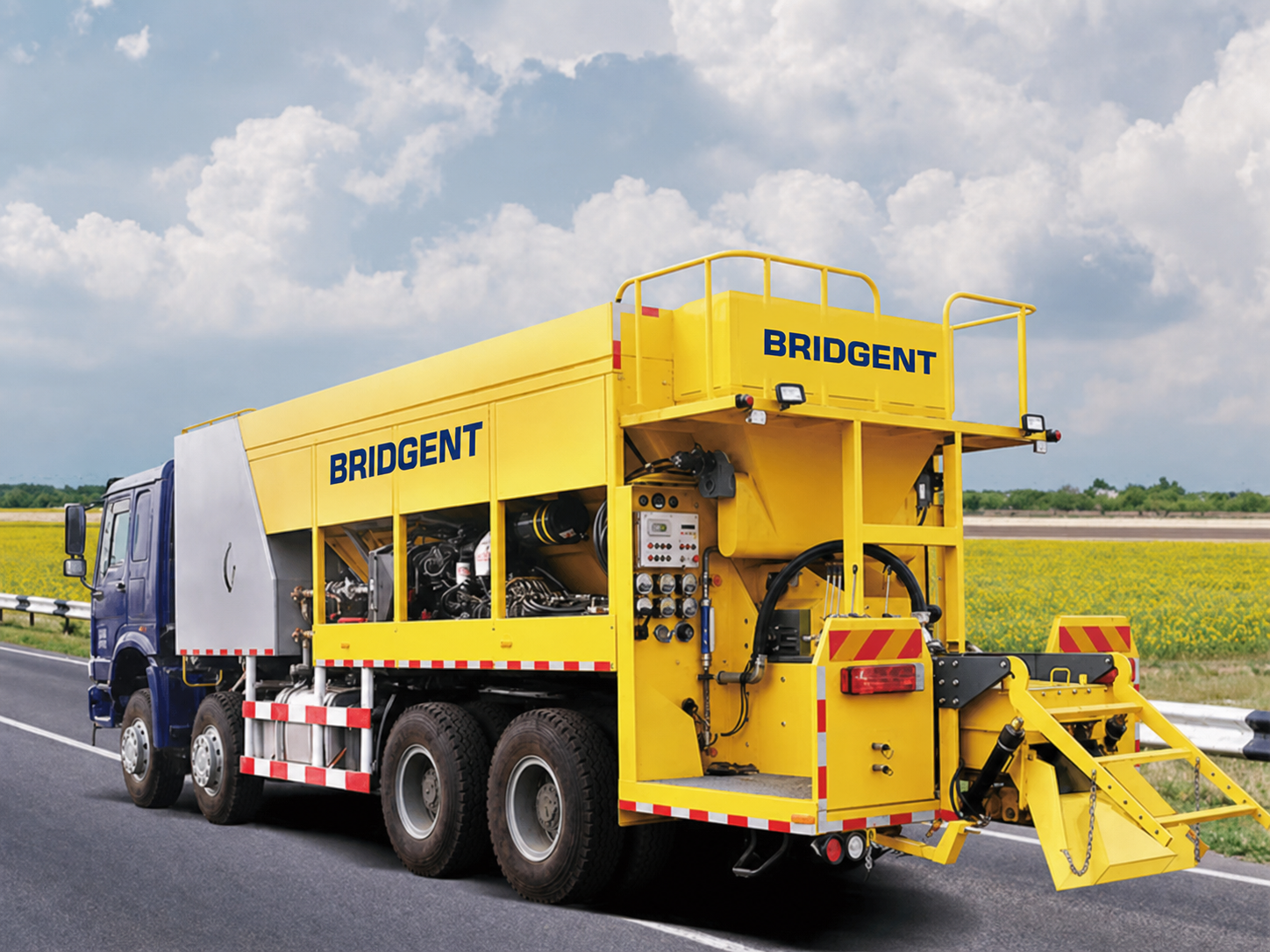
Direct contact with heated components is a common cause of burns. Modern asphalt distributor trucks, such as those offered by Bridgent Technology, incorporate insulated spray bar handles and control mechanisms. These handles are designed with heat-resistant materials that prevent heat transfer to the operator's hands, even during prolonged use. Look for handles with a minimum insulation rating capable of withstanding continuous exposure to temperatures up to 250°C (482°F).
Emergency Shut-Off Valve
A crucial safety feature for burn prevention is an easily accessible emergency shut-off valve for the asphalt pump. In the event of a malfunction, spill, or other emergency, this valve allows operators to immediately stop the flow of hot asphalt, preventing further exposure and potential injury. The valve should be clearly marked, located within arm's reach of the operator's station, and regularly tested as part of pre-operation checks.
Safe Working Temperature Limits
Operating within recommended temperature limits is vital. While asphalt binders require high temperatures for proper application, exceeding these limits increases the risk of thermal degradation, fuming, and severe burns. Manufacturers typically specify a safe working temperature range, often between 150°C and 190°C (300°F and 375°F) for most asphalt emulsions and cutbacks. Operators should be trained to monitor asphalt temperature gauges diligently and adhere strictly to these guidelines. For instance, Bridgent systems often include digital temperature displays with audible alarms for over-temperature conditions.
Handling Asphalt Spills
Asphalt spills, though rare with proper maintenance, pose a significant burn risk. A clear protocol for spill response is essential. This includes:
* Immediate Containment: Use sand, absorbent pads, or other non-combustible materials to contain the spill. * Cooling: Allow the asphalt to cool naturally. Do NOT attempt to cool with water, as this can cause steam explosions and spread the hot material. * PPE: Ensure all personnel involved in spill cleanup wear full PPE, including heat-resistant gloves, safety glasses, and long-sleeved clothing. * Disposal: Dispose of contaminated materials according to local environmental regulations.
Traffic Safety: Protecting Road Users and Crew
Asphalt distributor trucks operate in active traffic lanes, making traffic safety features critical to prevent collisions and protect both the road crew and the public.
Rear Warning Lights and Arrow Board
High-visibility warning systems are non-negotiable. Rear warning lights, typically amber or red LED strobes, must be bright enough to be seen in all weather conditions and at significant distances. An arrow board provides clear directional guidance to approaching traffic, indicating lane closures or merges. These systems should meet local regulatory standards, such as those specified by the Manual on Uniform Traffic Control Devices (MUTCD) in the United States, which often require specific flash patterns and intensity levels.
High-Visibility Markings and Reflective Taping
Beyond active lighting, the truck itself should be highly visible. This includes using retro-reflective sheeting and high-contrast paint schemes. The Federal Highway Administration (FHWA) recommends specific retro-reflectivity standards for construction vehicles to enhance nighttime visibility. Strategic placement of reflective tape on the sides and rear of the vehicle significantly increases its conspicuity.
Backup Alarms and Cameras
Blind spots are a major concern for large vehicles. Backup alarms provide an audible warning to anyone behind the truck when it is reversing. Modern trucks are increasingly equipped with rear-view cameras that offer operators a clear view of the area directly behind the vehicle, drastically reducing the risk of backing accidents. Some advanced systems include 360-degree camera views and proximity sensors.
Operator Protection: Ensuring a Safe Working Environment
Protecting the operator from various hazards, including chemical exposure, noise, and ergonomic strain, is crucial for long-term health and operational efficiency.
Personal Protective Equipment (PPE) Requirements
Strict adherence to PPE protocols is fundamental. Operators and ground crew working with asphalt distributors should always wear:
* Heat-Resistant Gloves: To protect against hot surfaces and asphalt splashes. * Safety Glasses or Goggles: To shield eyes from splashes and fumes. * Hard Hat: For head protection against falling objects or impacts. * High-Visibility Clothing: To ensure they are seen by other vehicles and equipment. * Steel-Toed Boots: To protect feet from heavy objects and hot materials. * Respirators: When working in enclosed spaces or areas with high fume concentrations, to protect against asphalt fumes, which contain volatile organic compounds (VOCs).
Enclosed and Climate-Controlled Cabs
Modern asphalt distributor trucks feature enclosed, climate-controlled cabs that protect operators from extreme weather, noise, and asphalt fumes. These cabs often include air filtration systems that remove harmful particulates and odors, improving air quality for the operator. Ergonomically designed controls and seating also reduce operator fatigue during long shifts.
Fall Protection
Operators often need to access the top of the truck for loading asphalt or maintenance. Integrated fall protection systems, such as guardrails, non-slip surfaces, and secure ladder access, are essential to prevent falls from height. Some trucks feature retractable platforms or safety harnesses attachment points.
Key Takeaways
Asphalt distributor truck safety features are multi-faceted, encompassing burn prevention, traffic safety, and comprehensive operator protection. Key elements include insulated spray bar handles, emergency shut-off valves, strict adherence to safe working temperatures, and robust spill response protocols. Traffic safety is enhanced by highly visible warning lights, arrow boards, reflective markings, and backup cameras. Operator protection is ensured through mandatory PPE, enclosed cabs, and fall protection systems. Prioritizing these features and practices is not just about compliance; it's about safeguarding lives and ensuring efficient, uninterrupted road maintenance operations. Investing in well-equipped machinery, like those from Bridgent Technology, and rigorous training programs are critical steps towards achieving a safer working environment.
Discuss Your Project
Contact Bridgent for equipment specifications and a project-specific quotation.