Buying Guide · 2024-12-01 · 8 min read
Understanding Asphalt Distributor Truck Pricing
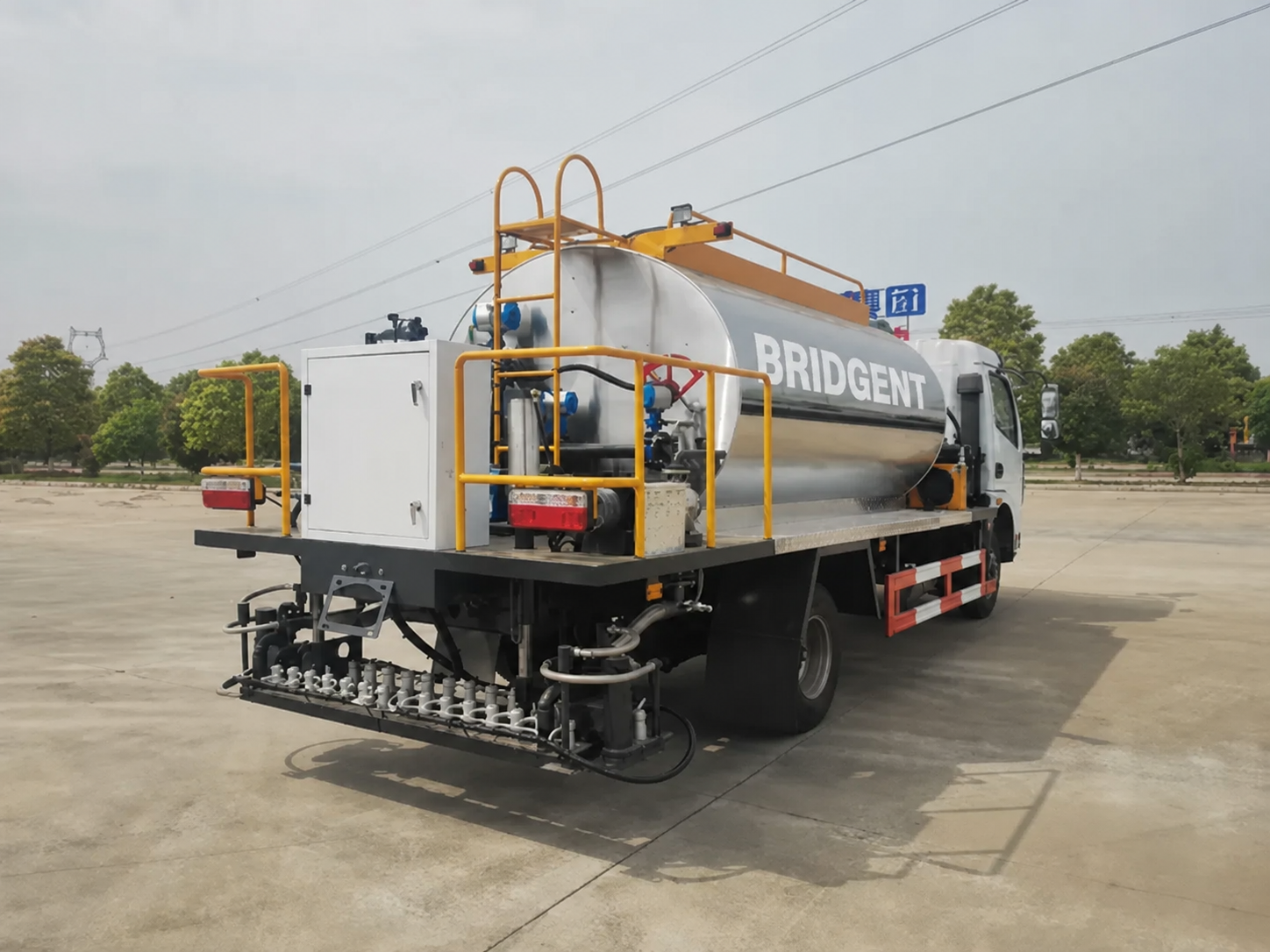
Asphalt distributor trucks are indispensable equipment for road construction and maintenance, playing a critical role in applying asphalt emulsion or cutback asphalt uniformly. For procurement managers, road engineers, and government agencies, understanding the asphalt distributor truck price is paramount to making informed purchasing decisions. This guide delves into the various factors influencing the cost of these specialized vehicles, offering insights into price ranges, key cost drivers, total cost of ownership (TCO), and effective negotiation strategies, particularly with Chinese manufacturers.
Price Ranges by Tank Size
The most significant factor influencing an asphalt distributor truck's price is its tank capacity. Larger tanks generally translate to higher material costs, more robust chassis requirements, and more complex heating and spraying systems. Here’s a general breakdown of price ranges for new trucks, excluding shipping and import duties, which can vary significantly:
| Tank Size (Liters) | Estimated Price Range (USD) | | :----------------- | :-------------------------- | | 3,000 - 5,000 | $45,000 - $75,000 | | 6,000 - 10,000 | $70,000 - $120,000 | | 11,000 - 15,000 | $110,000 - $180,000+ |
These figures represent a broad spectrum and can fluctuate based on the manufacturer, country of origin, specific features, and market conditions. For instance, a basic 3,000L unit from a lesser-known manufacturer might be at the lower end, while a highly automated 15,000L truck from a premium brand like Bridgent Technology could exceed the upper range.
Key Cost Drivers
Beyond tank size, several technical specifications and component choices significantly impact the overall asphalt distributor truck price.
#### Heating System
The heating system is crucial for maintaining the asphalt emulsion at the correct application temperature. Options include:
* Diesel Burner Heating: Common and efficient, often featuring automatic temperature control. Trucks with advanced, high-efficiency burners and insulation will command a higher price. * Thermal Oil Heating: Offers more uniform heating and better temperature stability, often found in higher-end models. This system typically adds to the cost due to its complexity and specialized components. * Exhaust Gas Heating: A more economical option, utilizing engine exhaust heat, but less precise in temperature control.
#### Spray Bar Width and Configuration
The spray bar is where the asphalt is applied to the road surface. Its width and features directly affect productivity and application quality.
* Standard Widths: Typically range from 2.5 meters to 6 meters. Wider spray bars increase coverage per pass but require more powerful pumps and precise control systems. * Extendable/Foldable Spray Bars: These allow for variable working widths, enhancing versatility but adding to the mechanical complexity and cost. * Nozzle Technology: Advanced nozzles offer better atomization and uniform distribution, reducing material waste and improving road quality. Electronically controlled nozzles for precise flow rates also contribute to a higher price point.
#### Chassis Brand and Specifications
The chassis forms the foundation of the truck, influencing its reliability, durability, and operational costs. Reputable chassis brands like Sinotruk, Foton, Dongfeng, or Isuzu are often preferred for their proven performance and global service networks. The choice of chassis impacts:
* Engine Power: Higher horsepower engines are needed for larger tanks and more demanding terrains. * Axle Configuration: 4x2, 6x4, or 8x4 configurations affect load capacity and traction, with more axles generally increasing the chassis cost. * Cabin Features: Air conditioning, ergonomic controls, and advanced safety features in the cabin can also add to the overall price.
#### Pump and Control System
The asphalt pump's capacity and the sophistication of the control system are vital. High-capacity pumps ensure efficient spraying, while advanced PLC (Programmable Logic Controller) or intelligent control systems offer precise application rates, GPS integration, and automated operation, all of which contribute to a higher asphalt distributor truck price.
Total Cost of Ownership (TCO) Analysis
When evaluating the asphalt distributor truck price, it's crucial to look beyond the initial purchase cost and consider the Total Cost of Ownership (TCO). TCO includes:
* Initial Purchase Price: The upfront cost of the truck. * Fuel Consumption: Varies with engine size, chassis efficiency, and heating system. * Maintenance and Spare Parts: Availability and cost of parts, especially for specialized components. Manufacturers like Bridgent often provide comprehensive after-sales support and readily available spare parts. * Operator Training: Costs associated with training personnel to operate and maintain the equipment effectively. * Downtime Costs: Lost productivity due to breakdowns or maintenance. * Resale Value: The potential value of the truck at the end of its operational life.
A lower initial price might seem attractive, but higher fuel consumption, frequent breakdowns, or expensive spare parts can lead to a significantly higher TCO over the truck's lifespan. Investing in a well-built, reliable machine often proves more cost-effective in the long run.
Tips for Negotiating with Chinese Manufacturers
Chinese manufacturers are known for offering competitive pricing, but effective negotiation requires a strategic approach.
#### 1. Do Your Research Thoroughly
Before engaging, understand the market, typical specifications, and pricing for similar trucks. Be clear about your technical requirements (tank size, heating system, spray bar width, chassis brand, pump type, control system). The more specific you are, the better manufacturers can quote accurately.
#### 2. Request Detailed Quotations
Ask for a comprehensive breakdown of costs, including the chassis, asphalt tank, heating system, spray bar, pump, control system, and any optional features. This transparency helps identify areas for negotiation.
#### 3. Negotiate on Volume and Payment Terms
If purchasing multiple units, leverage this for a better price. Favorable payment terms, such as a lower upfront deposit or staggered payments, can also be negotiated.
#### 4. Focus on Value, Not Just Price
While the asphalt distributor truck price is important, emphasize the long-term value. Discuss warranty periods, after-sales service, spare parts availability, and technical support. A slightly higher price for better support can save significant costs later.
#### 5. Build Relationships
Long-term relationships with reliable manufacturers can lead to better deals and priority service. Consider a factory visit if feasible to assess their production quality and capabilities firsthand.
#### 6. Be Prepared to Walk Away
Having alternative options and being willing to walk away from a deal gives you leverage. This signals that you are a serious buyer seeking the best possible terms.
Key Takeaways
The asphalt distributor truck price is a complex equation influenced by tank capacity, heating system, spray bar technology, and chassis choice. While initial cost is a factor, a comprehensive TCO analysis provides a more accurate picture of long-term expenditure. When dealing with Chinese manufacturers, thorough research, detailed quotations, and strategic negotiation focusing on overall value will help secure the best investment for your road maintenance operations. Prioritizing quality and reliable after-sales support, such as that offered by Bridgent, ensures operational efficiency and longevity.
Discuss Your Project
Contact Bridgent for equipment specifications and a project-specific quotation.