Maintenance Guide · 2024-06-22 · 7 min read
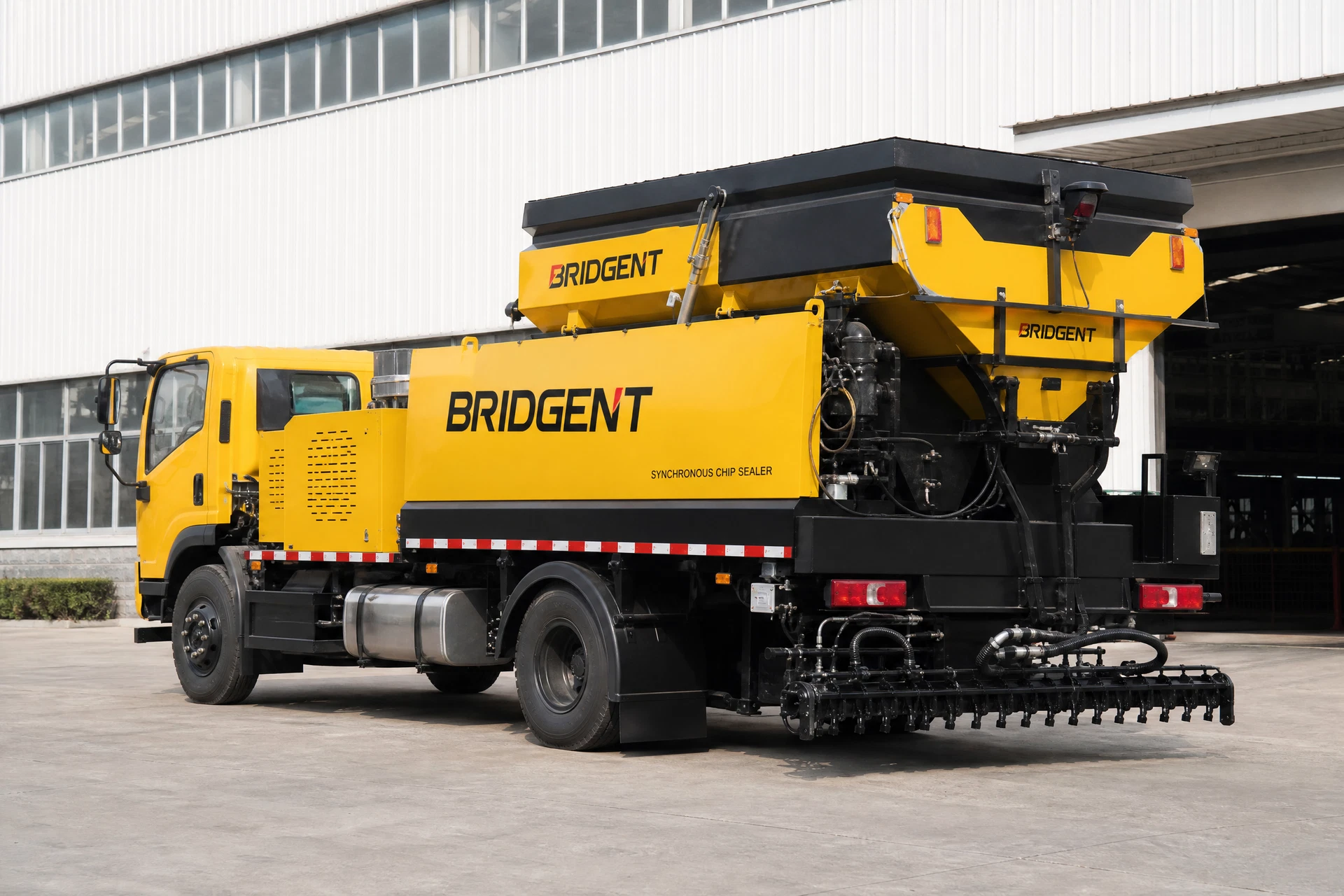
Asphalt distributor trucks are indispensable in modern road construction and maintenance, playing a critical role in applying asphalt binders uniformly. The efficiency and longevity of road surfaces heavily depend on the skill and precision of the operator. Therefore, comprehensive asphalt distributor truck operator training is not merely beneficial but essential for ensuring high-quality results, operational safety, and cost-effectiveness.
This article delves into the core competencies required for operators, critical safety procedures, the importance of certification, and how leading manufacturers, including Chinese firms like Bridgent Technology, contribute to operator development.
Core Competencies for Asphalt Distributor Operators
Operating an asphalt distributor truck effectively demands a blend of technical knowledge, practical skills, and meticulous attention to detail. Key competencies include:
Spray Rate Calibration and Control
Accurate spray rate calibration is paramount for achieving the desired asphalt application thickness. An incorrect rate can lead to premature pavement failure (too little binder) or excessive material usage and tracking (too much binder). Operators must understand:
* Calibration Procedures: Regular calibration using methods like the "shotgun" or "mat" test to verify the actual application rate against the target rate. This involves measuring the volume of asphalt sprayed over a known area or time. * Factors Affecting Spray Rate: Awareness of variables such as truck speed, pump pressure, nozzle size, and asphalt viscosity. Operators must be able to adjust these parameters dynamically based on project specifications and environmental conditions. * Computerized Control Systems: Proficiency in using modern electronic control systems that automate spray rate adjustments based on ground speed and desired application rates. Many contemporary Bridgent models feature intuitive interfaces for precise control.
Temperature Management
Asphalt binder viscosity is highly sensitive to temperature, directly impacting its sprayability and adhesion properties. Maintaining the correct application temperature is crucial.
* Heating Systems: Understanding the operation of the truck's heating system, including burners, heat exchangers, and temperature gauges. Operators must ensure the asphalt is heated uniformly without overheating, which can degrade the material. * Optimal Temperature Ranges: Knowledge of specified temperature ranges for different asphalt binder types (e.g., AC-20, polymer-modified asphalt). Typically, application temperatures range from 150°C to 190°C (300°F to 375°F), depending on the binder grade. * Monitoring and Adjustment: Continuous monitoring of asphalt temperature during application and making necessary adjustments to maintain consistency.
Nozzle Maintenance and Selection
The spray bar and its nozzles are critical components for achieving uniform coverage. Proper maintenance and selection prevent streaking and uneven application.
* Nozzle Types and Patterns: Familiarity with various nozzle types (e.g., fan-type, conical) and their respective spray patterns. Selecting the correct nozzle for the job ensures optimal overlap and coverage. * Cleaning and Unclogging: Regular cleaning of nozzles to prevent blockages from hardened asphalt or debris. Operators must know how to safely clear clogs without damaging the nozzles. * Spray Bar Height and Angle: Adjusting the spray bar height and nozzle angle to achieve the correct double or triple overlap pattern, typically ensuring 100% coverage across the application width.
Critical Safety Procedures
Operating an asphalt distributor truck involves working with hot materials, heavy machinery, and often in active traffic zones. Safety training is paramount.
Burn Prevention and Personal Protective Equipment (PPE)
* Hot Asphalt Hazards: Understanding the severe burn risks associated with asphalt heated to over 150°C. Direct contact can cause third-degree burns. * Required PPE: Consistent use of appropriate PPE, including heat-resistant gloves, long-sleeved shirts, long pants, safety glasses or face shields, and steel-toed boots. Some operations may require specialized respirators. * Emergency Procedures: Knowledge of first aid for burns, location of safety showers/eyewash stations, and emergency shutdown procedures for the heating system.
Traffic Control and Site Safety
* Traffic Management Plans: Adherence to established traffic control plans, including proper signage, flagging procedures, and communication with traffic control personnel. * Vehicle and Pedestrian Awareness: Constant vigilance for other vehicles, construction personnel, and pedestrians in the work zone. Blind spots around large trucks necessitate careful maneuvering. * Pre-Operation Checks: Conducting thorough pre-operation inspections of the truck, including brakes, tires, lights, and all asphalt system components, to prevent mechanical failures.
Environmental Considerations
* Spill Prevention: Training on procedures to prevent asphalt spills and leaks, including proper hose connections and valve operations. * Spill Response: Knowledge of how to contain and clean up minor asphalt spills, and whom to contact for larger incidents, adhering to environmental regulations.
Training Duration and Certification
The duration and depth of asphalt distributor truck operator training can vary significantly. A comprehensive program typically includes:
* Classroom Instruction: Covering theoretical aspects such as asphalt chemistry, binder types, equipment mechanics, safety regulations, and environmental protocols (1-2 days). * Hands-on Training: Practical sessions focusing on pre-operation checks, calibration, spraying techniques, troubleshooting common issues, and emergency procedures (3-5 days). * On-the-Job Mentorship: Supervised operation under experienced personnel to gain real-world experience and refine skills (several weeks to months).
Certification programs, often offered by industry associations or equipment manufacturers, validate an operator's proficiency. These typically involve written exams and practical skill assessments. Obtaining certification demonstrates a commitment to safety and quality, enhancing an operator's professional standing and employability.
How Chinese Manufacturers Provide Operator Training
Chinese manufacturers of road maintenance equipment, such as Bridgent Technology, have recognized the global demand for skilled operators and often integrate comprehensive training into their customer service offerings, particularly for international clients.
* Factory-Based Training: Many manufacturers offer training programs at their facilities in China. This allows operators to learn directly on the specific models they will be using, often with dedicated training equipment and experienced instructors. These programs typically cover operation, maintenance, and basic troubleshooting. * On-Site Training: For larger orders or specific project requirements, some Chinese manufacturers provide on-site training at the client's location. This is particularly valuable for adapting training to local conditions, regulations, and specific project needs. * Technical Documentation and Digital Resources: High-quality operation manuals, maintenance guides, and sometimes video tutorials are provided in multiple languages. These resources serve as ongoing references for operators. * After-Sales Support: Continuous technical support, including remote assistance and spare parts supply, indirectly contributes to operator development by ensuring equipment reliability and providing expert advice when issues arise.
These training initiatives are crucial for ensuring that advanced equipment, like that produced by Bridgent, is operated to its full potential, delivering optimal performance and longevity on road projects worldwide.
Key Takeaways
Effective asphalt distributor truck operator training is a cornerstone of successful road maintenance. It encompasses mastering technical skills like spray rate calibration and temperature management, rigorously adhering to safety protocols, and pursuing professional certification. Manufacturers, including prominent Chinese companies, play a vital role in equipping operators with the necessary knowledge and practical experience, ultimately contributing to safer, more durable, and cost-efficient road infrastructure globally.
Discuss Your Project
Contact Bridgent for equipment specifications and a project-specific quotation.