Buying Guide · 2024-09-18 · 10 min read
Navigating the Purchase of an Asphalt Distributor Truck from China
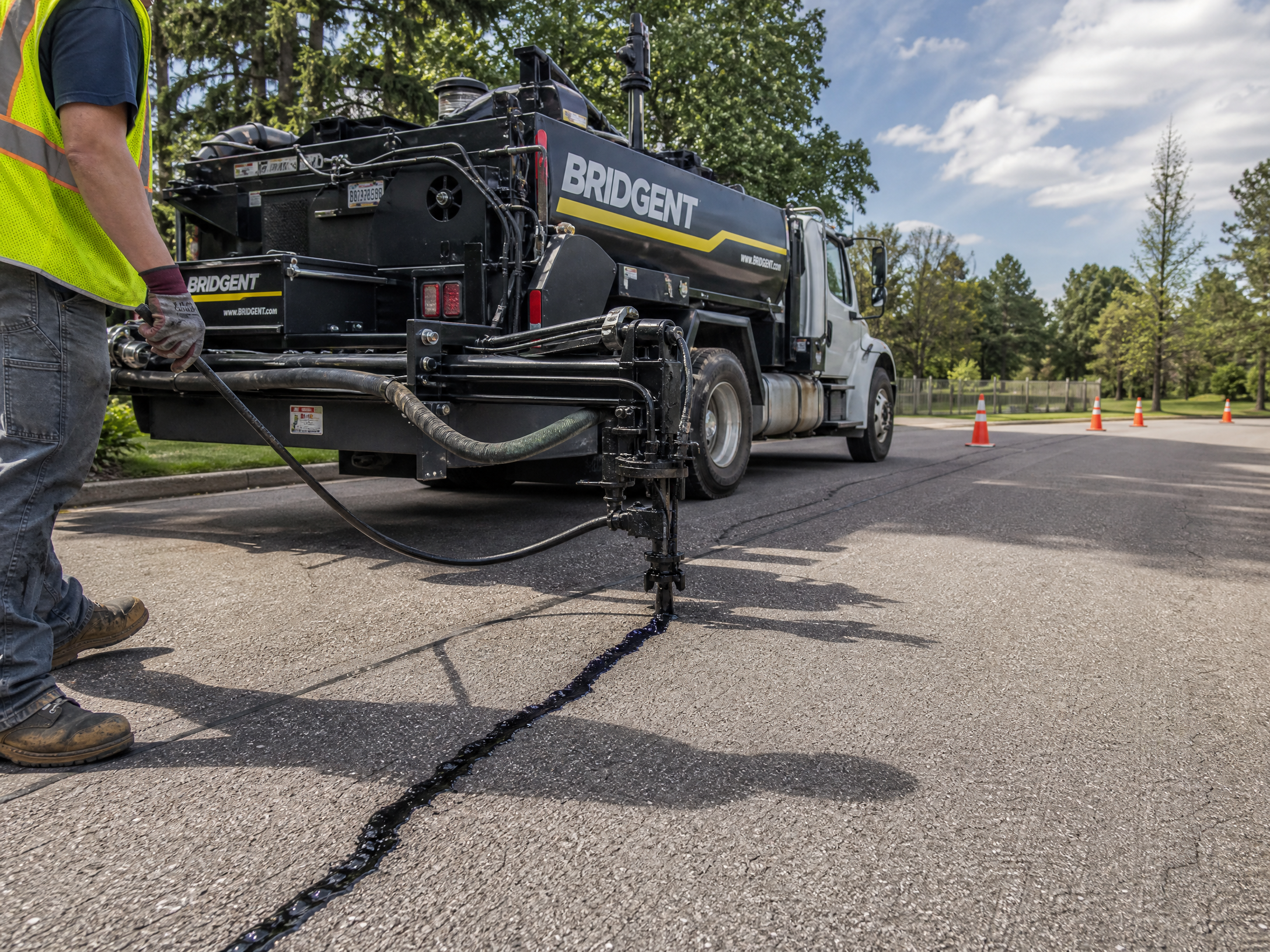
The global market for road maintenance equipment is increasingly looking towards China for cost-effective and technologically advanced solutions. Among these, the asphalt distributor truck stands out as a critical piece of machinery for road construction and repair. However, for international buyers, the process of acquiring an asphalt distributor truck China manufacturer can be complex, involving meticulous quality verification, thorough factory inspections, and a clear understanding of shipping logistics. This guide aims to demystify these aspects, providing a comprehensive framework for a successful procurement experience.
Evaluating Chinese Manufacturers: A Due Diligence Framework
Selecting the right manufacturer is paramount. Beyond initial price quotes, a deeper dive into a manufacturer's capabilities and practices is essential.
#### Factory Audit Checklist
A comprehensive factory audit should cover several key areas to assess a manufacturer's operational integrity and quality commitment:
* Production Capacity and Technology: Evaluate the scale of their operations, the modernity of their production lines, and their adherence to manufacturing best practices. Do they utilize automated welding, precision cutting, and advanced assembly techniques? A reputable manufacturer like Bridgent Technology often showcases state-of-the-art facilities. * Quality Control (QC) Processes: Inquire about their QC protocols at every stage, from raw material inspection to final product testing. This includes material traceability, in-process checks, and pre-delivery inspections. Ask for evidence of their QC documentation. * Research and Development (R&D): A strong R&D department indicates a commitment to innovation and product improvement. This is crucial for staying competitive and offering advanced features, such as intelligent spray control systems or enhanced heating efficiency. * After-Sales Support and Spare Parts: Understand their warranty policies, availability of spare parts, and technical support mechanisms. Long-term operational success hinges on reliable post-purchase service. * Worker Qualifications and Training: Assess the skill level of their workforce, particularly for specialized tasks like welding and electrical assembly. Well-trained personnel contribute directly to product quality.
#### Certifications to Look For
Certifications provide independent verification of a manufacturer's adherence to international standards:
* ISO 9001: This quality management system certification indicates that the manufacturer has robust processes in place to consistently meet customer and regulatory requirements. * CE Marking: Essential for equipment destined for the European market, CE marking signifies conformity with health, safety, and environmental protection standards. * ASME/ADR/DOT: Depending on the specific components (e.g., pressure vessels for asphalt tanks) and the destination country, relevant certifications like ASME (American Society of Mechanical Engineers), ADR (European Agreement concerning the International Carriage of Dangerous Goods by Road), or DOT (Department of Transportation) may be required.
#### Red Flags to Watch Out For
Be wary of manufacturers exhibiting these characteristics:
* Unrealistically Low Pricing: While competitive pricing is attractive, excessively low quotes often signal compromises in material quality, manufacturing processes, or after-sales support. * Lack of Transparency: Reluctance to provide factory tours, detailed specifications, or certification documents is a major warning sign. * Poor Communication: Inconsistent or delayed responses, language barriers, or an inability to clearly answer technical questions can lead to significant misunderstandings and issues down the line.
Understanding Standards: CE vs. GB
When importing machinery from China, two primary sets of standards often come into play:
* CE (Conformité Européenne) Standards: These are European Union directives that apply to products sold within the European Economic Area. For an asphalt distributor truck, CE marking ensures compliance with directives related to machinery safety, electromagnetic compatibility, and pressure equipment. If your market requires CE, ensure the manufacturer has valid and verifiable CE certificates for the specific model you are purchasing. * GB (Guobiao) Standards: These are the national standards of the People's Republic of China. While comprehensive and rigorous for the domestic market, they may not always align perfectly with international import regulations. A manufacturer primarily adhering to GB standards might need to make modifications or undergo additional testing to meet CE or other regional requirements. Always clarify which standards the equipment complies with and if any adaptations are needed for your target market.
Pricing and Incoterms: FOB vs. CIF
Understanding Incoterms (International Commercial Terms) is crucial for defining responsibilities and costs in international trade.
* FOB (Free On Board): Under FOB, the seller (manufacturer) is responsible for delivering the goods on board the vessel nominated by the buyer at the named port of shipment. The risk of loss or damage to the goods passes to the buyer once the goods are on board. The buyer is responsible for all costs and risks from that point, including main carriage, insurance, and import duties. This offers the buyer more control over shipping and insurance but requires more logistical management. * CIF (Cost, Insurance, and Freight): With CIF, the seller is responsible for delivering the goods to the named port of destination, including the cost of main carriage and insurance. The risk, however, transfers from the seller to the buyer once the goods are loaded on board the vessel at the port of shipment. The buyer is responsible for import clearance and duties at the destination port. CIF simplifies logistics for the buyer but gives them less control over shipping arrangements and potentially higher costs due to the seller's choice of carrier and insurer.
For large equipment like an asphalt distributor truck, the choice between FOB and CIF significantly impacts your overall cost and risk exposure. Many buyers prefer FOB to manage their own shipping and insurance, potentially finding more competitive rates.
Pre-Shipment Inspection: Your Final Quality Gate
Before an asphalt distributor truck leaves the factory, a pre-shipment inspection (PSI) is highly recommended. This can be conducted by your own technical team or, more commonly, by an independent third-party inspection agency.
Key aspects to verify during PSI include:
* Conformity to Specifications: Ensure all components, dimensions, engine specifications, and auxiliary systems match the agreed-upon purchase order and technical drawings. * Functionality Testing: Witness the truck in operation, testing the asphalt spraying system, heating system, hydraulic controls, and all safety features. This is where the practical application of the equipment is confirmed. * Documentation Check: Verify that all necessary manuals (operation, maintenance, spare parts), test reports, and certification documents are complete and accurate. For example, Bridgent ensures all necessary documentation is meticulously prepared. * Visual Inspection: Check for any physical damage, corrosion, proper paint application, and secure fastening of all parts.
Typical Lead Times
The lead time for an asphalt distributor truck from a Chinese manufacturer can vary significantly, typically ranging from 30 to 90 days from order confirmation to shipment. Factors influencing this include:
* Customization Level: Highly customized trucks with specific features or components will naturally require longer production times. * Manufacturer's Production Schedule: Peak seasons or high order volumes can extend lead times. * Component Availability: Delays in sourcing specialized parts (e.g., specific engine models, pumps) can impact the overall timeline. * Shipping Logistics: The chosen shipping method and route will also affect the total delivery time.
It is crucial to establish a clear and realistic delivery schedule with the manufacturer and include penalty clauses for significant delays in the contract.
Key Takeaways
Procuring an asphalt distributor truck from a Chinese manufacturer can be a strategic and cost-effective decision, provided a rigorous due diligence process is followed. Focus on comprehensive factory audits, verify relevant certifications, and understand the implications of Incoterms like FOB and CIF. A thorough pre-shipment inspection is your final safeguard, ensuring the equipment meets your exact specifications and quality expectations. By meticulously managing these steps, buyers can confidently source high-quality road maintenance equipment from China, potentially from leading suppliers such as Bridgent.
Discuss Your Project
Contact Bridgent for equipment specifications and a project-specific quotation.