Technical Guide · 2024-11-15 · 7 min read
The effectiveness of any asphalt paving or surface treatment project hinges significantly on the precision and uniformity of binder application. A critical component in achieving this is the asphalt distributor spray bar width. Choosing the right spray bar width is not merely a matter of convenience; it directly impacts material consumption, application quality, and ultimately, the longevity and performance of the road surface. This technical guide delves into the nuances of selecting the optimal spray bar width for various road projects, providing insights for international road engineers, procurement managers, and government agencies.
Understanding Asphalt Distributor Spray Bar Widths
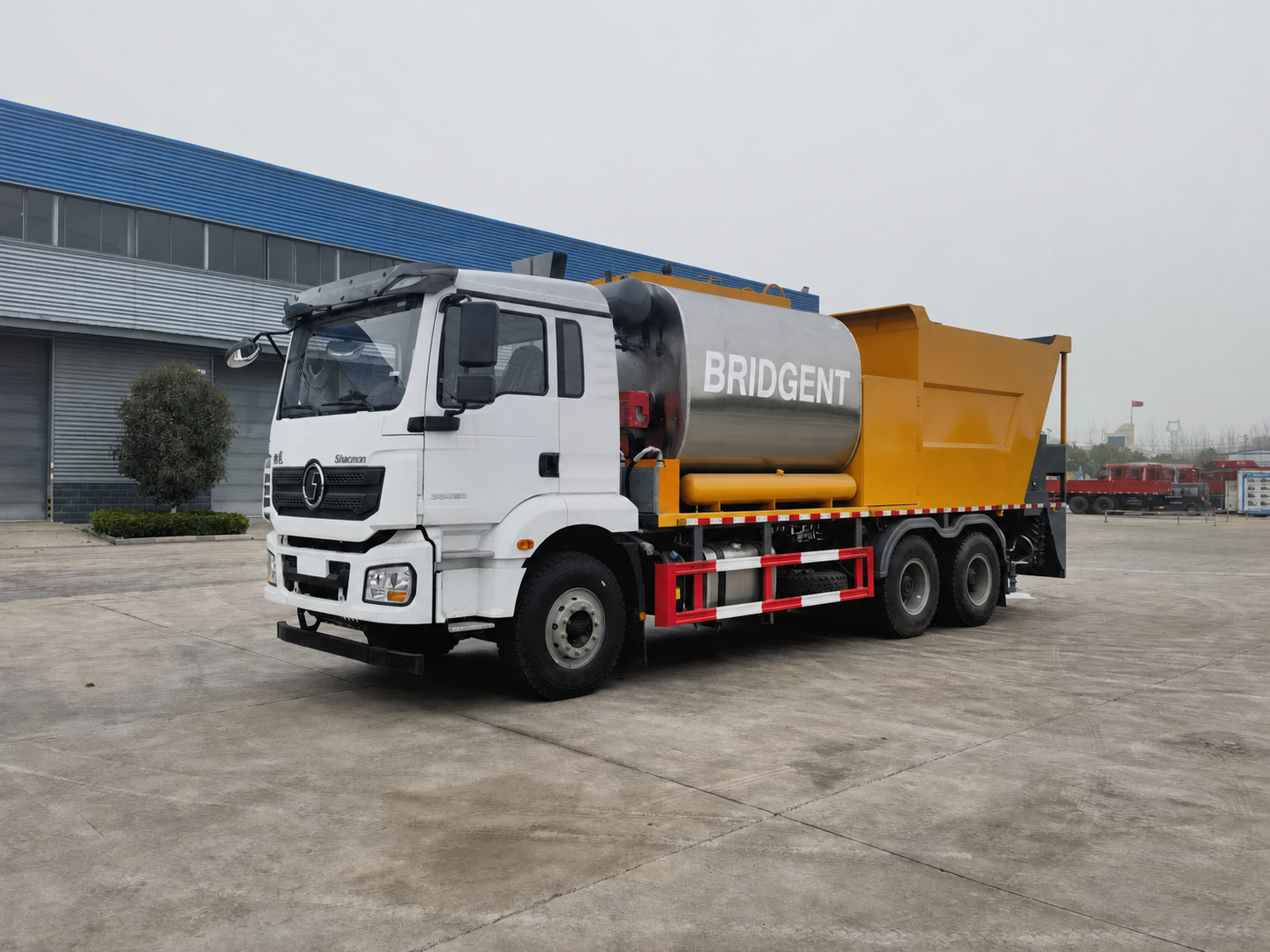
Asphalt distributors are specialized machines designed to apply a uniform coat of asphalt binder onto a prepared surface. The spray bar, an integral part of this equipment, is responsible for atomizing and distributing the asphalt. Its width dictates the coverage area in a single pass, making it a key factor in operational efficiency and application quality.
Standard Spray Bar Widths
While custom widths are available, the industry generally recognizes several standard spray bar widths that cater to common road construction and maintenance scenarios. These typically include:
* 3 meters (approximately 10 feet): Often suitable for smaller roads, pathways, or specialized applications where maneuverability and precise, narrower coverage are paramount. This width is common for municipal work or residential street projects. * 4.5 meters (approximately 15 feet): A highly versatile and widely used width, ideal for single-lane applications on arterial roads, highways, and medium-sized projects. It strikes a balance between coverage and control. * 6 meters (approximately 20 feet): Designed for larger projects, multi-lane highways, or airport runways where extensive coverage per pass significantly boosts productivity. This width minimizes the number of passes required, reducing overall project time.
These standard widths are chosen to align with typical lane dimensions and construction practices globally. For instance, a 4.5-meter bar can efficiently cover a standard 3.6-meter (12-foot) lane with sufficient overlap.
Matching Spray Width to Lane Width: A Crucial Calculation
The primary objective is to ensure complete and uniform coverage across the desired application area. This requires careful consideration of the spray bar's effective width relative to the lane or road width.
The Triple-Overlap Nozzle Pattern Explained
Achieving uniform application is not simply about matching the spray bar width to the road width. It involves understanding the triple-overlap nozzle pattern, a fundamental principle in asphalt distribution. Each nozzle on the spray bar is designed to spray a fan-shaped pattern. For optimal uniformity, these patterns are arranged so that each point on the road surface receives asphalt from three different nozzles. This means:
1. The spray from one nozzle overlaps with the spray from its immediate neighbor. 2. The combined spray from these two nozzles then overlaps with the spray from the next nozzle.
This triple-overlap ensures that any minor variations in individual nozzle output or spray angle are averaged out, leading to a highly consistent application rate across the entire spray width. Without proper overlap, streaks, inconsistencies, and areas of insufficient or excessive binder can occur, compromising the pavement's integrity. Manufacturers like Bridgent Technology meticulously design their spray bars and nozzle configurations to achieve this critical triple-overlap.
Calculating Effective Spray Width
The effective spray width is the actual width of uniform asphalt application, which is typically less than the physical length of the spray bar due to the need for overlap and edge control. When matching to lane width, engineers must account for:
* Lane dimensions: Standard lane widths vary by region, but common values are 3.6 meters (12 feet) or 3.3 meters (11 feet). * Shoulder requirements: If shoulders are to be treated, their width must be added to the calculation. * Overlap considerations: Ensure sufficient overlap with adjacent passes or existing pavement edges.
For a 3.6-meter lane, a 4.5-meter spray bar, properly configured with the triple-overlap, can provide excellent coverage, allowing for slight adjustments and ensuring no untreated strips at the edges.
Adjustable vs. Fixed Spray Bars: Flexibility and Precision
Modern asphalt distributors offer both fixed and adjustable spray bar options, each with distinct advantages and considerations.
Fixed Spray Bars
Fixed spray bars offer simplicity and robustness. They are typically set to a standard width and are ideal for projects with consistent lane widths and predictable application requirements. Their advantages include:
* Lower initial cost: Generally less complex to manufacture and maintain. * Durability: Fewer moving parts mean less potential for mechanical failure. * Ease of operation: Straightforward setup and operation for specific tasks.
However, their lack of flexibility can be a drawback on projects with varying lane widths or where different application scenarios are encountered.
Adjustable Spray Bars
Adjustable spray bars provide significant operational flexibility, allowing operators to modify the spray width on the fly to match varying road conditions or project specifications. These can be hydraulically extended or retracted, often in increments or continuously. Key benefits include:
* Versatility: Adaptable to a wide range of lane widths and project types, from narrow access roads to multi-lane highways. * Reduced passes: Optimizing spray width can minimize the number of passes, saving time and fuel. * Enhanced precision: Allows for fine-tuning coverage to avoid overspray or underspray, especially around obstacles or irregular shapes.
While adjustable bars may have a higher initial cost and require more maintenance due to their hydraulic systems, the long-term efficiency gains and improved application quality often justify the investment, particularly for contractors undertaking diverse projects. Bridgent offers advanced adjustable spray bar systems that integrate seamlessly with their distributor controls.
Impact of Spray Width on Application Rate Uniformity
The chosen spray bar width, in conjunction with proper nozzle selection and calibration, profoundly influences the uniformity of the asphalt application rate. Uniformity is paramount for several reasons:
* Pavement performance: Inconsistent application leads to areas with too much or too little binder. Too much can cause bleeding or flushing, reducing skid resistance. Too little can lead to raveling, cracking, and premature pavement failure. * Material efficiency: Uniform application minimizes waste from overspray and ensures that the specified amount of binder is used, preventing costly over-application or insufficient coverage that requires rework. * Adhesion: For chip seal or surface treatment applications, uniform binder distribution is critical for proper aggregate retention and overall surface integrity.
Achieving uniformity relies on several factors, including:
* Nozzle type and size: Different nozzles produce different spray patterns and flow rates. * Nozzle angle and spacing: Correct alignment and spacing are essential for the triple-overlap. * Spray height: The distance between the nozzles and the road surface affects the spray pattern and overlap. * Asphalt pressure and temperature: These parameters influence the atomization and viscosity of the binder. * Vehicle speed: Consistent speed is crucial for maintaining a uniform application rate.
An improperly selected or configured spray bar width can exacerbate issues related to these factors, making it difficult to achieve the desired application quality. For example, trying to cover an excessively wide area with a narrow bar will inevitably lead to multiple passes and potential overlap inconsistencies, while using an overly wide bar for a narrow lane can result in unnecessary overspray.
Practical Advice for Selection and Operation
1. Assess Project Needs: Clearly define the typical lane widths, road types, and project scales you will encounter. This will guide the decision between fixed and adjustable options, and the appropriate standard widths. 2. Consult Manufacturer Specifications: Always refer to the manufacturer's guidelines for spray bar capabilities, nozzle recommendations, and calibration procedures. Bridgent provides comprehensive technical documentation for all its asphalt distributor models. 3. Prioritize Calibration: Regular and meticulous calibration of the spray bar, nozzles, pressure, and speed is non-negotiable for achieving uniform application. This includes checking nozzle wear and replacing them as needed. 4. Operator Training: Well-trained operators are crucial. They must understand the principles of asphalt distribution, the triple-overlap pattern, and how to adjust the spray bar and machine parameters for optimal results. 5. Consider Future Versatility: If your operations involve a diverse portfolio of projects, investing in an adjustable spray bar can offer long-term cost savings and operational flexibility.
Key Takeaways
Choosing the right asphalt distributor spray bar width is a foundational decision for any road construction or maintenance project. It directly influences application uniformity, material efficiency, and the ultimate performance of the pavement. Understanding standard widths, the critical triple-overlap nozzle pattern, and the benefits of adjustable spray bars allows engineers and procurement managers to make informed choices that lead to superior road infrastructure and optimized operational costs.
Discuss Your Project
Contact Bridgent for equipment specifications and a project-specific quotation.