Buying Guide · 2024-10-10 · 7 min read
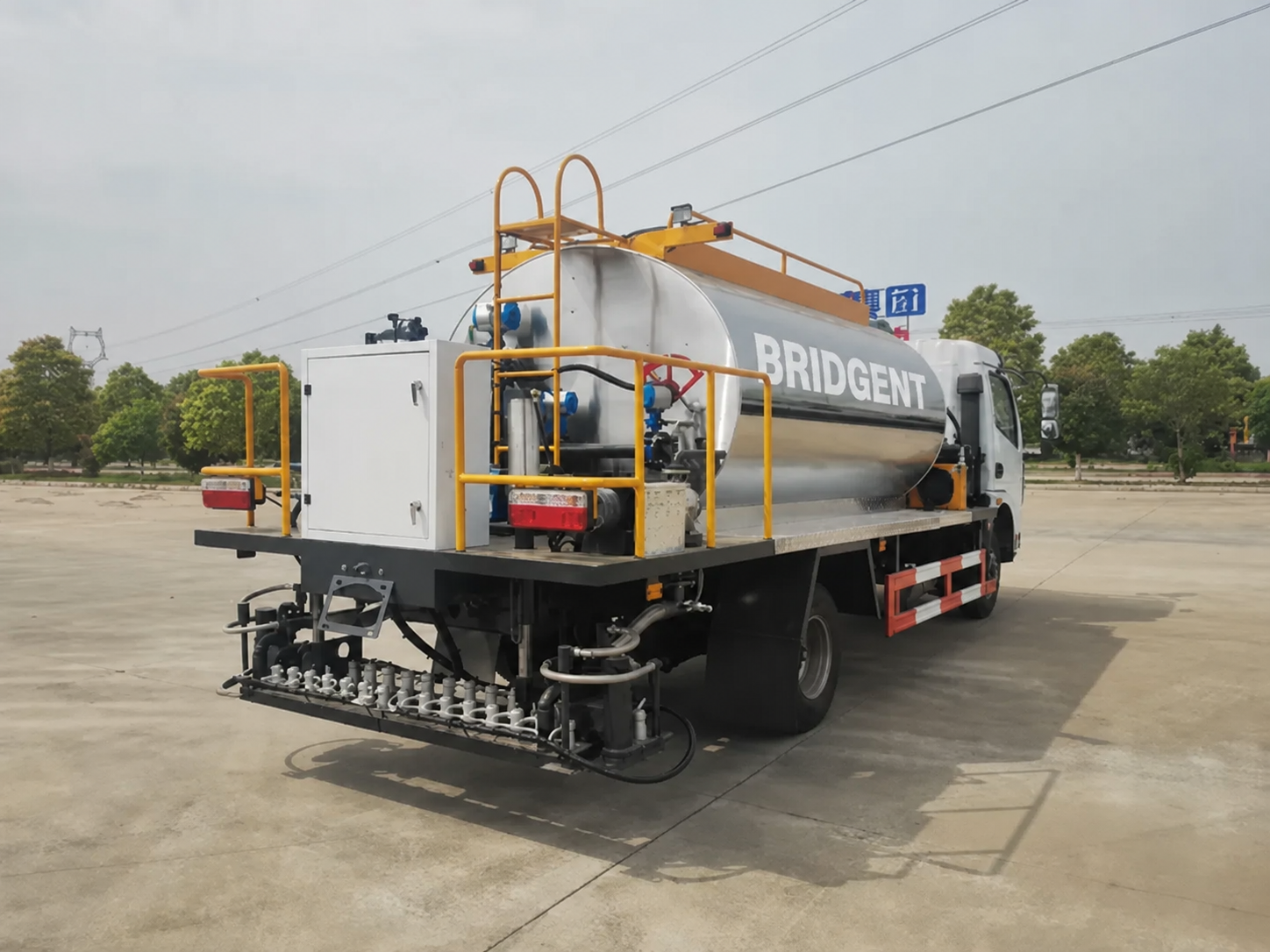
Selecting the right asphalt distributor truck is one of the most important procurement decisions for road construction and maintenance contractors. The wrong choice can lead to inefficiency, poor application quality, and excessive operating costs. This guide provides a systematic framework for evaluating and selecting asphalt distributor trucks.
Understanding Asphalt Distributor Truck Functions
An asphalt distributor truck is designed to heat liquid asphalt binder to the correct application temperature and spray it uniformly onto the road surface at a controlled application rate. It is used for:
- Prime coat: Applying cutback asphalt or emulsified asphalt to a prepared granular base before paving
- Tack coat: Applying a thin layer of emulsified asphalt to an existing pavement surface before overlay
- Seal coat: Applying a heavier layer of asphalt binder as part of a chip seal treatment
- Fog seal: Applying a very light application of emulsified asphalt to seal surface voids and restore flexibility
Key Selection Criteria
1. Tank Volume
Tank volume is the most fundamental specification, determining how long the truck can operate between refilling stops. The right tank size depends on:
- Project scale: Large highway projects require larger tanks (8,000–13,000L) to minimize refilling stops
- Application rate: Higher application rates deplete the tank faster
- Distance to asphalt supply: Longer distances to the asphalt plant favor larger tanks
Common tank sizes and their typical applications: | Tank Volume | Typical Application | |---|---| | 3,000–5,000L | Municipal roads, small projects | | 6,000–8,000L | Medium highway projects | | 8,000–13,000L | Large highway construction |
2. Spray Bar Width
The spray bar width determines how much road width can be covered in a single pass. Wider spray bars improve productivity but require more precise control.
- 3,000–4,500mm: Standard for most road applications
- 6,000mm: For wide highways, reduces number of passes required
- Adjustable width: Most modern distributors allow the spray width to be adjusted by opening/closing individual nozzles
3. Heating System
The heating system maintains the asphalt at the correct application temperature. Key considerations:
- Thermal oil heating: Most efficient and uniform heating method; recommended for all applications
- Direct fire heating: Less expensive but can cause localized overheating and asphalt degradation
- Auxiliary engine power: 5kW for basic heating; 26kW+ for high-viscosity modified asphalt
For modified asphalt and rubberized asphalt applications, a high-power auxiliary engine (26kW or more) is essential to maintain adequate heating capacity.
4. Control System
Modern asphalt distributors should include:
- PLC control system: Automates spray volume based on vehicle speed
- Radar speed sensor: Provides real-time speed feedback for automatic rate adjustment
- Digital display: Shows application rate, temperature, and system status
- Individual nozzle control: Allows spray width adjustment without stopping
5. Chassis Selection
The chassis brand and configuration affects reliability, local service availability, and regulatory compliance:
- FAW, FOTON: Reliable Chinese brands with good international parts availability
- SINOTRUK HOWO: Popular for export markets, widely available spare parts
- Drive configuration: 4×2 for standard roads; 6×4 for heavy loads and rough terrain
Making the Decision
For most international road construction projects, we recommend:
- Small to medium projects: 5,000–6,000L tank, 4,500mm spray bar, 5kW auxiliary engine
- Large highway projects: 8,000–13,000L tank, 6,000mm spray bar, 26kW+ auxiliary engine
- Modified asphalt applications: High-power auxiliary engine, Belgium JOHNSON pump
Always request a factory visit or video demonstration before purchasing, and verify that the manufacturer can provide spare parts and technical support in your country.
Discuss Your Project
Contact Bridgent for equipment specifications and a project-specific quotation.
Topics
- asphalt distributor truck
- equipment selection
- spray width
- heating system