Technical Guide · 2024-07-22 · 8 min read
The Evolving Landscape of Asphalt Distribution: Why PMB Demands More
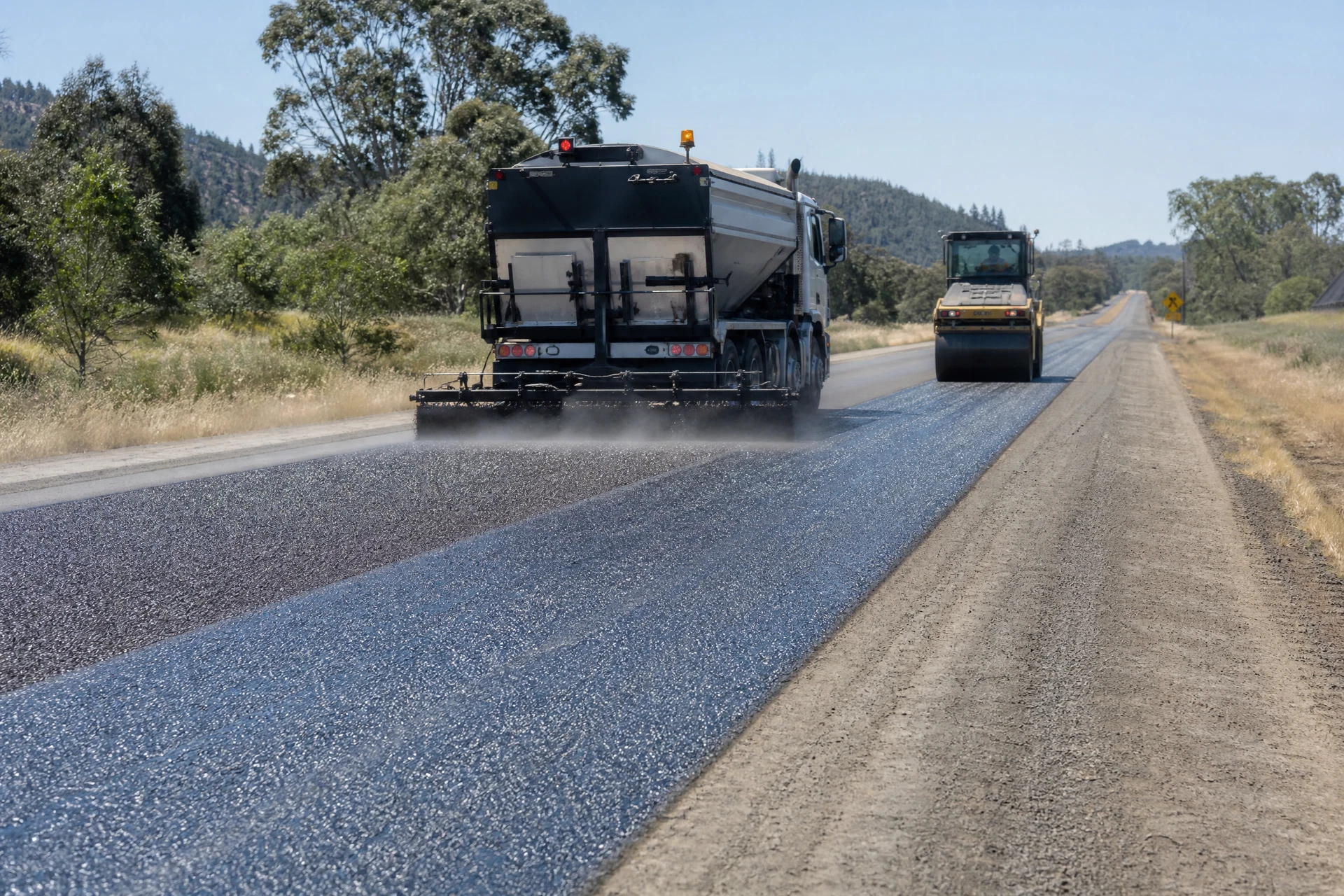
The road construction industry continually seeks innovative materials to enhance pavement durability, flexibility, and resistance to environmental stressors. Polymer-modified bitumen (PMB) stands out as a superior binder, offering improved performance characteristics compared to conventional asphalt. However, the unique rheological properties of PMB—its higher viscosity and elasticity—necessitate specialized equipment for its effective application. Standard asphalt distributor trucks often fall short, leading to inefficient operations, inconsistent spray patterns, and compromised pavement quality. This guide delves into the specific requirements for handling PMB and the essential equipment upgrades for asphalt distributor trucks.
Understanding Polymer-Modified Bitumen (PMB)
PMB is a blend of conventional bitumen with polymers, such as styrene-butadiene-styrene (SBS), styrene-butadiene rubber (SBR), or ethylene-vinyl acetate (EVA). The addition of these polymers significantly alters the bitumen's physical properties, providing:
* Increased Elasticity: Better resistance to permanent deformation (rutting) under heavy traffic loads. * Improved Cohesion: Enhanced binding properties, reducing aggregate loss. * Wider Temperature Susceptibility Range: Better performance in both high and low temperatures, reducing cracking and softening. * Enhanced Durability: Longer pavement life and reduced maintenance cycles.
While these benefits are substantial, they introduce challenges for traditional asphalt distribution equipment.
Key Challenges and Special Requirements for PMB Distribution
The primary challenges in distributing PMB stem from its higher viscosity and the need to maintain specific application temperatures. These factors directly impact the pumping, heating, and spraying mechanisms of an asphalt distributor truck.
Higher Pump Pressure and Flow Rates
PMB, especially at application temperatures, is significantly more viscous than unmodified bitumen. This increased viscosity requires a robust pumping system capable of generating higher pressures to ensure consistent flow through the spray bar and nozzles. Traditional gear pumps found in older distributor models may struggle, leading to:
* Reduced Flow: Inadequate material delivery to the spray bar. * Inconsistent Pressure: Uneven spray rates across the width of the application. * Premature Pump Wear: Excessive strain on components, leading to frequent breakdowns.
Modern PMB-compatible distributors, such as those offered by Bridgent Technology, typically feature heavy-duty positive displacement pumps designed to handle high-viscosity fluids. These pumps are engineered to maintain consistent pressure and flow rates, crucial for achieving a uniform application of PMB.
Enhanced Heating Capacity and Insulation
Maintaining the correct application temperature is paramount for PMB. The specified temperature range for PMB application is typically 170–185°C (338–365°F), which is higher than the range for conventional bitumen (usually 150–170°C). This higher temperature requirement necessitates:
* More Powerful Heating Systems: Distributors must be equipped with efficient burners and heating coils capable of rapidly reaching and consistently maintaining these elevated temperatures. Direct-fired heating systems with advanced temperature controls are often preferred. * Superior Tank Insulation: To prevent heat loss and maintain the PMB at the desired temperature during transport and application, the tank must have robust, multi-layered insulation. This not only ensures material quality but also improves fuel efficiency. * Insulated Piping and Valves: All material lines, including suction and discharge pipes, valves, and fittings, must be thoroughly insulated to prevent temperature drops and potential material solidification.
Insulated Spray Bar and Nozzle Design
The spray bar is the critical component for achieving a uniform and accurate application. For PMB, an insulated spray bar is essential to prevent the material from cooling and thickening within the bar, which can lead to clogged nozzles and an uneven spray pattern. Key considerations include:
* Full Insulation: The entire length of the spray bar, including the end sections and folding mechanisms, should be insulated. * Circulation Systems: Many advanced PMB distributors incorporate a full-circulation spray bar system. This allows hot PMB to continuously circulate through the bar, even when not spraying, ensuring that the material remains at the correct temperature right up to the nozzles. * Nozzle Design: While standard nozzles can be used, specialized nozzles designed for higher viscosity materials can improve spray uniformity and reduce clogging. Regular cleaning and maintenance of nozzles are even more critical with PMB.
Agitation Systems
Some PMB formulations, particularly those with higher polymer content, can exhibit phase separation if left static for extended periods at elevated temperatures. To prevent this, an agitation system within the tank may be beneficial. This could involve mechanical stirrers or recirculation pumps that gently mix the PMB, ensuring homogeneity throughout the application process.
Equipment Upgrades for PMB Compatibility
For contractors looking to adapt existing asphalt distributor trucks for PMB, or for those investing in new equipment, several upgrades and features are crucial.
1. High-Capacity Pumping Systems
Upgrade to a positive displacement pump specifically rated for high-viscosity materials and capable of delivering consistent pressure up to 10-12 bar (145-175 psi). Ensure the pump's seals and internal components are compatible with the higher temperatures and abrasive nature of PMB.
2. Advanced Heating and Temperature Control
* Burner Upgrade: Install more powerful, efficient burners with precise temperature control systems. Digital thermostats and automated burner management can maintain the tight temperature range required for PMB. * Enhanced Insulation: Retrofit the tank with additional layers of high-performance insulation, such as rock wool or ceramic fiber, and ensure all external piping is also well-insulated. * Temperature Monitoring: Implement multiple temperature sensors within the tank and spray bar to provide real-time data to the operator, allowing for immediate adjustments.
3. Insulated and Circulating Spray Bars
This is perhaps one of the most critical upgrades. A fully insulated, full-circulation spray bar system is highly recommended. This ensures that the PMB remains hot and fluid right up to the point of application, minimizing blockages and ensuring a consistent spray pattern. Manufacturers like Bridgent offer modular spray bar designs that can be easily upgraded or replaced.
4. Cleaning Procedures After PMB Use
Proper cleaning after PMB application is vital to prevent material solidification and damage to equipment. PMB, when cooled, becomes extremely difficult to remove. A rigorous cleaning protocol should include:
* Immediate Flushing: As soon as the application is complete, the entire system (tank, pump, lines, spray bar) should be flushed with a suitable flushing oil or diesel fuel while the system is still hot. This prevents PMB from cooling and adhering to surfaces. * Circulation and Soaking: Circulate the flushing agent through the system for an extended period (e.g., 30-60 minutes) to dissolve any residual PMB. * Nozzle Cleaning: Remove and thoroughly clean all spray nozzles. Many operators use specialized cleaning baths or ultrasonic cleaners for this purpose. * Regular Maintenance: Implement a strict schedule for inspecting and cleaning all components, especially after using PMB.
5. Material Compatibility
Ensure that all gaskets, seals, hoses, and other components in contact with PMB are made from materials resistant to high temperatures and the chemical composition of the modified binder. Viton or other high-temperature elastomers are often specified.
The Bridgent Technology Advantage
Bridgent Technology is a recognized leader in road maintenance equipment, offering asphalt distributor trucks specifically engineered to meet the rigorous demands of PMB application. Their models feature advanced heating systems, robust positive displacement pumps, and fully insulated, circulating spray bars designed for optimal performance with modified binders. Bridgent's commitment to innovation ensures that their equipment provides precise application, enhanced durability, and ease of maintenance, making them a preferred choice for modern road construction projects.
Conclusion: Investing in Quality for Superior Pavements
The shift towards polymer-modified bitumen in road construction is a testament to the industry's pursuit of more durable and resilient infrastructure. While PMB offers significant advantages, its successful application hinges on the use of specialized asphalt distributor trucks. Investing in equipment with higher pump pressure, enhanced heating capacity, insulated spray bars, and robust cleaning protocols is not merely an expense but a strategic decision that ensures the quality, longevity, and cost-effectiveness of modern pavements. By understanding and implementing these special requirements and equipment upgrades, road engineers and contractors can maximize the benefits of PMB, delivering superior road networks for years to come.
Discuss Your Project
Contact Bridgent for equipment specifications and a project-specific quotation.