Maintenance Guide · 2024-10-12 · 7 min read
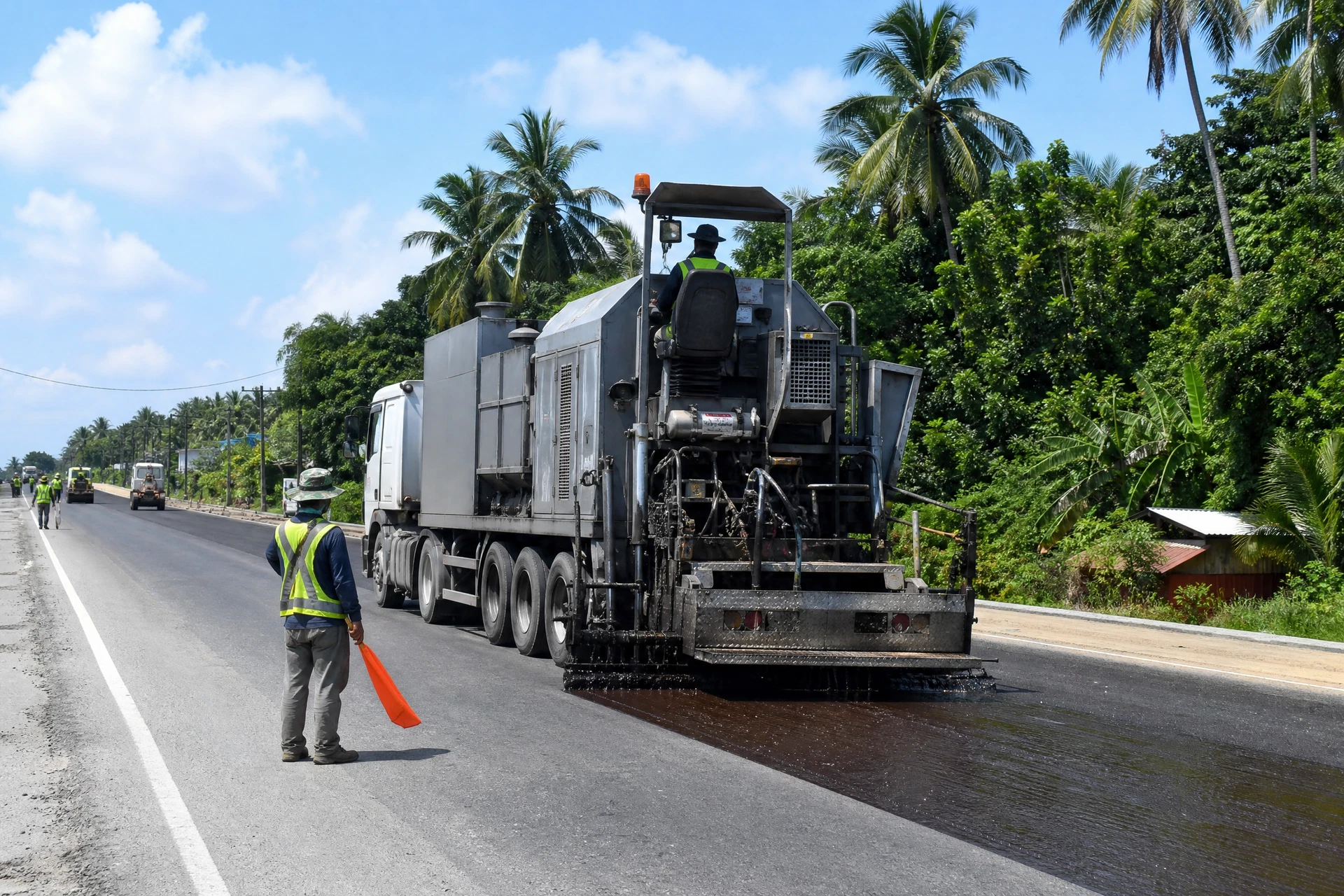
Asphalt distributor trucks are indispensable assets in road construction and maintenance, playing a critical role in applying asphalt emulsions and cutbacks uniformly. Their complex systems, including heating, pumping, and spraying mechanisms, demand rigorous and systematic maintenance to ensure operational efficiency, extend service life, and prevent costly downtime. A well-executed maintenance regimen not only safeguards your investment but also guarantees the quality of road surfacing projects.
The Importance of a Proactive Maintenance Strategy
Proactive maintenance for asphalt distributor trucks goes beyond mere repairs; it's about anticipating potential issues and addressing them before they escalate into significant problems. This approach minimizes unexpected breakdowns, reduces operational costs, and enhances safety for the crew. Ignoring routine checks can lead to uneven spray patterns, pump failures, and heating system malfunctions, all of which compromise project quality and increase overall expenses. Companies like Bridgent Technology emphasize the importance of adhering to manufacturer-recommended maintenance schedules to maximize equipment uptime and performance.
Daily Maintenance Procedures
Daily checks are the first line of defense against operational issues. These quick inspections, typically performed before and after each shift, are vital for identifying immediate concerns.
Pre-Operation Checks
* Fluid Levels: Verify engine oil, coolant, hydraulic fluid, and brake fluid levels. Top up as necessary. Low fluid levels can lead to overheating or system failure. * Tire Pressure and Condition: Inspect all tires for proper inflation, wear, and damage. Correct tire pressure is essential for safe operation and even weight distribution. * Lights and Signals: Ensure all headlights, taillights, turn signals, and warning lights are functional. This is crucial for road safety, especially during transport. * Hoses and Connections: Visually inspect all hoses, pipes, and connections for leaks, cracks, or damage. Pay particular attention to asphalt lines, which are subjected to high temperatures and pressures. * Spray Bar and Nozzles: Check the spray bar for obstructions and ensure all nozzles are clean and properly aligned. A clogged or misaligned nozzle can lead to inconsistent application.
Post-Operation Checks
* Spray Bar Cleaning: Immediately after use, thoroughly flush the spray bar and nozzles with a suitable cleaning agent (e.g., diesel fuel or a specialized solvent) to prevent asphalt residue from hardening. This is perhaps the most critical daily task. * General Cleaning: Clean the exterior of the truck, removing any asphalt splashes or debris. This prevents accumulation that can hinder future inspections or damage components. * Visual Inspection for Leaks: Conduct a final walk-around to check for any new leaks that may have developed during operation.
Weekly Maintenance Procedures
Weekly maintenance involves more detailed inspections and lubrication tasks to ensure all moving parts function smoothly and efficiently.
* Lubrication: Grease all accessible fittings on the chassis, pump, and spray bar mechanisms. Refer to the manufacturer's lubrication chart for specific points and recommended lubricants. Proper lubrication reduces friction and wear. * Pump Inspection: Inspect the asphalt pump for any signs of wear, leaks, or unusual noises. Check the packing glands for tightness and adjust if necessary to prevent leaks. Ensure the pump strainer is clean. * Heating System Check: Verify the functionality of the burner and heating coils. Look for any soot buildup or damage. Ensure temperature gauges are accurate. For trucks equipped with advanced heating systems, like those from Bridgent, consult the operational manual for specific weekly checks. * Air System Inspection: Check the air compressor, air lines, and air tanks for leaks. Drain any moisture from the air tanks to prevent corrosion. * Battery Terminals: Clean battery terminals and check connections for corrosion. Ensure the battery is securely mounted.
Seasonal and Annual Maintenance Procedures
Seasonal maintenance, particularly winterization and pre-season preparation, is crucial for protecting the truck during periods of inactivity and ensuring it's ready for peak performance.
Winterization (End of Season)
Winterization is paramount to prevent damage from freezing temperatures, which can cause significant issues with asphalt lines and pumps.
* Thorough Cleaning: Completely empty and clean the asphalt tank, spray bar, and all associated lines. Remove all asphalt residue. * Flushing System: Flush the entire asphalt system (tank, pump, lines, spray bar, nozzles) with diesel fuel or a specialized winterizing fluid. Operate the pump and spray bar until the fluid runs clear, ensuring all asphalt is removed. This prevents residual asphalt from hardening and blocking the system. * Drain Water: Drain all water from the cooling system (if not using antifreeze), air tanks, and any other water-holding components. * Antifreeze: If applicable, ensure the engine cooling system has the correct concentration of antifreeze. Consider adding antifreeze to the asphalt pump and lines if recommended by the manufacturer, especially for pumps that are difficult to fully drain. * Storage: Store the truck in a dry, sheltered location. Disconnect the battery or use a trickle charger to maintain its charge.
Pre-Season Preparation (Start of Season)
* Fluid Replacements: Change engine oil, hydraulic fluid, and filters. Replace fuel filters. * System Check: Reconnect the battery. Inspect all hoses, belts, and electrical wiring for wear or damage. Replace as needed. * Test Heating System: Start the truck and test the heating system to ensure it reaches and maintains the desired asphalt temperature. Check for any leaks or malfunctions. * Calibrate Spray System: Calibrate the spray bar and nozzles to ensure accurate and uniform application rates. This may involve adjusting pressure settings and nozzle types. * Safety Equipment: Verify that all safety equipment, including fire extinguishers, first-aid kits, and warning triangles, are present and in good condition.
Common Failure Points and How to Address Them
Understanding common failure points allows for targeted inspections and preventative measures.
* Clogged Nozzles/Spray Bar: Primarily caused by insufficient cleaning. Regular flushing with diesel or solvent is key. Consider using a nozzle cleaning kit for stubborn blockages. * Pump Malfunctions: Often due to wear on internal components or improper lubrication. Regular inspection of pump packing and lubrication of bearings can extend pump life. Bridgent offers robust pump designs that minimize these issues. * Heating System Issues: Can stem from burner problems, faulty thermostats, or clogged heating coils. Regular cleaning of burner components and checking temperature sensors are vital. * Asphalt Line Leaks: High temperatures and pressures can degrade hoses over time. Routine inspection for cracks, bulges, or hardening and prompt replacement of worn hoses are essential. * Electrical System Failures: Corrosion at terminals or damaged wiring can lead to electrical issues. Keep connections clean and inspect wiring for fraying or damage.
Maintenance Schedule Summary
| Task Category | Daily | Weekly | Seasonal (Winterization/Pre-Season) | | :-------------------- | :------------------------------------- | :--------------------------------------- | :------------------------------------------ | | Fluids & Levels | Engine oil, coolant, hydraulic, brake | | Engine oil, hydraulic fluid change (pre-season) | | Tires | Pressure, condition | | | | Lights & Signals | Functionality | | | | Hoses & Connections | Visual inspection for leaks/damage | | Thorough inspection, replace as needed | | Spray Bar & Nozzles | Check for obstructions, clean after use | | Flush, calibrate (pre-season) | | Lubrication | | Grease fittings | | | Pump | | Inspect for wear/leaks, clean strainer | Flush, inspect (winterization/pre-season) | | Heating System | | Check burner, coils, gauges | Test functionality (pre-season) | | Air System | | Check for leaks, drain moisture | | | Battery | | Clean terminals, check connections | Disconnect/trickle charge (winterization) | | General Cleaning | Exterior, asphalt splashes | | Thorough cleaning (winterization) |
Key Takeaways
Effective asphalt distributor truck maintenance is a continuous process that demands attention to detail across daily, weekly, and seasonal schedules. Adhering to a comprehensive checklist, understanding common failure points, and utilizing quality components—like those integrated into Bridgent's equipment—will significantly enhance the operational lifespan and reliability of your machinery. Proactive care ensures consistent performance, reduces operational costs, and contributes to the successful completion of every road maintenance project.
Discuss Your Project
Contact Bridgent for equipment specifications and a project-specific quotation.