Maintenance · 2024-09-15 · 9 min read
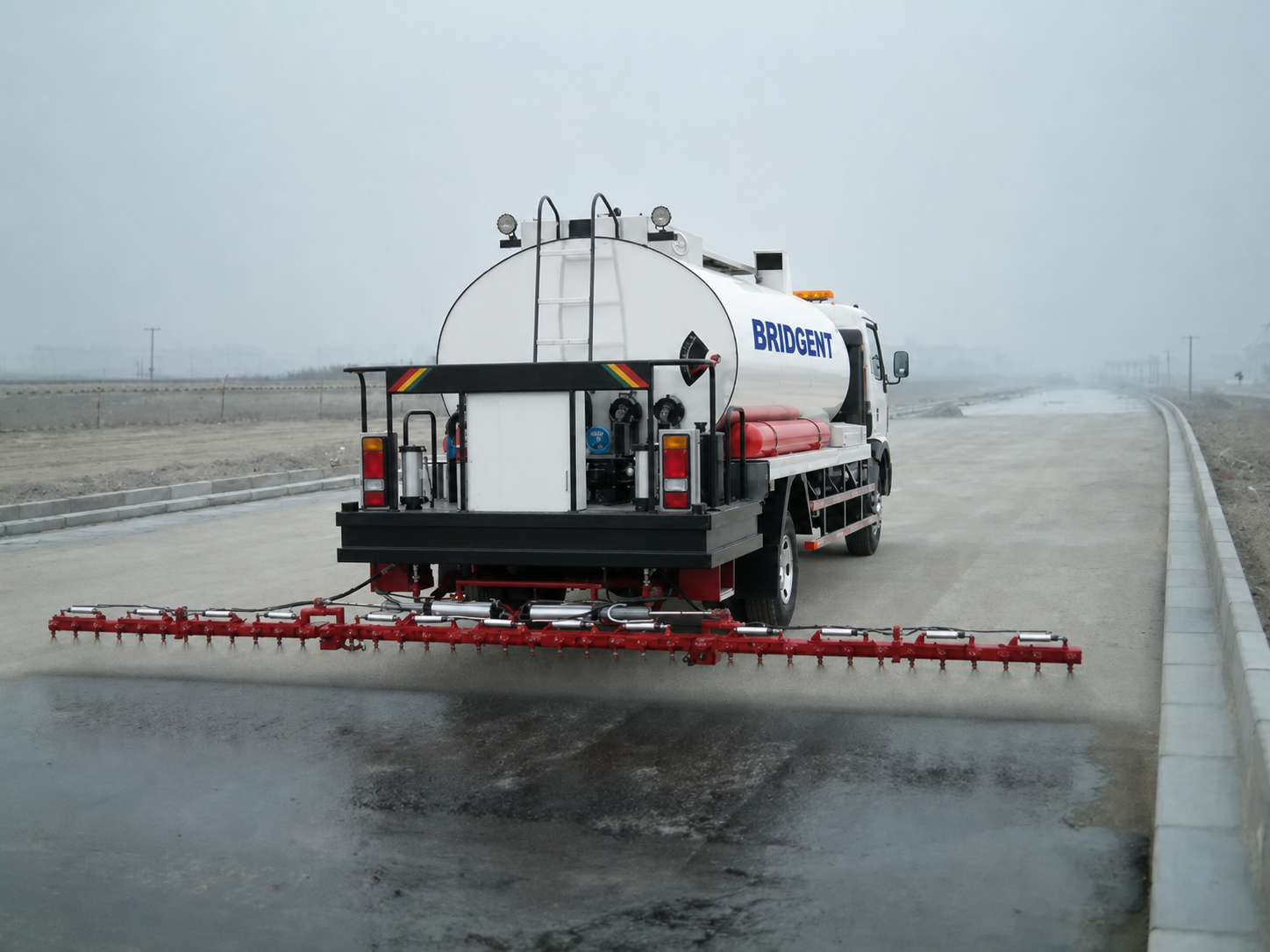
Asphalt distributor trucks operate in demanding conditions — high temperatures, corrosive materials, and dusty environments — that accelerate wear and can lead to unexpected failures if maintenance is neglected. A well-maintained distributor truck will provide years of reliable service; a neglected one can fail at the worst possible moment, disrupting projects and incurring costly repairs.
Daily Pre-Operation Inspection
Before each day's operation, the operator should perform a systematic inspection:
Asphalt System
- Check asphalt tank level and temperature
- Inspect all hoses and connections for leaks
- Verify pump operation and pressure
- Check nozzle condition and spray pattern
- Confirm spray bar alignment and height
Heating System
- Check thermal oil level
- Inspect burner operation and flame pattern
- Verify temperature controller calibration
- Check exhaust system for blockages
Mechanical Systems
- Check engine oil, coolant, and hydraulic fluid levels
- Inspect tires for pressure and wear
- Check brake system operation
- Verify all lights and warning systems
Control System
- Test PLC control panel operation
- Verify radar speed sensor calibration
- Check all gauges and displays
Common Failure Points and Prevention
Nozzle Clogging
Nozzles are the most common failure point on asphalt distributors. Asphalt can solidify in the nozzles during shutdown, causing blockages that result in uneven spray patterns.
Prevention: Flush the spray system with diesel fuel or solvent at the end of each day. Store the truck with the spray bar in the raised position to prevent asphalt dripping into the nozzles.
Pump Wear
The asphalt pump is subject to wear from the abrasive particles in asphalt and from the high temperatures involved. Worn pumps deliver inconsistent flow, leading to uneven application rates.
Prevention: Use high-quality pump oil and change it at the manufacturer's recommended intervals. Monitor pump pressure and output regularly. Replace wear parts (rotors, stators, seals) at the first sign of performance degradation.
Heating System Failures
Thermal oil heating systems can develop leaks at fittings and hoses over time. Leaking thermal oil can cause fires and equipment damage.
Prevention: Inspect all thermal oil fittings and hoses monthly. Replace any hoses showing signs of cracking or deterioration. Check thermal oil level daily and top up as needed.
Control System Issues
PLC control systems can develop software errors or sensor failures that cause incorrect spray rates.
Prevention: Keep the control system software updated. Calibrate the radar speed sensor monthly. Replace sensors at the first sign of erratic behavior.
Preventive Maintenance Schedule
| Interval | Tasks | |---|---| | Daily | Pre-operation inspection, nozzle flush, system check | | Weekly | Lubricate all grease points, check all fluid levels | | Monthly | Calibrate radar sensor, inspect thermal oil system, check pump performance | | Quarterly | Replace thermal oil filter, inspect all hoses and fittings, check spray bar alignment | | Annually | Full system overhaul, replace wear parts, recalibrate all sensors |
End-of-Season Storage
If the truck will be stored for an extended period (winter storage): 1. Flush the entire asphalt system with diesel fuel 2. Drain and replace the thermal oil 3. Lubricate all moving parts 4. Store in a covered, dry location 5. Disconnect the battery
Following this maintenance program will maximize the service life of your asphalt distributor truck and minimize unexpected downtime during critical project operations.
Discuss Your Project
Contact Bridgent for equipment specifications and a project-specific quotation.
Topics
- asphalt distributor maintenance
- road equipment maintenance
- preventive maintenance