Technical Guide · 2024-11-05 · 8 min read
Asphalt distributor trucks are indispensable equipment in road construction and maintenance, playing a critical role in applying bituminous materials uniformly. At the heart of their operation lies the heating system, which maintains the asphalt at the precise temperature required for optimal spraying and adhesion. Choosing the right heating system is paramount for efficiency, safety, and the longevity of the equipment. This guide delves into a detailed comparison of the three primary heating methods: thermal oil circulation, direct fire burners, and electric heating, helping professionals make informed decisions.
The Importance of Precise Temperature Control
Bituminous materials, such as asphalt emulsion and modified asphalt, exhibit significant viscosity changes with temperature. Maintaining a consistent and optimal temperature (typically between 150°C and 180°C for hot asphalt) ensures proper atomization, uniform spray patterns, and strong bonding with the road surface. Inconsistent heating can lead to clogged nozzles, uneven application, reduced material performance, and increased operational costs. Therefore, the heating system is not merely a component but a critical determinant of application quality and project success.
Thermal Oil Circulation Heating System
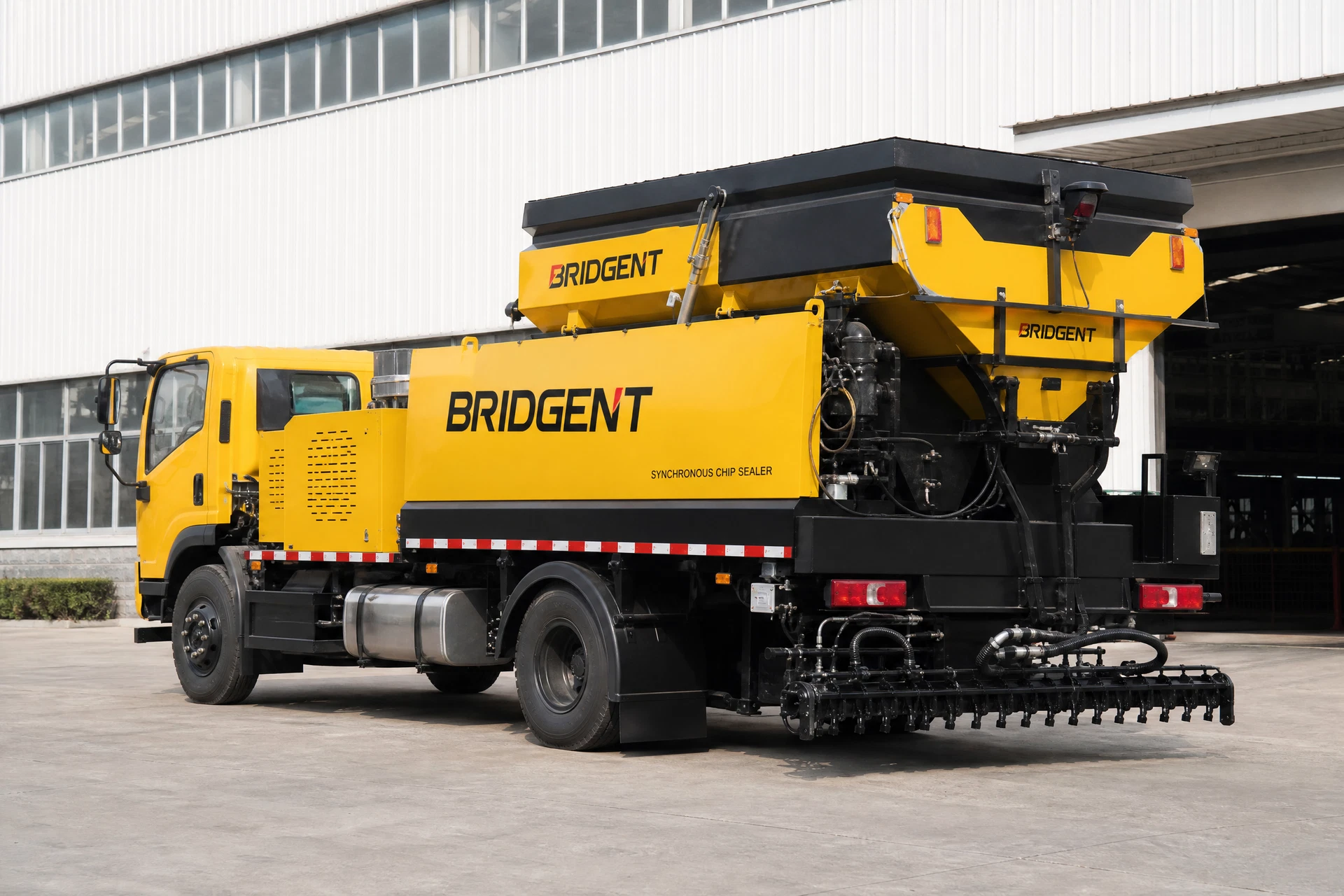
Thermal oil heating is widely regarded as the most sophisticated and efficient method, particularly prevalent in high-end asphalt distributor trucks, including those manufactured by Bridgent Technology. This system uses a closed loop where thermal oil (a specialized heat transfer fluid) is heated in a boiler and then circulated through coils within the asphalt tank. The heat is transferred indirectly to the asphalt.
Advantages:
* Superior Temperature Uniformity: Thermal oil provides gentle, even heating across the entire asphalt tank, eliminating hot spots and localized overheating. This is crucial for modified asphalt, which can degrade under direct, intense heat. * Extended Asphalt Lifespan: By preventing localized overheating, thermal oil systems help preserve the chemical properties of the asphalt, extending its effective working life and reducing material waste. * Enhanced Safety: The indirect heating process significantly reduces the risk of asphalt ignition, as there is no direct flame contact with the asphalt tank. This is a major safety advantage, especially when handling volatile bituminous materials. * Lower Maintenance: The thermal oil system operates at lower pressures and temperatures compared to direct fire, leading to less stress on components and reduced scaling or coking inside the coils. This translates to longer service intervals and lower maintenance costs. * Fuel Efficiency: Modern thermal oil systems are designed for high thermal efficiency, often incorporating advanced burner controls and insulation, leading to optimized fuel consumption.
Disadvantages:
* Higher Initial Cost: The complexity of the thermal oil boiler, circulation pump, and heat exchanger components typically results in a higher upfront investment. * Slower Heating Rate: Due to indirect heat transfer, the initial heating-up time can be longer compared to direct fire systems.
Direct Fire Burner Heating System
Direct fire heating systems are a traditional and common method, especially in more basic or older asphalt distributor models. In this setup, one or more burners are positioned directly beneath or around the asphalt tank, heating the tank walls and, consequently, the asphalt inside.
Advantages:
* Lower Initial Cost: Direct fire systems are simpler in design and manufacturing, making them more economical to purchase. * Faster Heating Rate: Direct application of heat can bring the asphalt to temperature relatively quickly, which can be an advantage for rapid deployment.
Disadvantages:
* Risk of Localized Overheating: The direct flame can create hot spots on the tank walls, potentially leading to localized overheating and degradation of the asphalt. This is particularly detrimental to polymer-modified asphalt. * Reduced Asphalt Quality: Repeated exposure to hot spots can alter the chemical composition of the asphalt, reducing its performance and lifespan. * Higher Safety Risk: The presence of an open flame in close proximity to flammable asphalt increases the risk of fire or explosion if safety protocols are not strictly followed or if there are leaks. * Increased Maintenance: Direct heating can cause thermal stress on the tank material, leading to fatigue and potential cracking over time. Burner maintenance and cleaning of soot buildup are also regular requirements. * Less Fuel Efficient: Often, direct fire systems are less fuel-efficient due to heat loss and less precise temperature control.
Electric Heating System
Electric heating systems utilize electric heating elements (immersion heaters or external heating jackets) to raise the temperature of the asphalt. While less common for large-scale asphalt distributors due to power requirements, they are gaining traction in smaller units or specialized applications.
Advantages:
* Clean Operation: Electric heating produces no direct emissions at the point of use, making it environmentally friendly and suitable for enclosed spaces. * Precise Control: Electric elements allow for very precise temperature control, often with digital thermostats, minimizing temperature fluctuations. * Low Noise: Operation is virtually silent compared to burner-based systems. * Reduced Maintenance: With fewer moving parts and no combustion byproducts, electric systems generally require less maintenance.
Disadvantages:
* High Power Consumption: Heating large volumes of asphalt electrically demands significant power, which can be a limiting factor in remote locations or for large trucks. * Slower Heating Rate: Similar to thermal oil, electric heating can be slower than direct fire, especially for initial heat-up. * Dependency on Power Source: Requires a robust electrical supply, which might not always be readily available on job sites. * Cost of Electricity: Operating costs can be higher depending on local electricity prices.
Comparative Analysis: Thermal Oil vs. Direct Fire vs. Electric
To summarize the key differences, the following table provides a quick overview:
| Feature | Thermal Oil Circulation | Direct Fire Burner | Electric Heating | | :------------------ | :---------------------- | :---------------------- | :---------------------- | | Temperature Uniformity | Excellent | Fair (hot spots likely) | Excellent | | Heating Speed | Moderate | Fast | Moderate | | Safety | High | Moderate (fire risk) | High | | Asphalt Quality Preservation | Excellent | Fair | Excellent | | Maintenance | Low | Moderate to High | Low | | Initial Cost | High | Low | Moderate | | Fuel Efficiency | High | Moderate | Varies (electricity cost) | | Environmental Impact | Low (indirect emissions) | Moderate (direct emissions) | Very Low (at point of use) |
Which System Is Best for Your Application?
The choice of an asphalt distributor heating system depends heavily on specific operational needs, budget, and the type of bituminous material being handled.
* For High-Quality, Modified Asphalt Applications: If you are working with expensive polymer-modified asphalt or require the highest quality application with minimal material degradation, a thermal oil circulation system is the superior choice. Its precise and uniform heating, coupled with enhanced safety and lower long-term maintenance, justifies the higher initial investment. Bridgent Technology, for instance, often integrates advanced thermal oil systems into their premium asphalt distributors to ensure optimal performance and material integrity.
* For Budget-Conscious Projects with Standard Asphalt: For projects where standard asphalt emulsions are used and the budget is a primary concern, a direct fire burner system might be considered. However, it is crucial to implement stringent safety protocols and accept the trade-offs in asphalt quality and potential maintenance.
* For Smaller Scale or Specialized, Emission-Sensitive Projects: Electric heating systems are ideal for smaller asphalt distributors, patch repair units, or applications in environments where noise and emissions are critical concerns. While power availability is a consideration, the precision and cleanliness of electric heating offer distinct advantages.
Key Takeaways
Selecting the appropriate asphalt distributor heating system is a strategic decision impacting operational efficiency, material quality, and safety. Thermal oil systems offer unparalleled temperature uniformity and safety, making them ideal for high-performance applications. Direct fire systems provide a cost-effective entry point but come with compromises in asphalt quality and safety. Electric systems offer clean, precise heating for niche applications. Understanding these distinctions is vital for road engineers and procurement managers to optimize their road maintenance and construction operations.
Discuss Your Project
Contact Bridgent for equipment specifications and a project-specific quotation.