Technical Guide · 2024-10-15 · 7 min read
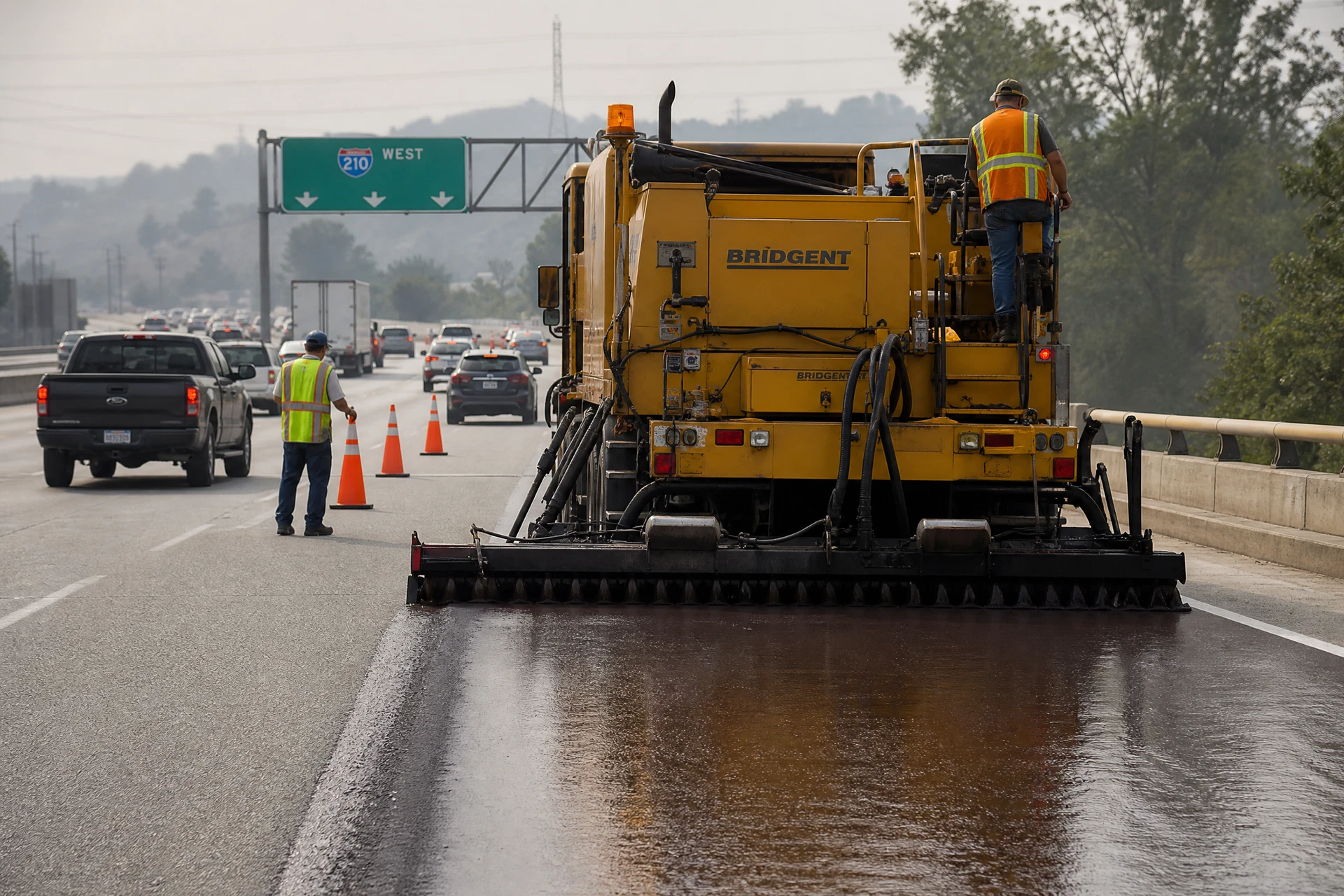
Micro-surfacing is a cold-mix paving technology widely adopted for preserving and extending the life of asphalt pavements. Its effectiveness hinges significantly on the quality and consistency of its constituent materials, with aggregate gradation being a paramount factor. An aggregate screening plant micro-surfacing operation must deliver precisely sized aggregates to ensure the desired performance characteristics of the final pavement.
The Critical Role of Aggregate Gradation in Micro-Surfacing
Micro-surfacing mixtures are designed to be dense, stable, and durable, providing a skid-resistant surface and sealing minor cracks. Achieving these properties relies heavily on the interlocking of aggregate particles, which is directly controlled by their size distribution, or gradation. Incorrect gradation can lead to a host of problems, including:
* Poor Stability: Gaps in the aggregate matrix can reduce internal friction, leading to rutting and shoving under traffic. * Excessive Bleeding: Too many fines or an imbalance in particle sizes can cause asphalt emulsion to migrate to the surface, resulting in a slippery finish. * Premature Raveling: A lack of proper aggregate interlock can lead to the dislodgement of particles, reducing the service life of the treatment. * Inconsistent Texture: Variations in aggregate size distribution across the pavement can result in an uneven surface texture, affecting skid resistance and aesthetics.
Therefore, meticulous control over aggregate gradation is not merely a recommendation but a fundamental requirement for successful micro-surfacing projects.
Type II vs. Type III Gradation Specifications
Micro-surfacing aggregates are typically specified according to industry standards such as those set by the International Slurry Surfacing Association (ISSA). The most common gradations are Type II and Type III, each designed for specific applications and traffic conditions.
Type II Gradation
* Particle Size: Generally finer, with a maximum aggregate size of around 4.75 mm (No. 4 sieve). * Application: Best suited for moderate to heavy traffic volumes, urban streets, and as a preventive maintenance treatment on relatively sound pavements. It provides a dense, smooth surface with good skid resistance. * Typical Sieve Analysis (ISSA A105 Type II): * 100% passing 9.5 mm (3/8 in.) * 90-100% passing 4.75 mm (No. 4) * 65-90% passing 2.36 mm (No. 8) * 45-75% passing 1.18 mm (No. 16) * 30-50% passing 600 µm (No. 30) * 18-30% passing 300 µm (No. 50) * 10-20% passing 150 µm (No. 100) * 5-15% passing 75 µm (No. 200)
Type III Gradation
* Particle Size: Coarser than Type II, with a maximum aggregate size typically around 9.5 mm (3/8 in.). * Application: Ideal for high-traffic roadways, highways, and as a corrective treatment for pavements with moderate rutting (up to 20 mm). It offers enhanced rut-filling capabilities and a more open texture for improved skid resistance. * Typical Sieve Analysis (ISSA A105 Type III): * 100% passing 12.5 mm (1/2 in.) * 90-100% passing 9.5 mm (3/8 in.) * 70-90% passing 4.75 mm (No. 4) * 50-70% passing 2.36 mm (No. 8) * 35-50% passing 1.18 mm (No. 16) * 20-35% passing 600 µm (No. 30) * 10-20% passing 300 µm (No. 50) * 5-15% passing 150 µm (No. 100) * 3-10% passing 75 µm (No. 200)
Meeting these precise specifications requires an efficient and accurate aggregate screening plant micro-surfacing system.
Selecting the Optimal Aggregate Screening Plant
The choice of an aggregate screening plant for micro-surfacing projects depends on several factors, including project scale, site logistics, required output capacity, and budget. The primary options are mobile and stationary screening plants.
Mobile vs. Stationary Screening Plants
| Feature | Mobile Screening Plants | Stationary Screening Plants | | :------------------ | :----------------------------------------------------- | :-------------------------------------------------------- | | Portability | High; easily moved between job sites. | Low; fixed installation, suitable for long-term operations. | | Setup Time | Quick setup and dismantling. | Longer installation and commissioning time. | | Flexibility | Excellent for projects with varying locations. | Less flexible, but can be highly customized. | | Capacity | Typically lower to medium capacity (50-300 TPH). | High capacity (200-1000+ TPH), continuous operation. | | Cost | Higher initial cost, lower relocation costs. | Lower initial cost, higher installation/dismantling costs. | | Footprint | Smaller footprint, ideal for confined spaces. | Larger footprint, requires dedicated space. | | Power Source | Often self-powered (diesel) or electric. | Primarily electric, requiring stable power supply. |
For micro-surfacing projects, which often involve multiple, geographically dispersed sites, mobile screening plants are frequently preferred due to their flexibility and rapid deployment. However, for large-scale, long-duration projects or dedicated aggregate production facilities, stationary plants offer superior efficiency and lower operational costs.
Output Capacity Requirements
The required output capacity of an aggregate screening plant micro-surfacing system is directly linked to the paving operation's demand. Micro-surfacing pavers typically operate at rates ranging from 50 to 200 tons per hour (TPH), depending on the application thickness and width. The screening plant must be capable of consistently supplying aggregates at or above this rate to avoid bottlenecks and ensure continuous paving.
When sizing a screening plant, consider:
* Paver Production Rate: Match or exceed the maximum production rate of the micro-surfacing paver. * Surge Capacity: Include a buffer for unexpected delays or increased demand. Stockpiling capabilities are crucial. * Aggregate Source: The quality and consistency of the raw aggregate feed will influence screening efficiency. * Screening Efficiency: Account for potential losses or inefficiencies in the screening process.
For instance, if a micro-surfacing paver operates at 150 TPH, an aggregate screening plant micro-surfacing system with a consistent output of 180-200 TPH would provide an adequate margin.
Integrating Screening with the Paving Operation
Seamless integration of the aggregate screening plant with the micro-surfacing paving operation is vital for maximizing efficiency and maintaining material quality. This involves careful planning of material flow, logistics, and quality control.
Material Flow and Logistics
Aggregates typically undergo several stages:
1. Raw Material Delivery: Aggregates are delivered to the site or quarry. 2. Primary Crushing (if needed): Reduces larger rocks to manageable sizes. 3. Secondary/Tertiary Crushing (if needed): Further reduces size and shapes aggregates. 4. Washing (if needed): Removes deleterious materials and ensures cleanliness. 5. Screening: The aggregate screening plant precisely sizes the material according to Type II or Type III specifications. 6. Stockpiling: Screened aggregates are stockpiled, often in covered bays to prevent contamination and moisture absorption. 7. Delivery to Paver: Aggregates are transported from stockpiles to the micro-surfacing paver's hopper.
Effective logistics minimize re-handling and contamination. For example, using conveyor systems from the screening plant directly to covered stockpiles, and then to the paver, can significantly improve efficiency. Companies like Bridgent Technology offer integrated solutions that streamline this entire process, from crushing to final screening, ensuring a consistent supply of high-quality aggregates.
Quality Control and Testing
Rigorous quality control is essential at every stage. Regular sieve analysis of screened aggregates must be performed to verify compliance with Type II or Type III specifications. This includes:
* Pre-production Testing: Initial testing of aggregate sources to confirm suitability. * Daily Production Testing: Routine checks during screening operations to monitor consistency. * Field Verification: Sampling aggregates at the paver to ensure no segregation or contamination has occurred during transport.
Adjustments to the screening plant, such as screen mesh changes or vibration settings, may be necessary based on these test results. Bridgent's advanced screening equipment often includes features for easy screen changes and precise control over vibration, facilitating rapid adjustments to maintain specification compliance.
Key Takeaways
Achieving high-quality micro-surfacing pavements is inextricably linked to precise aggregate gradation. Understanding the distinct requirements of Type II and Type III gradations is crucial for project success. The selection of an appropriate aggregate screening plant, whether mobile for flexibility or stationary for high capacity, must align with project scale and operational demands. Furthermore, integrating the screening process seamlessly with paving operations through efficient material flow and stringent quality control measures ensures the consistent delivery of specification-compliant aggregates. By prioritizing these technical considerations, road engineers and procurement managers can significantly enhance the performance and longevity of their micro-surfacing investments.
Discuss Your Project
Contact Bridgent for equipment specifications and a project-specific quotation.