Technical Guide · 2024-07-25 · 6 min read
Aggregate pre-coating is a technique used in slurry seal and micro-surfacing applications to improve the bonding between aggregate particles and the asphalt emulsion binder. By applying a thin layer of binder to the aggregate surface before mixing, pre-coating overcomes the natural tendency of some aggregates to repel asphalt, resulting in stronger, more durable slurry seal layers.
Why Some Aggregates Need Pre-Coating
Aggregate surface chemistry plays a critical role in asphalt bonding. Aggregates can be classified as:
Hydrophilic (water-attracting): These aggregates have a natural affinity for water and tend to repel asphalt. Examples include limestone, dolomite, and some granite types.
Hydrophobic (water-repelling): These aggregates have a natural affinity for asphalt and bond well without pre-coating. Examples include basalt and some quartzite types.
When hydrophilic aggregate is mixed with emulsified asphalt in slurry seal, the water in the emulsion competes with the asphalt for the aggregate surface. If the water wins this competition, the asphalt does not bond properly to the aggregate, resulting in:
- Weak aggregate-asphalt bond
- Premature aggregate loss (raveling)
- Reduced skid resistance
- Shortened service life
Pre-coating overcomes this problem by applying a thin layer of binder to the aggregate before mixing, displacing the water and ensuring a strong aggregate-asphalt bond.
The Pre-Coating Process
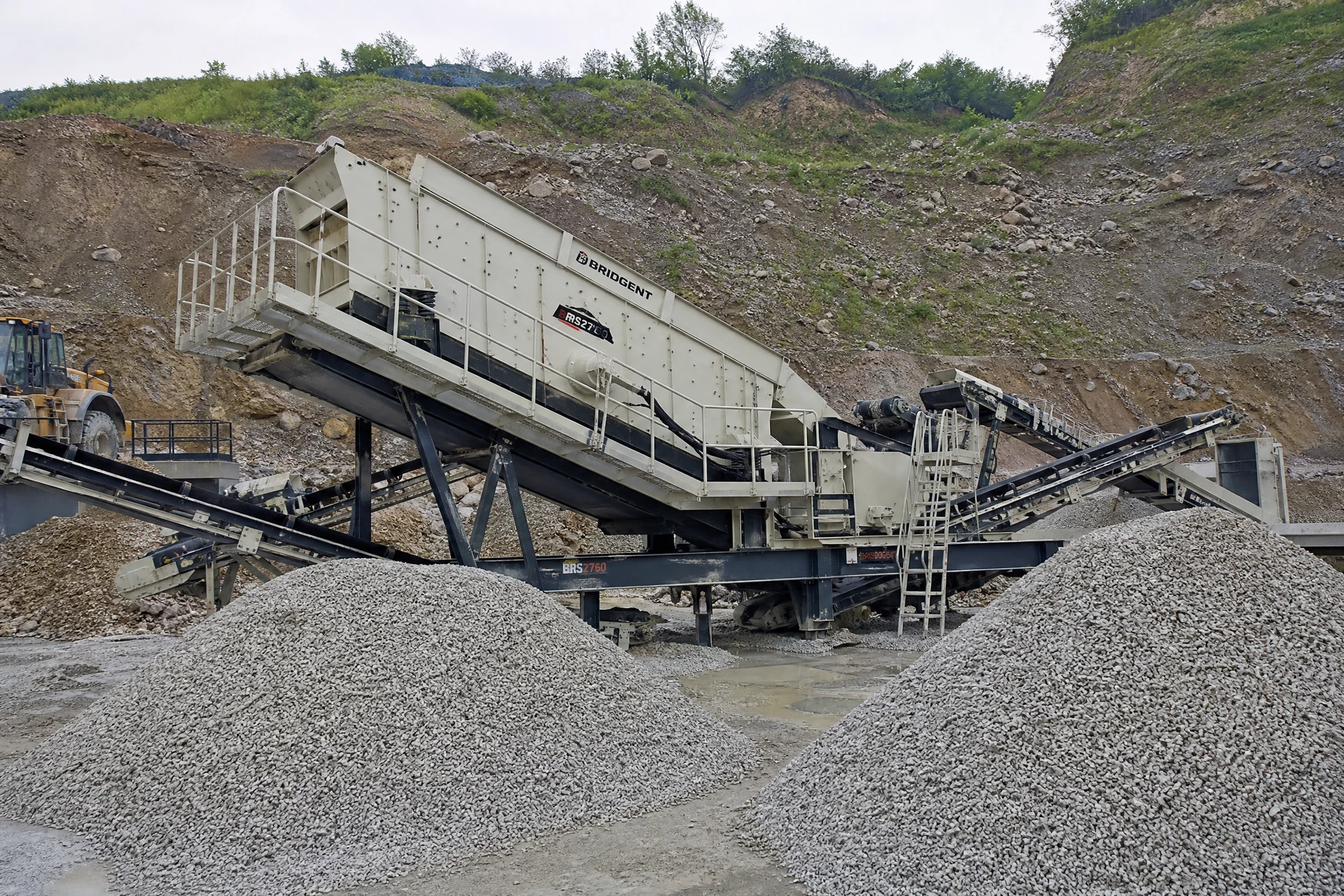
Pre-coating is performed using an aggregate screening and mixing machine that combines aggregate screening with binder pre-mixing in a single operation:
1. Screening: The aggregate is screened to remove oversized particles 2. Binder addition: A diluted emulsified asphalt or specialized aggregate coating agent is added to the screened aggregate 3. Mixing: The aggregate and binder are mixed to coat the aggregate surface uniformly 4. Output: The pre-coated aggregate is discharged to the micro-surfacing paver's aggregate bin
The binder content for pre-coating is typically 0.5–1.5% by weight of aggregate, which is much less than the binder content in the final slurry mix.
Performance Benefits
Pre-coating provides several performance benefits:
- Improved aggregate-asphalt bonding: The pre-coated aggregate bonds more strongly with the asphalt emulsion in the slurry mix
- Reduced aggregate loss: Better bonding reduces the risk of aggregate raveling
- Improved skid resistance retention: Better bonding maintains surface texture under traffic
- Longer service life: Improved bonding translates into longer treatment service life
Field studies have shown that pre-coated aggregate slurry seal can have 20–30% better aggregate retention at 1 year compared to non-pre-coated aggregate.
When to Use Pre-Coating
Pre-coating is most beneficial when:
- Using hydrophilic aggregate (limestone, dolomite)
- Working in wet or humid conditions
- Applying slurry seal in cold weather (when emulsion breaking is slower)
- Requiring maximum performance and service life
For hydrophobic aggregate in good conditions, pre-coating may not be necessary, but it is always beneficial.
Equipment
The Bridgent BDG-ASMM Aggregate Screening and Mixing Machine is specifically designed for aggregate pre-coating. It combines a double-layer vibrating screen for precise gradation control with a binder pre-mixing chamber for uniform aggregate coating, all in a compact, mobile package.
Discuss Your Project
Contact Bridgent for equipment specifications and a project-specific quotation.
Topics
- aggregate pre-coating
- slurry seal quality
- aggregate-asphalt bonding